New York: King Arthur’s Steakhouse & Brewery, Oswego

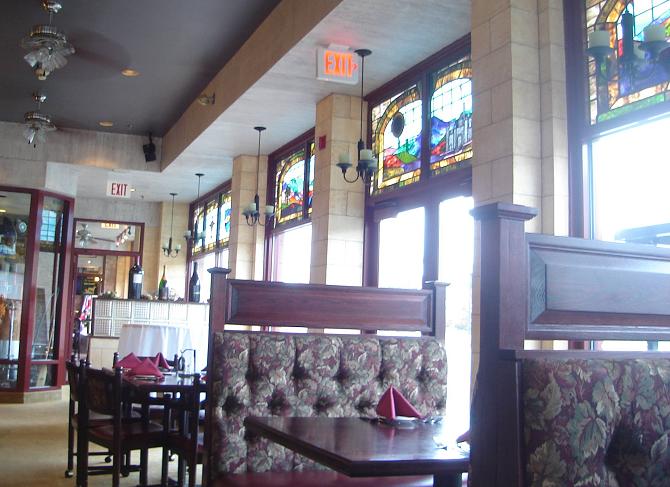
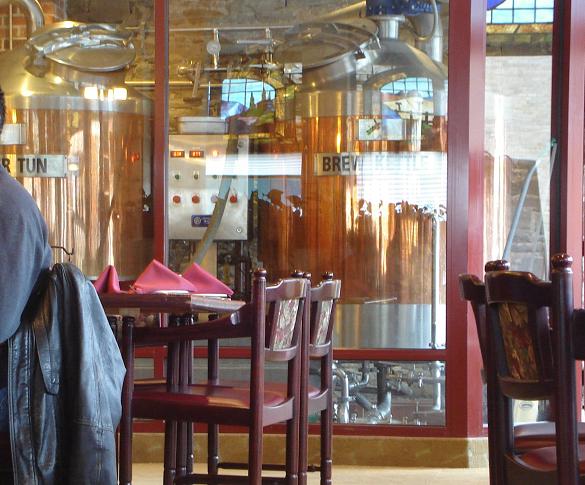
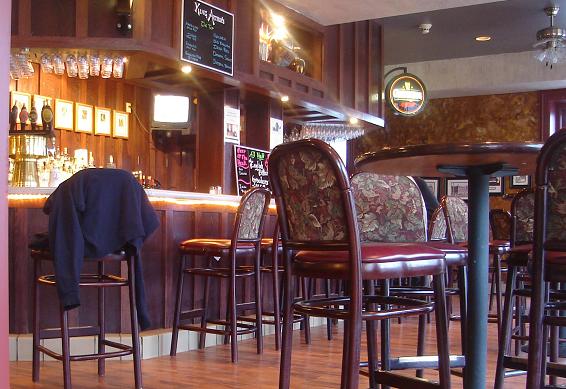
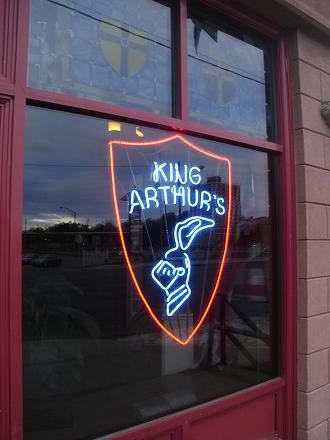
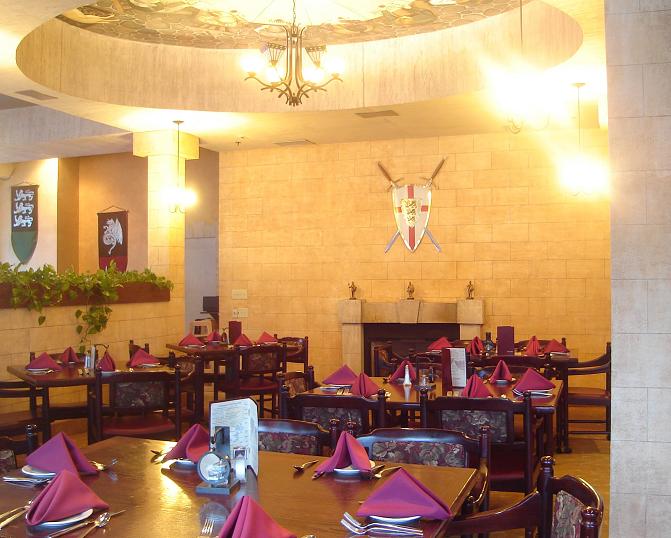
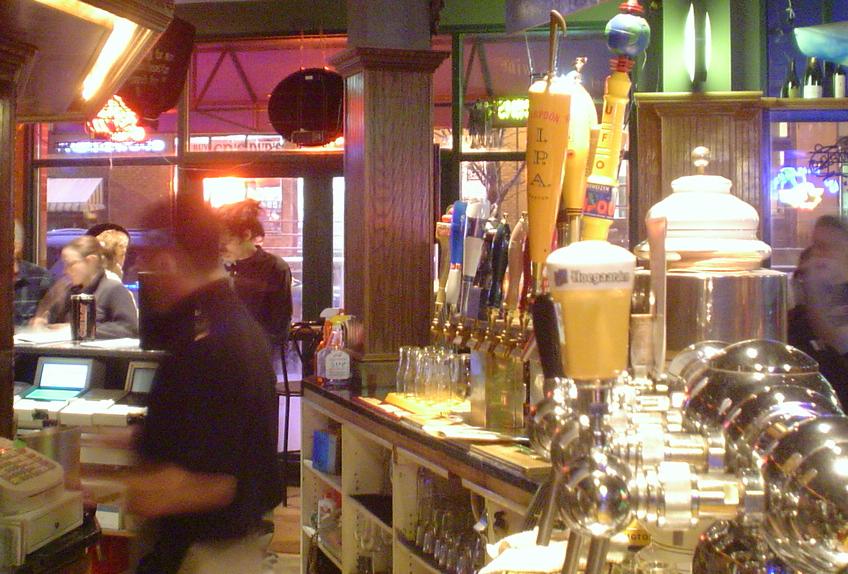
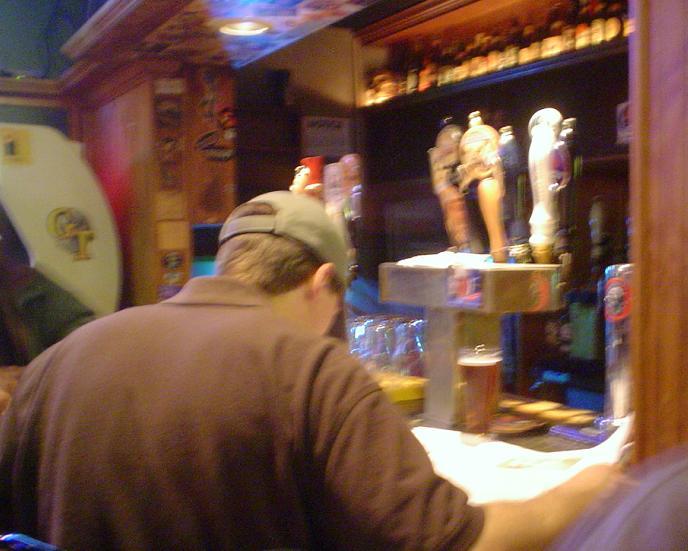
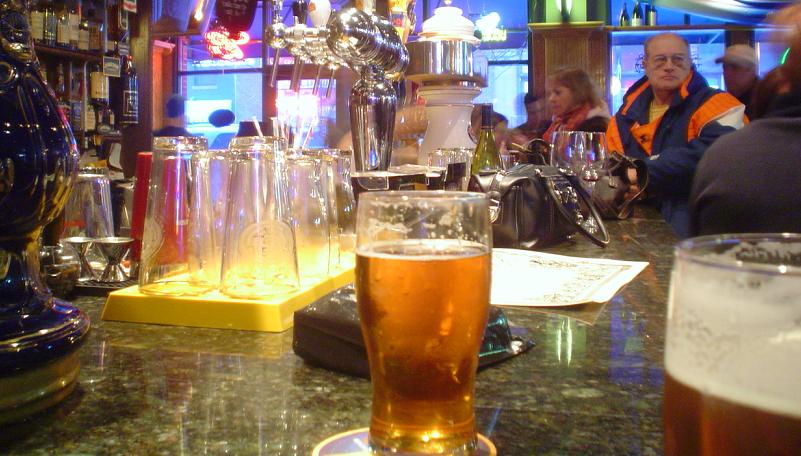
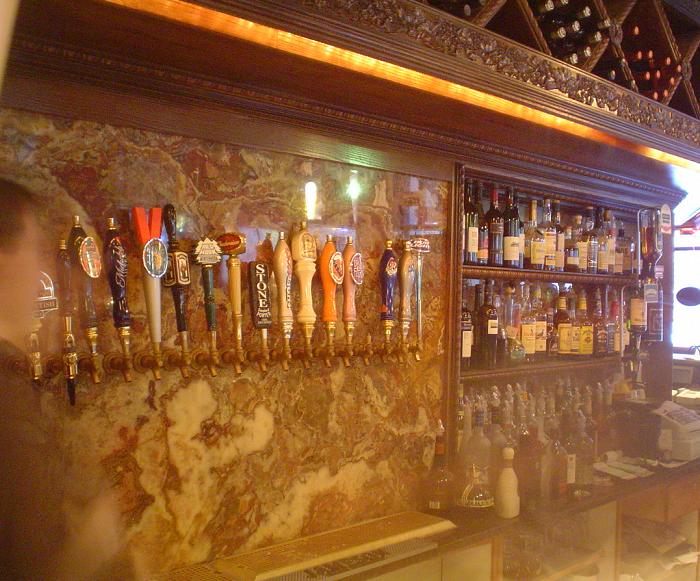
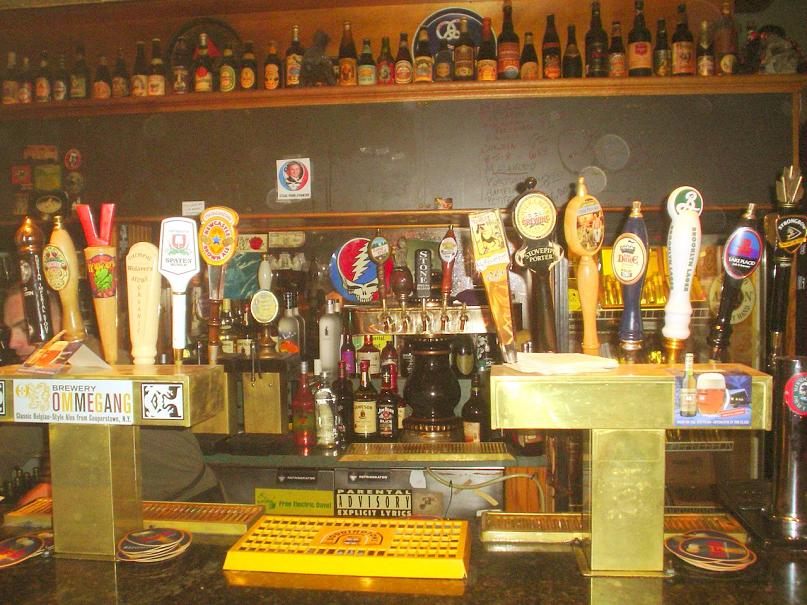
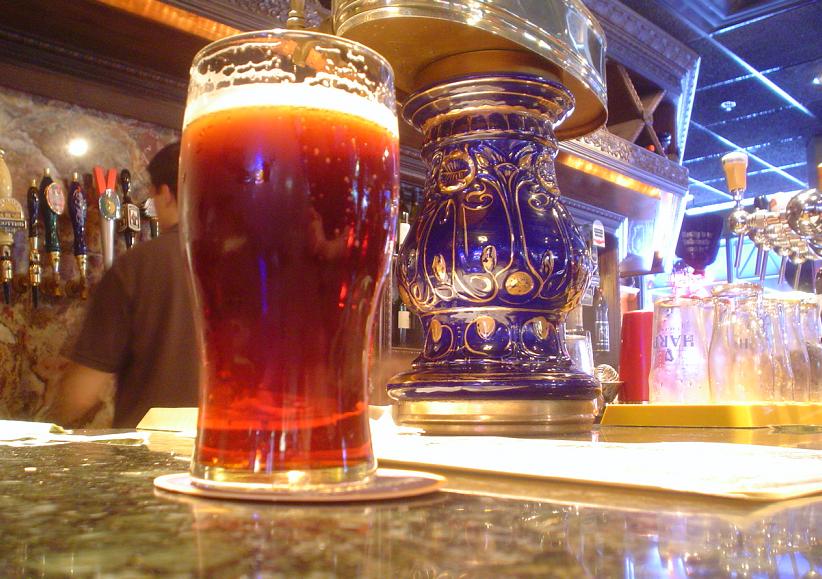
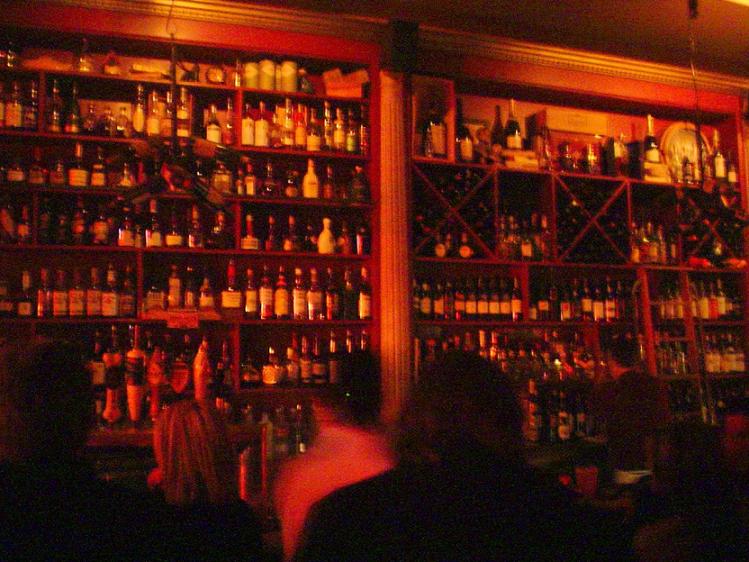
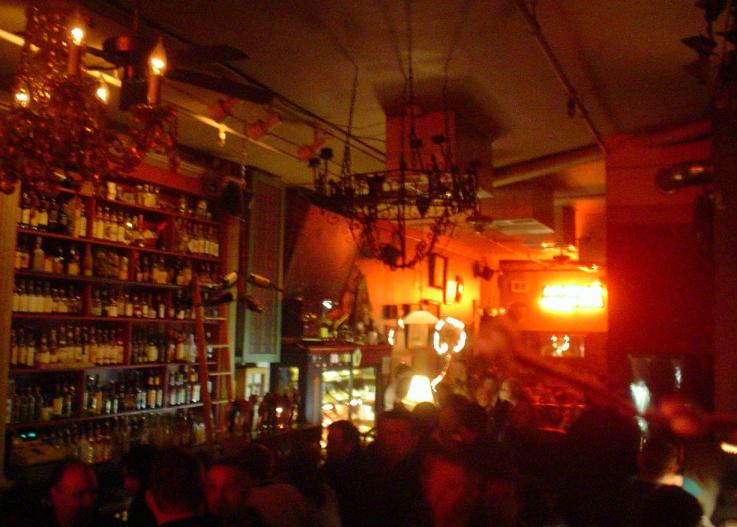
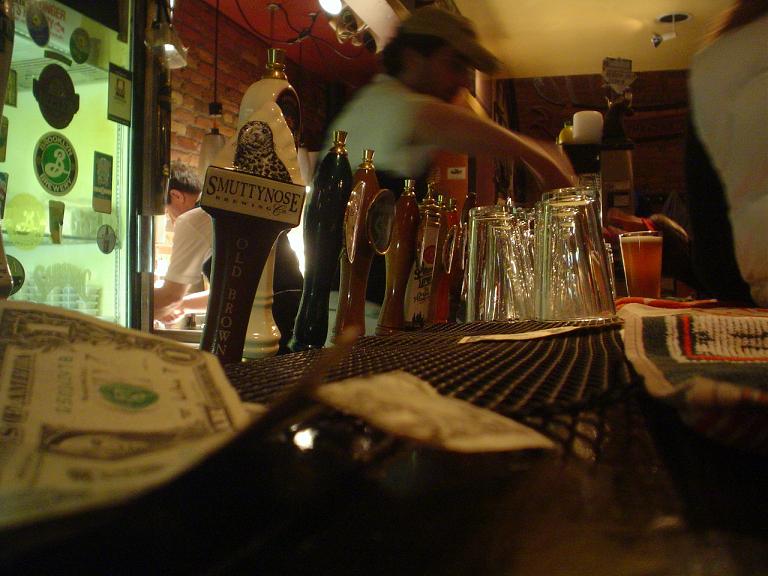
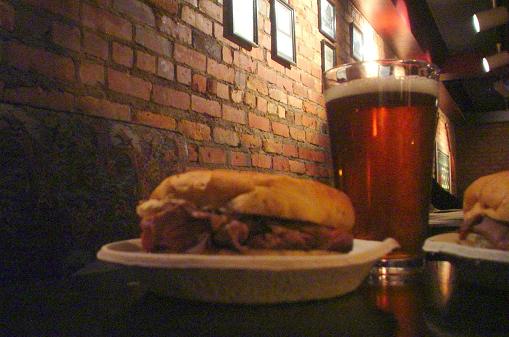
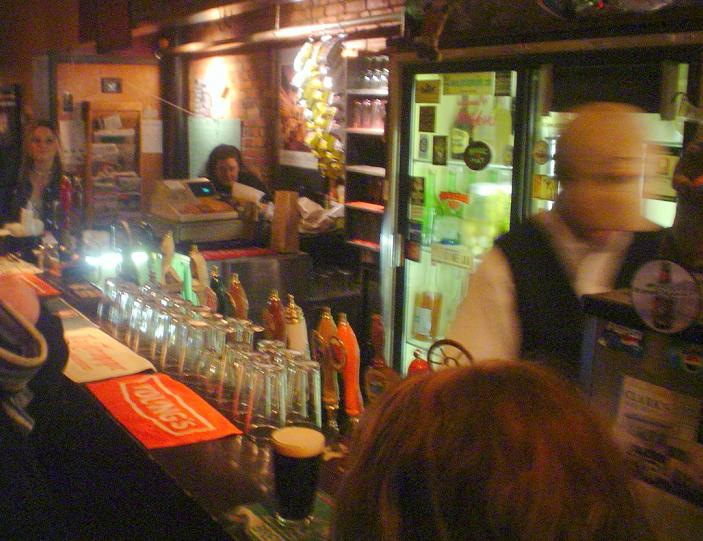
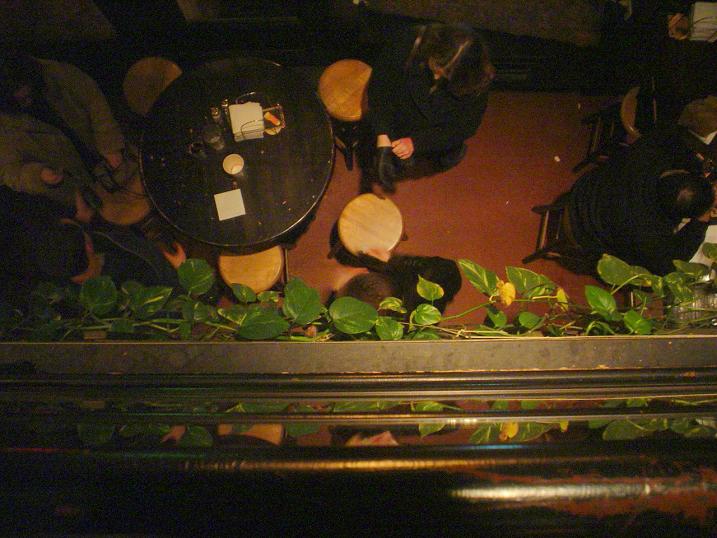
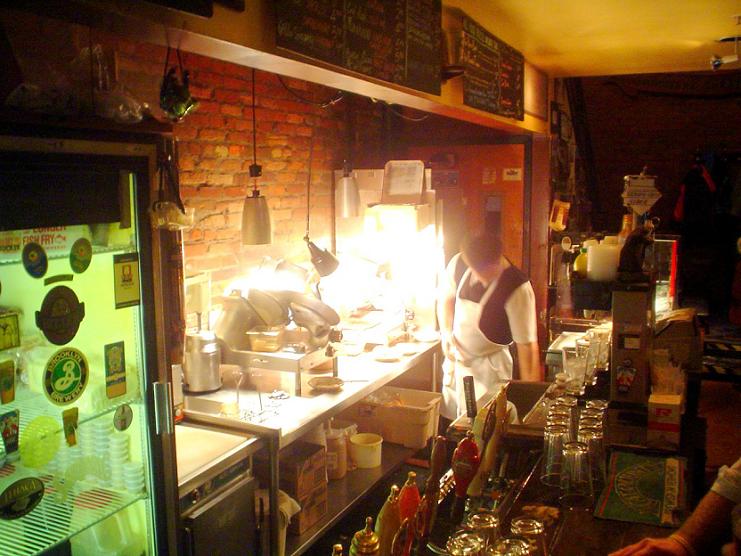
While across the way on the weekend we had dinner at King Arthur’s Steakhouse and Brewery in Oswego, New York and we were very glad we did. I had a little problem with the camera but I expect that you get a sense of the place from these photos. The building is quite impressive and is on one of the main corners downtown in this small city of 18,000 or so on Lake Ontario. The dining area is split into two, a bar and a restaurant. The site also has conference rooms on the second floor as well as suites for overnight on the third.


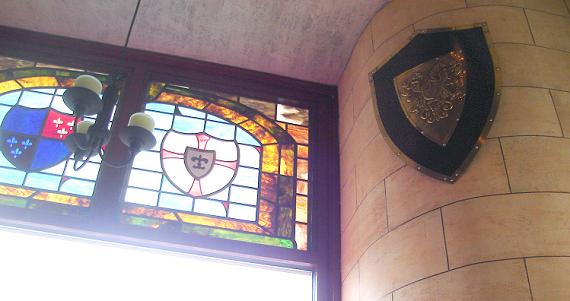
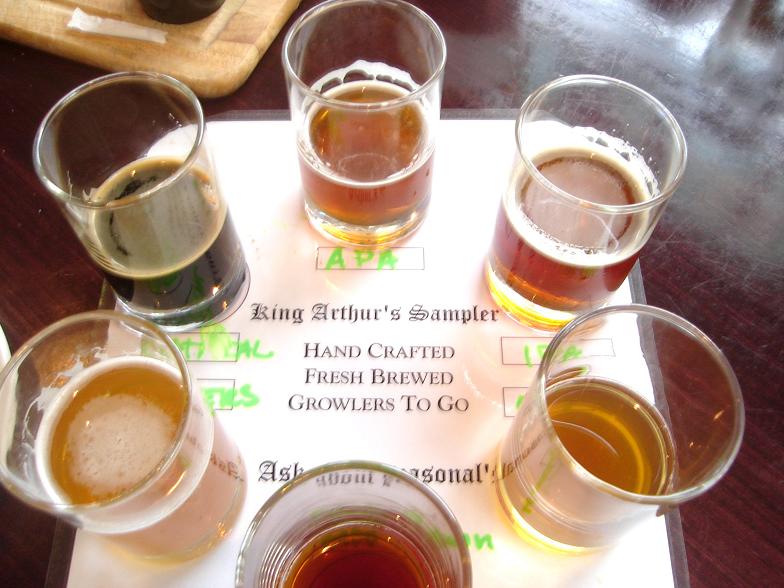
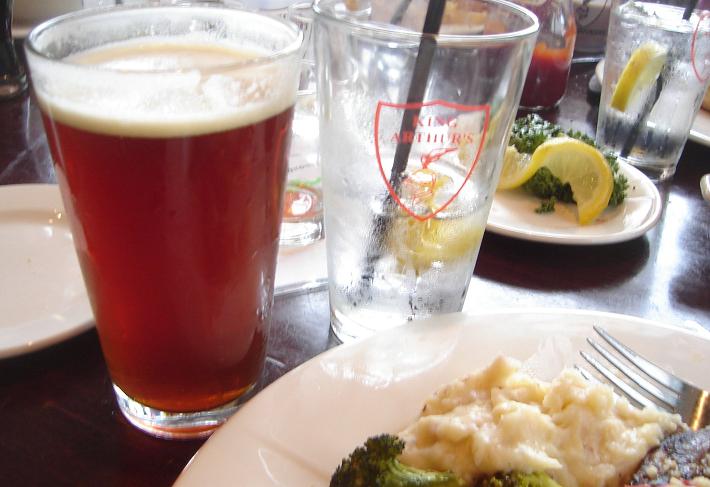
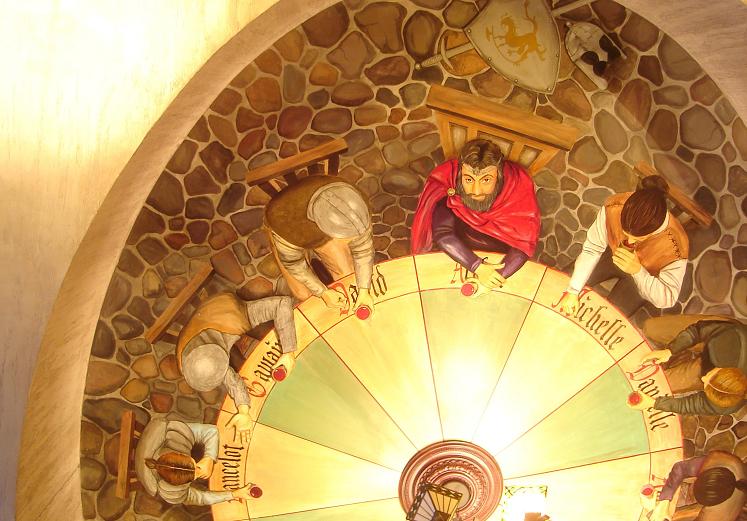
We sat in the restaurant side and found the place very kid friendly – important when you have a five and a six. Mac and cheese and other friendly food kept them happy for a while allowing we parents to enjoy ourselves. I tried a six sip sampler before dinner and had their IPA with a steak. Across the table, a shepherd’s pie was partnered with an Oatmeal Stout. Also, I am happy to report that the medieval theme was fairly tastefully done. It is not like the wait staff have to dress like court jesters or anything, it avoids Monty Python references and the mural of the Knights of the Round Table sits up in a recessed part of the ceiling. The bright gleaming brew equipment – made in Canada by the way – gets much more prominent place of pride.


Lew Bryson, in his book New York Breweries, does not cover the spot as it came into being after his first edition came out – but he does provide notes from his visits over the last couple of years at his websites’ updates page for New York:

Opened in the Buckout-Jones building (1st & Bridge Sts., Oswego, right by the river), site of a former brewery (Buckout). Strongly medieval in theming. Visited 8/12/03: not good news, I’m afraid. Very cool place, great location, but two were horrible, others mostly flawed, one good one. A new brewer had just been hired, I’m hoping for the best.

12/19/04 Update: Just saw on Pubcrawler that former Empire Syracuse brewer Andy Gersten is brewing at King Arthur’s. This is great news for both the pub and Andy; glad to see him working and them getting his excellent beers!

4/22/05: Andy Gersten has moved on to Sackets Harbor (excellent news for them), will be replaced by former Flour City (and Empire Rochester) brewer Greg Smith.

The beer was excellent. Earlier in the afternoon, I had taken a long drink of Oswego water and thought how good it was, soft and likely drawn from the lake. The beer had that quality as well. I scribbled some notes from the sampler. The brown as lighter on hops than most US browns, had a nice medium body with some chocolate notes. The APA was malty with some crystal sweetness and good green hops. The IPA was higher test with lots of fresh green hops and loads of fruity malt. It went really well with a blue cheese toped Delmonico with garlic mash totties – which is something of a testamony to its size. The oatmeal stout was thick espresso mocha with a rich creamy yeast. It could take on a scoop of Hagan Daz vanilla as a float. I thought the Old English did not have any noticeable stale or soured quality that should be part of the style and, yet, the Bitter was a light green English hopped clean sip. Drinky drama trying to think it all through.


All in all, despite the shifting brewmasters over the last two years that Lew notes, I think they have achieved quality. The ingredients are clearly first rate and the choice of yeast is particularly well suited to the local water – something not often achieved by many good brewers wanting to copy a style rather than express what is local. Two litre growlers were available for take-away. We refrained but if I was passing though, I would definitely pop in for one of the IPA and another of the Oatmeal Stout.


New York: Ubu Ale, Lake Placid CBC, Plattsburg

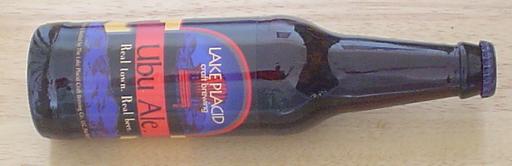
This ale is the partner to Lake Placid’s 46’er reviewed last month. It is a fine ale but hard to pin-point for style. At 7%, it is like a low-hopped strong US brown or even a weak Belgian dark strong beer. At its heart it is a big malty brew with some definite notes of chocolate and even a bit of a plum note in the middle. Dandy. $7.99 US or so at upstate NY grocery stores for a six.

Garbage Plate Law

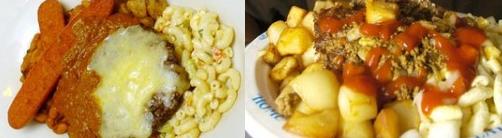
Linda has the details over the treats of law suits over these two meals. Can you tell which is the authentic garbage plate and which is the tony phony?

Lew Bryson has a great description of the garbage plate in his seminal text New York Breweries at page 156:

Hot dogs are one of the “meat” possibilities for a classic Rochester “garbage plate (or “rubbish plate,” to use the upstate cant). The garbage plate is a late-night apres-bar favorite in Rocehster and originated at Nick Tahou Hots (320 West Main, 315-436-0184). The original Nick’s is no longer open late, but there’s another Nick’s that is, at 2260 Lyell Avenue (315-429-6388). To build a garbage plate, first take a paper plate. Layer home fries, macaroni sald, and a meat (chicken, burger, or hot dogs) on it and then cover everything with Greek sauce and chopped onions: you can add baked beans to it as well. Most people then slather the whole mess with about half a bottle of ketchup and plenty of hot sauce. You can see how it got its name.

My only quibble with my guide to all things US north-eastern and snacky (and ale-ish) is that the idea of one meat appears to have be thrown out from the above photos.

Denmark, New York

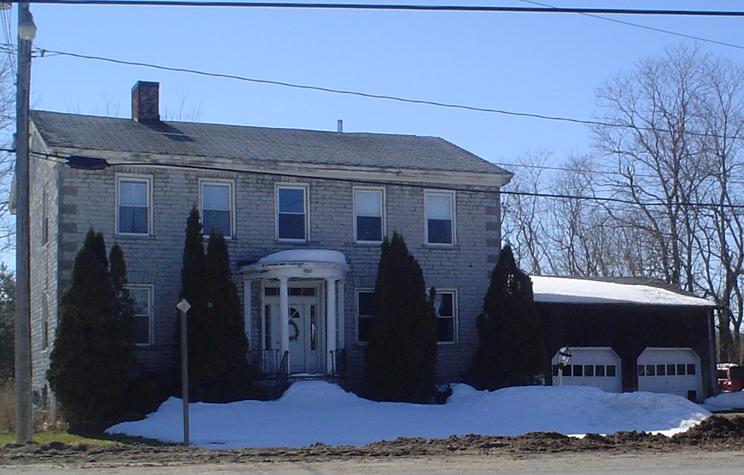
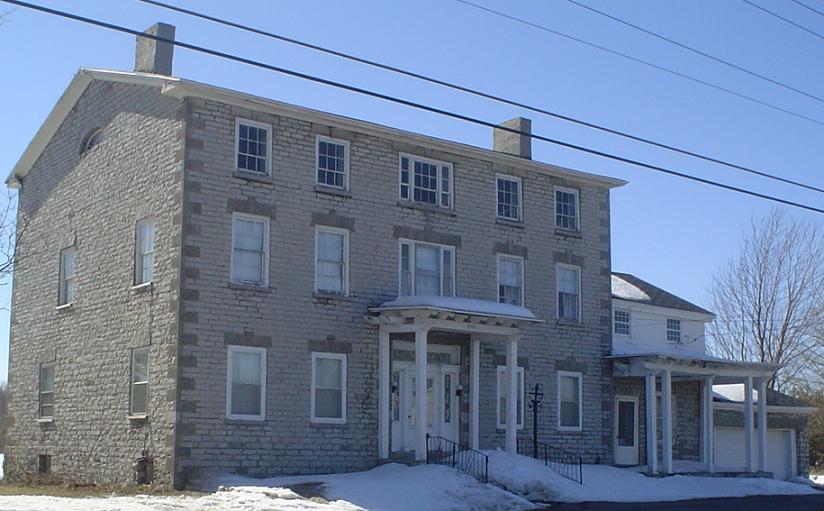
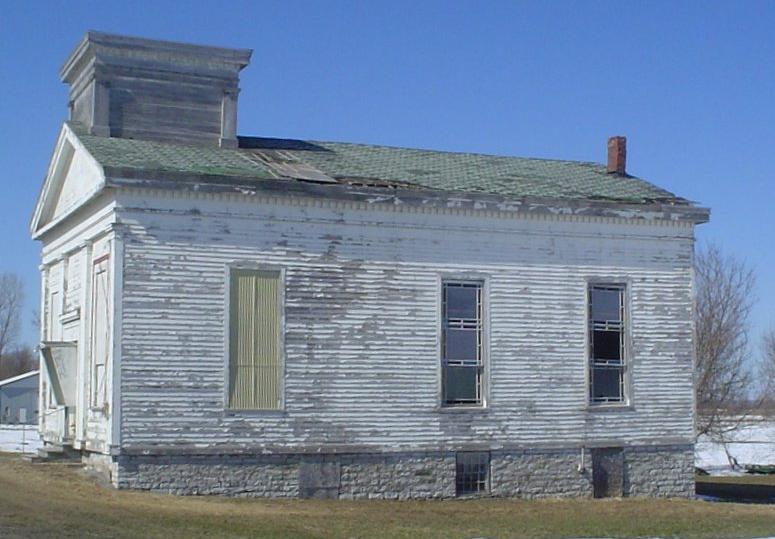
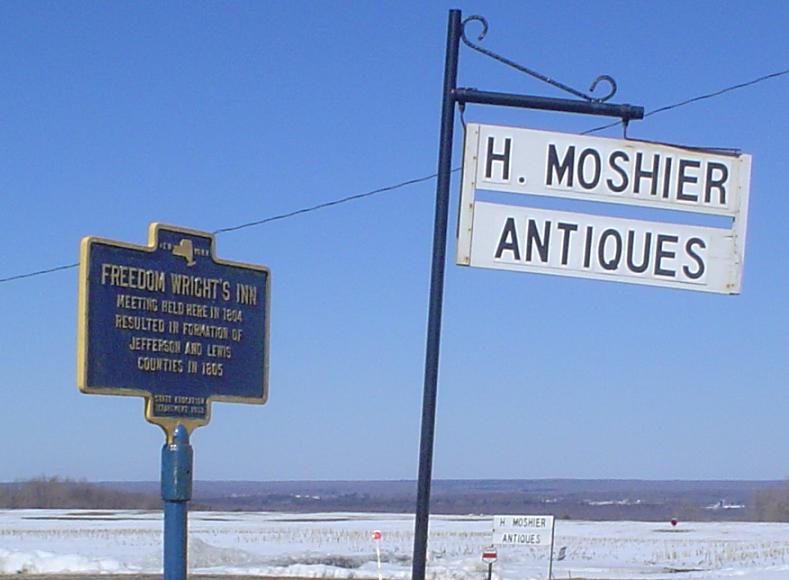
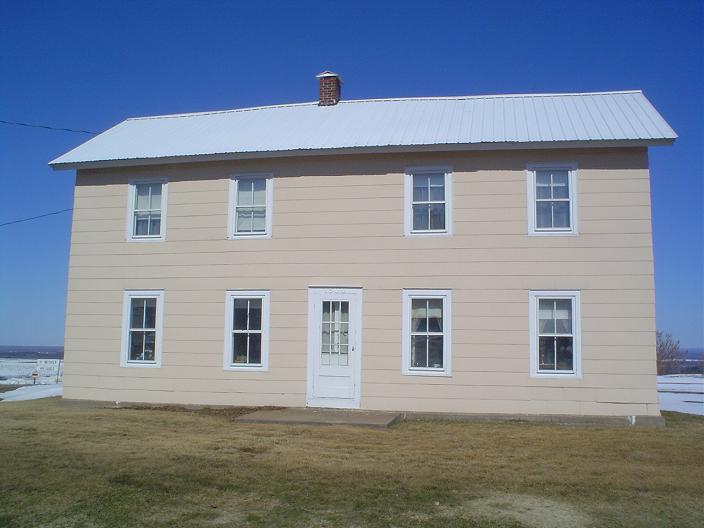
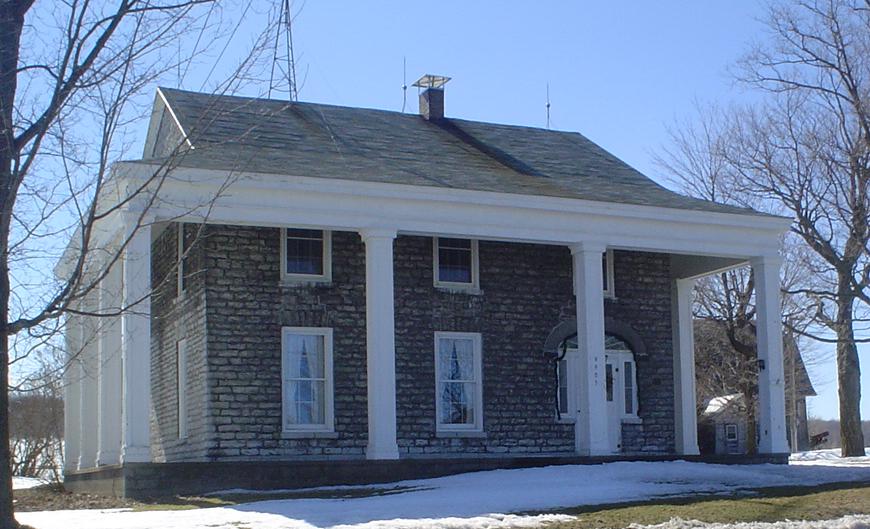
There are places you hit the brakes. It can be a view but more often than not it is the question of what the heck was going on here. As you can see from these pictures, there are three great stone houses in a row on a rather quite back country road in Lewis County New York. The afternoon shadow across their fronts confirm their eastern orientation facing across the valley. But why, away from a river where mills could develop, did this small hamlet have such a grand life almost 200 years ago. The sign next to the pink sided Freedom Wright’s Inn gives some indication of the importance of the place at one time, as does the solid but closed up church.


The first occupation by Europeans of the area comes relatively late or so sayeth the 1927 The History of New York State (pub., Lewis Historical Publishing Company, Inc.):

The settlement of the northern section of New York was greatly delayed by the ignorance concerning it. Old maps of the section named it Irocoicia. “The Land of the Iroquois,” or Coughsagraga, “The Dismal Wilderness.” Travelers who skirted the edges said it was a region of swamps and mountain barrens. Sauthier’s map, published in England in 1777 and supposed to be the beat and latest in its information, mentions it as “This marshy tract is full of beavers and otters.” There is no map earlier than 1795 that shows a trace of the Black River. Soldiers, possibly those of Sullivan’s expedition, knew something of the territory. But it is in no way surprising that when offers were made to the land commissioners of New York for these supposed waste barrens, that they should be accepted readily, and the land sold for mere pittances and on the easiest of terms. One of the many sales, and the, was that to Macomb. On June 22, 1791, Alexander Macomb made an offer for certain lands, the payment to be one-sixth part of the purchase price yearly until the account was complete, no interest to be charged. The price offered was eight pence an acre. Macomb secured net 3,670,715 acres, divided into six great tracts. The one numbered four included the larger part of the counties of Jefferson and Lewis. Macomb conveyed this tract, with others, to William constable, and he in turn part to others sop that the deeds to Lewis County are traced back to nine great tracts known as: Black River, Inmans’ Triangle, Constable’s Four Towns, Brantingham, Brown’s, Watson’s, Castorland, and Great Tract Number Four.

Early settlers included Bedells and many others. Denmark was the first township to be constituted in 1807 after the founding of the county two years before. Someone of local legal note – who attened Denmark Academy and who studied law… in Lowville – was born there in 1825 as was an Iowa banker in 1833 as well as a Mayor of Ottawa. It wasn’t until about 40 years after its founding that the now larger towns formed in the valley below:

In 1848, the towns of Croghan and New Bremen were formed by French, German, and Swiss immigrants.

These towns were likely created as part of the development of the Black River canal, an unprofitable spur off the Erie, which opened in 1855. Denmark was on one branch of the underground railroad, moving slaves from the US south to Canada. A golf club formed in 1925.

New York: 46’er Pale Ale, Lake Placid Craft Brewing, Plattsburg

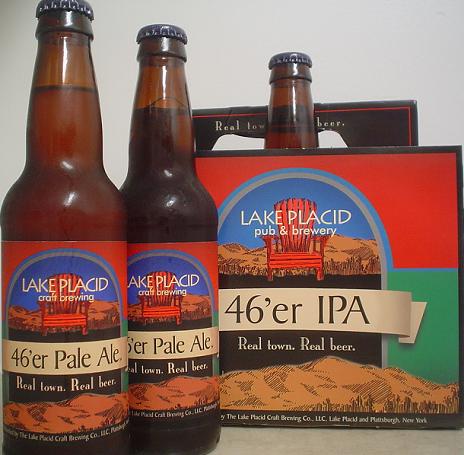
I bought at six of this  in Hannaford’s grocery store in Watertown, New York for $7.99. Customsman let it go. Declared but he no cared. It would be sweeter for that bonus but could it be? I really like this brew. Medium body. Lots of green hops almost to the point there is a green pea, mint and orange peel thing happening. Under that some crystal malt sweet and nice grainy pale malt. Some pear juice among the grain in the finish. Quality from the north country and just over the border. More as I think about it. Top cap design.

The next day: Lake Placid Craft Bewing is not in Lake Placid though it used to be. The brewery explains:

Founded in 1996, The Lake Placid Pub & Brewery began as a small brewpub, brewing less than 400 barrels each year for sale on site. Our great-tasting, fresh beer quickly grew in popularity and requests for our products poured in from area restaurant and bar owners. Production increased exponentially to keep up with demand, and we sold every last drop of beer we produced. In November 2001, the LPP&B; expanded to a second brewing facility in Plattsburgh, New York, known as The Lake Placid Craft Brewing Company, quadrupling our brewing capacity and adding bottles to our product lineup.

That is a success of scale and smart growth – and when it is on the Hannaford’s in Watertown shelf 200 miles west as well as on tap at the Blue Tusk (look far right) 350 miles south west, Lake Placid is making a mark for itself. They are smart, too, in keeping it to two bottlings this pale ale and the heavier, maltier Ubu ale which I brought back way back last spring. Just so you know, the pale ale comes in at 6% with the Ubu at 7%. My man Lew Bryson tells me they have a milk stout on tap at the brew pub as well as an even hoppier Frostbite Pale Ale. He also says:

A “46’er” is someone who’s climbed all forty-six “high peaks” of the Adirondacks..

I really do not understand the experience of the lower end of the beer advocate scale. Maybe they all had shelf stung bottles. Mine are definately fresh and displaying nothing other than loveliness. I would like to do a side by side with some Southern Tier IPA, maybe a Ithaca Flower Power and even a Syracuse Pale Ale to get some sense of the Lake Erie, Finger Lakes to Lake Champlain brewing arcing axis and what it all means.

The Blue Tusk, Syracuse, New York

The last of what Lew Bryson has called “the triumvirate” of Syracuse’s temples to ale, the Blue Tusk, was my favorite for the mood of the day. Much Middle Ages on tap as well as Stone and Victory and even Blue Lite for who knows why. Loud and chatty, we walked in and immediately got into a two and a half hour conversation about Canadian and American differences with a couple of chemical engineers who were regulars. SU had just won a basketball game at the Dome and the place and the streets were loaded with fully grown men dressed in orange. The staff were happy to please and, though busy, a pleasure. One thing I liked is that the place smelled like beer. Not fried food and not smoke.


The real surprise of the night was the Syracuse Pale Ale on tap, a revelation of simplicity and quality over complexity and gimmick. If I had one beef it was the understocking of lower alcohol styles. There are some great milds and ordinary bitters out there and, unless you are aiming at getting plastered, a session of 8% to 10% beers is a bit much. Even with that being said, as with Clark’s, the Blue Tusk is all about the quality and handling of real ale but with the hubbub that you sometimes want with your brew.

Awful Al’s, Syracuse, New York

Never was a beer from Stone so appropriate…
 

We only stopped in Awful Al’s briefly when walking between Clark’s and the Blue Tusk. Two reasons. I was told to stop taking photos and it is a reminder of how great the anti-smoking laws are for the consumption of fine beers. It is, however, the dimmest lit bar I think I have ever been in and as a result the doctored photos give you the sense of the place as cross between photographer’s dark room, a 1970s era Soviet submarine and a very merry upper level of Hell.

One kind correspondent, Jim of Maltblog, has written me:

Awful Al’s is the place to go for whiskeys and bottled beers. They have a very good selection and a hip atmosphere and clientele. It’s a bit of a meat market, so be warned – it can be very crowded and is filled with the yuppies that you didn’t find at Clark’s. But if you are looking for a dram of Balvenie PortWood or a Laphroaig, this is your place. It’s also the only place I know of in Syracuse that have a waiver from the smoking ban in bars and restaurants – it’s very smoky as a result.

Very smoky as the streets by dark industrial mills at midnight in 1840 were smoky. The ever excellent Lew Bryson is warmer to this particular flame to the moth in his ever informing book New York Breweries (1st ed, p. 205):

…walk over to Awful Al’s Whiskey and Cigar Bar (321 South Clinton Street, 315-472-4427), across from the Suds Factory and lose yourself in contemplation of hundreds of bottles of spirits. Come back to your senses and realize there are some great taps of beer here as well, a big old humidor, and big couches and armchairs to relax in while you enjoy your smoke whiskey. This is civilization….

Look – he’s right. The wall of wickedness. You know, you really ought to buy Lew’s books if you have any interest in ales and find yourself in New York or Pennsylvania or coming soon Delaware, Virginia and Maryland. You can’t be relying on us for every good opinion. Sure I am looking for a signed copy to review…but I will pay. The piper is due his wages.


So in the end I did not have a dram or a drop in Awful Al’s, driven by oxygen deficit syndrome as well as my fear of such a complete temple to appetite and someone’s reasonable sensitivity to having your face on the internet. I think that I would have to get to know it better, drop the residual asthma and have a change of clothes so that I could burn the nicotine soaked ones I would be leaving in. And buy those spy camera glasses everyone is talking about. But that is just me. Every heaven is not the same heaven and you might like Lou’s better than mine. I know I found mine at the Blue Tusk which I will report on anon.

It is, in reflection, interesting that Al’s, Clarks, the Blue Tusk and even the hotel bar at the Marx where we stayed each suited a different definition of comfort-and-joy and God-rest-ye-merry-gentlemanliness. All distinct from the Maritime and New England taverns of benches and heavy wood tables like those of Halifax or Portland Maine’s Gritty McDuff’s and Three Dollar Dooies, again, despite the shared goal. Speaks to the differences in local culture as much as anything I suppose.

Clark’s Ale House, Syracuse, New York

Click above for bigger beauty

I came away from a visit to Clark’s Ale House knowing I should visit it again in a different circumstance. In the middle of a semi-sub-roaring tour of the town with friends, the quiet of Clark’s was a little disconcerting and, given a wrong moment, felt like pretense…but I figure it was me. It has no TV, no music, no bellowing bartendings shouting to be heard. It is also smaller than I had expected with a few tables up on a second level above the bar.


Clark’s famous roast beef sandwich on an onion bun. Dapper gents neatly sliced beef and pulled pints behind the bar. I had an excellent Armory Ale, a Middle Ages brew only available at Clark’s. Every brew I’ve had from Middle Ages is so well done, I should have expected this American pale ale to be as good as it was but well-made and well-handled beers are actually so rare that you have to note when you are in their presence.

The reviewers over at the Beer Advocate are far more certain and with a return visit maybe on a Sunday afternoon as opposed to after the game on Saturday night I would also write as does one from Michigan:

From the outside Clark’s is mighty inviting when your walking about the streets of downtown Syracuse on a biting cold late Autumn evening. You can see the jovial patrons, their heads reared back with laughter, through the large paned glass front. The warmth draws you in. The beer keeps you there. A pint of Middle Ages and a warm roast beef sandwich amid the chatter of beer lovers melts the icicles fixed to your eyebrows. Nifty layout holds pockets of seating, against the bar, under a window, in the back room with your best buddy, even an upper level I didn’t explore. Dark stained woods around and ivyed trellis above. Cozy.

Go to Clark’s and know a quiet night with their beers.

New York: Variety 12- Pack, Cooperstown Brewing, Milford

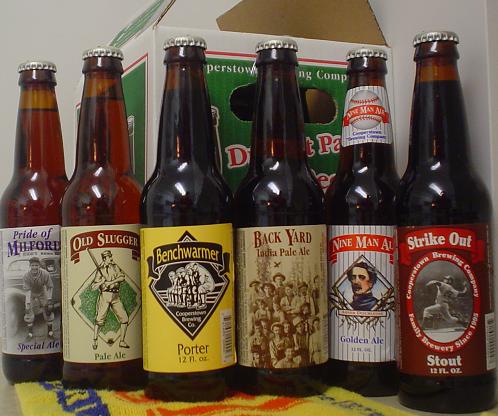
Another big buy from my trip a few weeks ago to the Party Source in Syracuse, NY. The case of this happy vista upon cracking the cardboard. Cooperstown Brewing is not actually in Cooperstown but is a proud cornerstone of the Milford, New York business community.

Like the Smuttynose case review posted ten days ago, I will work through the varieties included in this combo pack and give my impression of what the brewery is up to. One preliminary point, however. In this pack there are twelve bottles of six types as opposed to the four types. For me this takes out the “what do you think opportunity” – I don’t mind sharing a third but I think two bottles separated by a couple of days helps me think about whether I like a brew or not. Also, without having had one, drop the “golden ale”. Maybe once I have popped them, I will feel differently but to me that sounds like a pale ale that can’t work itself up to call itself even that. Plus, having sneaked one each of the stout and porter already, I know you could drop the stout. The porter is a real winner but the stout is not. You are trying to win me over with these mixed cases, so my advice is play your best cards.

I will review all six ales – and they are all ales which is a plus from the get go – as I pop ’em.

Golden Ale: I am not sure whether I have to retract what I wrote above, now a few days ago, but I am also not minding this light ale. That is what it really is at 4.3%. The brewery says:”Nine Man” is a golden ale, brewed from English pale and crystal malts, and with torrified wheat. It is bittered with Cascade and Cluster hops and finished with Cascade hops. “Nine Man Ale” was first brewed as a summer seasonal beer in 1996. It was kegged the first season but not bottled until the opening of the baseball season in April 1997.

– Original Gravity 1.045 / Final Gravity 1.012 /4.3% abv.

There is more body in this than a supposedly full-bodied Canadian macro-ale like Labatt 50. The hop selection and timing provides a good edge to the brew without florals or fruity flavour – maybe a wee lemon rind thing. The crystal malt gives it a slight nutty tone as well. Nothing remarkable except that at that moderate alcohol level, it does not come across as any kind of compromise. The beer advocatonians are a little restless with a 19% thumbs down rating. Here is one unhappy soul’s tale:Found this to be a decent, quaffable light ale. It has a pleasant medium gold appearance with a slight head. The aroma has hints of mown grass with some hints of Saaz hops. Tart, slightly fruity flavor. At the end, find it to be a bit clingy and starchy on the aftertaste.That reviewer rated it 2.9 out of 5. What do you want from a light ale?!?! But that is it! It is not called a light ale or even a lite one but a golden one. By not admitting what it is, has Cooperstown lost a market? Perhaps. For now, I say leave three of these in the box…maybe as a summer seasonal.

Pride of Milford: Strong Ale. The brewery says 7.7% which is about 2.2% higher than I would have guessed from the mouthfeel. It is rich but not Belgian fruity, more restrained like a low-end barley wine. The excellent Lew Bryson in his excellent, nay, seminal New York Breweries (1st ed. 2003 Stackpole Books) calls it at page 166:…a big beer that showcases the beautiful character of the Yorkshire [Ringwood] yeast. It’s malty, cookie-sweet and touched by fruity esters and Ringwood nuttiness that I love…I would agree with everything but the “cookie-sweet” unless we are talking ginger snap or milk lunch. I think this is actually moderately rich and dry – think amontillado or oloroso rather than fino if we were taking sherry which we are not but I thought I would say it anyway. The brewery says:

“Pride of Milford” is a very special ale with a tapestry of complex flavors and aromas. It is brewed with five malts and fermented with the Ringwood yeast at a higher temperature which gives this beer a uniqueness all its own. “Pride” has a distinctive reddish copper color. It is strong and rich beer. When “Pride” was first brewed in December 1999, many thought the flavor and aromas of this beer had fruit overtones. No fruit or adjunct flavoring is added to this beer. The unique flavor comes from our special brewing process.

It is not particularly pungent and has a soft mouthfeel, which would make it quite sneaky if one faced an afternoon at a cottage in winter with a fridgefull. Which raises the question of why this would be included in a case in July. I say include three of these in the case in winter replaced by the Golden Ale in the summer. I think beerish advocates would agree.

Strike Out Stout: The head fizzed like a Coke as it was poured and dissolved away within ten seconds. A nice flavour with chocolate and dry darker malts but subdued, a lighter bodied stout. An oxymoron. Fades in the mouth leaving a cocoa-chalky feel then just a little sour tang. The brewery is kinder to itself:

“Strike Out” is brewed with 6 malts including a balanced portion of chocolate and crystal malts. It is also brewed with 5% flaked oats for a velvet-like mouth feel. English pale, Munich and black malt, plus roasted barley round out the malt bill. Considerably lower in alcohol than both Benchwarmer Porter and Old Slugger Pale Ale, “Strike Out” is a well-rounded stout, opaque black in color with a roasted palate.

        People looking for a stout will be disappointed, especially with the 4.6% but also the crystal malt, quite off style, even for an oatmeal stout. Consider these

two great oatmeal stouts

         easily accessible to someone in the east end of Lake Ontario region. Both have richness. Strike Out does not. It should be reformulated with some body added or it should be called a dark ale, a lesser style. The yeast is a bit sour, too. Not really on for the style. I think I have made a stout like this and not been that proud of it.

One unhappy beer advocate

       captures my thoughts:

Almost black. Big Huge fizzy brown head. Good retention. Head forms craters as it dissintegrates. This beer appears to be very charged up by its appearance. Coffee bean, soap and leather are present on the nose. There’s something wrong with this beer. (Actually, many things.) Mouthfeel is way too carbonated. I get so damn much gas in every gulp that a burp is always the aftermath. The taste is astringent. Husky. Tannin like. Soapy. Stale. No stout qualities to speak of. I haven’t dumped a beer in months, but I just don’t feel like burping 20 times by the time I finish this one.

      So ditch this beer, Cooperstown. I think I am going to like the porter better from the recollection of the first. Leave this one out of the variety case to make some room of the seasonal.

Old Slugger Pale Ale: If there are two words that are bad in beer they are “Mt.” and “Hood”. Some call them spicy. Others, like me, rough and dirty, like a little bit of bark in every sip. I didn’t know what was so odd about this brew until I saw those two words – then I knew. Al Korzonas in his text Homebrewing – Vol. 1 (Sheaf & Vine, 1997) writes:

Another recently released American-grown cousin of Hallertauer Mittlefrüh. It is spicy (cinnamon), resiny and slightly sweet. It is recommended for any German or American lager. It is quite close to the Hallettaur Mittlefrüh in character, perhaps a little spicier. I recommend against using this hop for beers in which you want dominant bitterness – in a recent experiment I found its bitterness to be slightly abrasive when used in a recipe where the bitterness strongly dominated the malt.

      Not good news for a pale ale – that fairly malty, fairly bitter style.

Don’t get me wrong. This is an ambitious brew – ringwood yeast and its sour, woodsy thing; three very different hops, Mt. Hood as well as twiggy Fuggles and citrusy Cascade; as well as four barley malts including two types of crystal. For all that work there is an absence of finesse, the balance that makes all that flavour pull together. What would help? There is butterscotch but it is sitting there in a gap that needs to be filled up with biscuit. Again with the body…Cooperstown is just making them too light for the amount of flavour they want you to take in. Like the stout, it leaves you with an impression that it is thinner than it ought to be. Also like the stout, the head disappeared fast. The beer advocates give at a fairly low average for a micro.

Back Yard India Pale Ale: The head sustains longer than the stout or the pale ale. This is a good sign. The first taste is of vegetative rather than herbal hops. Clover sweet. There is a rough malt grain edge but is works in this one. This beer would go well with rich earthy flavours like ox-tail soup, parsley potato soup or roast squash. You know what I saying. I know you do. Maybe it is just that the ringwood challenge has been met with this one. A full three ales in the variety pack year round.

Interestingly, the unhappy beer advocates are talking about gushing bottles, cloudy ale and high burposity. These comments all go to problems at the brewery. My bottle was nothing like this, fairly still and balanced. So be prepared for bottle variation. The brewery says something very interesting:

English pale barley malt is predominant in this beer with just a small amount of crystal malt. It is well bittered with Cluster and Cascade hops and finished with a mix of local hop and larger amounts of Fuggle hop.The southeast zone of the leather-stocking region in New York (west of the Syracuse-Binghampton corridor south-west of Albany) was a hop growing area before the west was truly won and a local hop is a good hop if it is a heritage variety as this claim might be taken to imply. All in all, I am very happy with this beer. No Flower Power IPA from Ithaca but a worthy if less brassy neighbour. Redemption in the case.

Benchwarmer Porter: Comfort beer and, again like the IPA, a worthy placement in the case. The head is rocky and tan. The mouthfeel is full and full of mocha and fresh picked unsweetened black current. A beer fit for the Ringwood, but porter usually is. I used to make Ringwood pumpkin porter in my homebrewing days…but less about me, more about the brew. The brewery says:More than 4% chocolate malt, which is the most similar to the brown malts of the early 1700’s, gives “Benchwarmer” its dry coffee-like finish. It is fermented with the Ringwood yeast which is an excellent yeast for the brewing of porters.I am buying it but are the beer advocates? 43 reviews all all positive. One says:

Big foamy head and very dark color, but not opaque. Lots of hops for a porter, and they work well in drying out a slightly chewy mouthfeel, as well as imparting nice hints of herbs and dry leaves. Very tasty underlying flavors of espresso, dry molasses and earth. The finish is dry, with the coffee/espresso flavors lingering with a touch of alcohol. Really complex on tap.

Many reviewers taste some smoke which I did not get at all. Oh, well. Such is life. Very decent porter.

So all in all this is an ok variety pack but I now know what I will buy in a six and what I will not. Some concern for production quality but when they do well they do well. Nothing life changing but they are thinking and they are achieving – two things I have to remember to get around to from time to time Work on the stout and the pale ale, mix up the case to go with four styles not six and you are going to be ok.