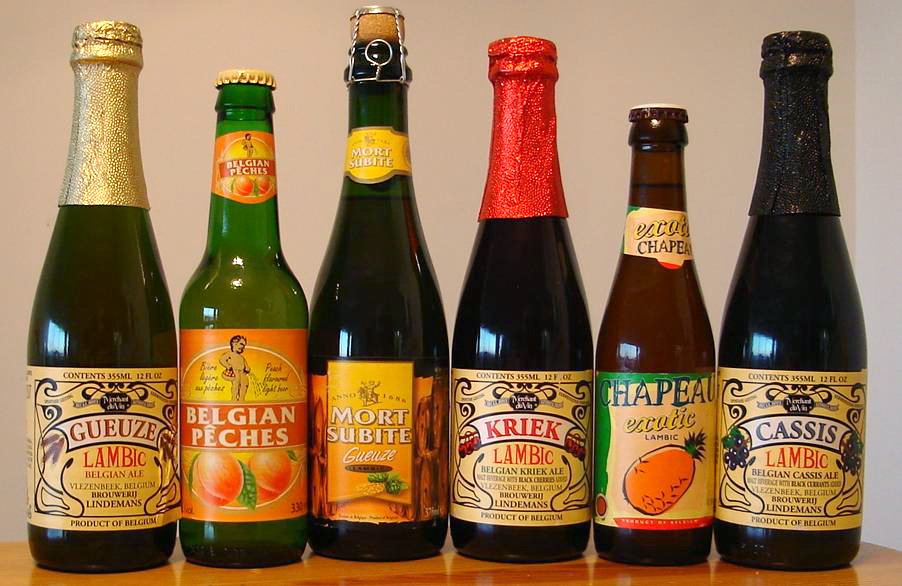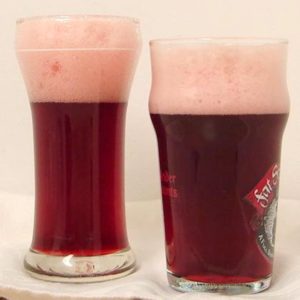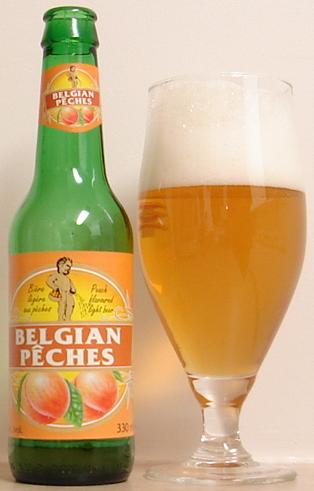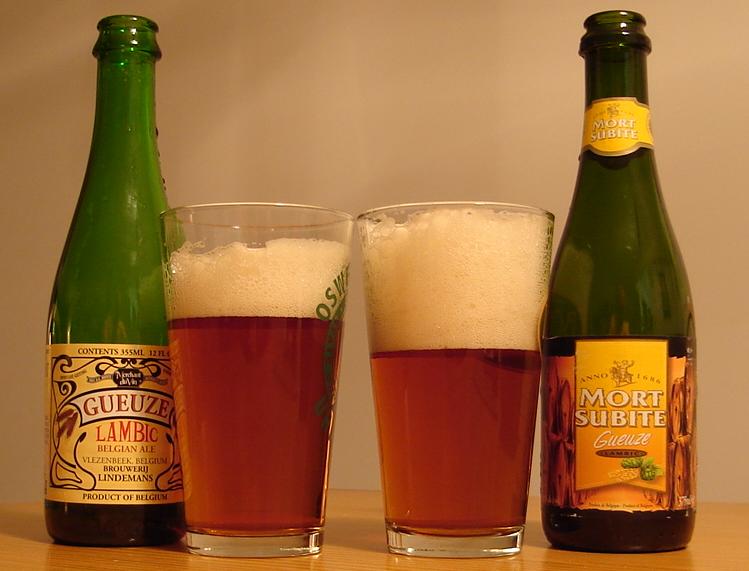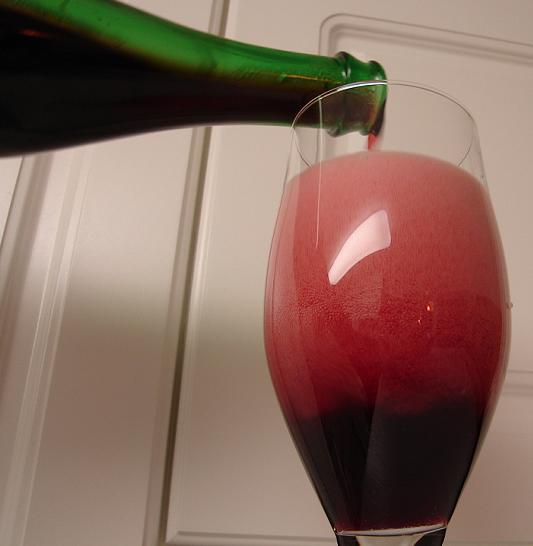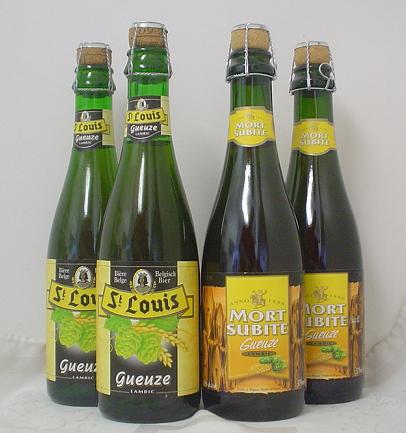
Two of the Gueuze


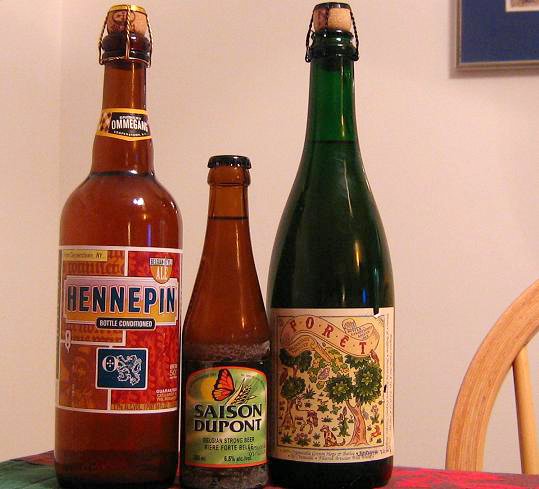
gueuzeHappy was the lad, then, who came across these two examples of the Belgian style gueuze, which has been described as follows:

Gueuze – a word derived from gueux, or begger – is a blend of lambics of different ages, bottled with a champaign-type cork to undergo a second fermentation. It ages well.

“Beers of the World” by G. Delos (pub: CLB, 1994) at page 82

Miachael Jackson in the first edition of his World Guide to Beer describes lambics as follows:

These spontaneously fermenting beers are produced by traditional methods in only a very limited area…called Payottenland, and its atmosphere is held to contain micro-organisms which promote the fermentation of beer without the assistance of the brewer. (at p.117)

So they are rightly called “wild beers”. I have never had a gueuze before though I have had a fair number of the fruit lambics like the little raspberry number I reviewed a couple of weeks ago as well as the cherry version called kriek… including one instance with the brew 19 years ago leading one Parisian barkeep to suggest that we Nova Scotians and the lads from Gascony ought to take out discussions out into the street. But I digress.

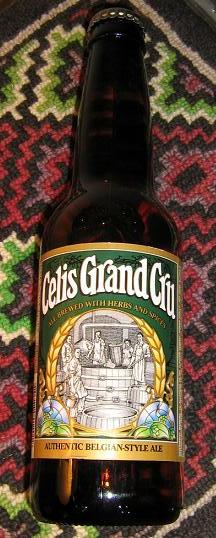
So a little pitter-patter of excitement welled up when I saw there on the LCBO shelf not one but two examples of gueuze. Apparently not as much excitement as the guy ahead of me who I was told bought 30 or 40 – which, pushing 4 bucks per 375 ml, was a sure sign of dedication. I was familiar with the line Mort Subite by Brouwerij De Keersmaeker to the west of Brussels so I popped it first. It smelled like a late harvest Riesling or Gewurztraminer white wine as I poured. Fresh, light and only 4.5%. It is brightly acidic but not tannic. I expected more of a sparkling beer but it still effervescent. It is like fruit juce without all aspects of the fruitiness – or perhaps sort of a cross between apple juice and orange juice but not in any forefront manner. Despite this fruity zing, the water is quite soft leaving a very moreish mouthfeel. There is a light bit of the oak cask in the finish, some green antiqued hops as well as the barley, wheat and corn. It is incredibily tasty stuff and quite unlike an ale or a lager. Beyond lovery. Beer advocates have trouble with this one but I think you have to consider that Belgians do challenge. Recently, commenting on someone who gave obvious offence taking the defence that they were merely being “ironic” – despite the implication of cynicism that word connotes – I suggested that such a use of irony was not unlike the defence of a brewer of a bad batch claiming “it’s not off…it’s Belgian!” You have to expect the new and strange from the Belgians and when you do it is wonderful.

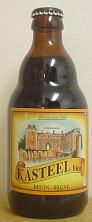
So on to the St. Louis by Brouwerij Van Honsebrouck N.V. – the maker of Kasteel quadruple reviewed here last year. It is slightly cloudy and a little bit of an orange tint to the light butterscotch hue. In the mouth it is also fresh but bigger, perhaps sweeter with a drier oaker finish. I could not do better than to repeat the words of Naerhu, a contributor at the beer advocate’s reviews on this beer from Osaka Japan:

White fluffy head on any amazing amber body. Light aroma of red fruit, maybe rasberries. Very lightly sour and pretty sweet. I can hardly imagine this to be a gueuze as sweet and friendly as this is. Where as gueuze normally tastes like how a unclean barnyard smells, this is bright and cheerful, zesty and clean. Very enjoyable.

That being the case, perhaps these two examples of gueuze do not exemplify the style at all. Any input on this point would be very useful for its own sake as well as comment on the LCBO itself. Have they picked only two easy beers rather than great examples or the ur-gueuze? Are they treating us like gueuze mooks or possible future connoisseurs? Neither had any sediment which does raise questions when it comes to Belgian brews.

Gueuze. We can add more examples as the days turn to months and the months to years.

Belgian Dark Strong Ales

This is a very pleasant pastime this comparison of Belgians which is already into its third month. To say pacing is required is more than stating the obvious. These are big big beers with two of today’s selection coming in at over 10%. Good reason to have a get together.

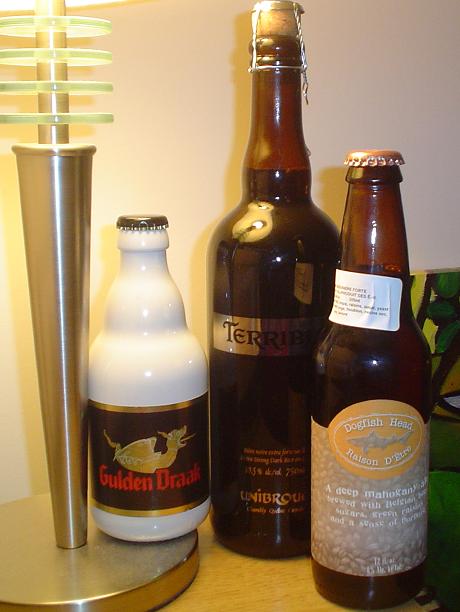
Just as one observation on the photos I like to add to these posts, this was a very hard grouping to shoot as the paint on the Terrible by Unibroue is actually mirroring silver while the bottle is black glass. There was no way around using the flash, which I do not think provides you with the best photo of glass. So that being noted, here are my notes on the three examples of this style I have gathered:

Gulden Draak: A true Belgian, 10.5% 330 ml from a variety six-pack from Van Steenberge sold during the pre-Yule rush by the LCBO. The first thing you notice is the malty heat from the dark candi sugar – tastes of fig, pepper and prune. Also, it is surprisingly juicy very nice, grapy and there is a bit of milk chocolate truffle in the centre. Unlike a dubble there is no burlap or oaken notes or orange peel and spice. This is all about the malt, like a barleywine stripped of the English hops. The yeast is prominant as well, butter pastry and cream. It is all like a tart of prunes with whipping cream dolloped on top. The hops balance rather than cut the malt, providing structure but it is all about the malt. Advocates say yeah.

Dogfish Raison D’Etre: An entry from Dogfish Head of Delaware in the USA, this beer is 8% and 12 oz. sold by the single bottle at the LCBO. This one is lighter and somewhat reliant on the addition of grape juice to the beer but the result is surprisingly similar to the Gulden Draak. The yeast is bready rather than pie crusty and the hops are even more subdued. The rich core is more about dried apple more than prune. With its fairly soft water profile and relative simplicity it is still very pleasant. I am coming to think that these beers are also like Scotch heavy ales without the smoke of the barley and that northern strian of ale yeast. Soft blankets of malt. Some advocates disappprove citing poor head and thinness yet it was awarded American Beer of the Year 2000. Can’t we all just get along?

Unibroue Terrible: Canada’s entry is again fantastic – lush, juicy and more-ish. Amazingly, at 10.5%, there is no heat. I am recalling that Terrible is less complex as well than the Unibroue’s Trois Pistoles, their other Belgian dark strong ale. [By the way – imagine a brewer in North America selling two Belgian dark strong ales. I hope Sleeman knows what it bought.] There is some orange but it is more as juice than peel. Big malt but the least signs of dark candi sugar than the Gulden Draak or Dogfish. A little figgy, a little leathery, smooth. Some dried cocoa like a can of powder for baking – dusty and light. Perhaps a recollection of black cherry. The yeast is milky rather than butter or cream – not rich and it adds to the juiciness. Hops again are structural rather than bitter. BAers approve as all but one.

I see that this style is just all about the capacity of belgian pale malt if concentrated. These are ‘s beers. This is what beer imagines it could be if it only put its mind to it, think of the big picture.

Belgian Dark Strong Ales

beldk1This is a very pleasant pastime this comparison of Belgians which is already into its third month. To say pacing is required is more than stating the obvious. These are big big beers with two of today’s selection coming in at over 10%. Good reason to have a get together.

Just as one observation on the photos I like to add to these posts, this was a very hard grouping to shoot as the paint on the Terrible by Unibroue is actually mirroring silver while the bottle is black glass. There was no way around using the flash, which I do not think provides you with the best photo of glass. So that being noted, here are my notes on the three examples of this style I have gathered:

  • Gulden Draak: A true Belgian, 10.5% 330 ml from a variety six-pack from Van Steenberge sold during the pre-Yule rush by the LCBO. The first thing you notice is the malty heat from the dark candi sugar – tastes of fig, pepper and prune. Also, it is surprisingly juicy very nice, grapy and there is a bit of milk chocolate truffle in the centre. Unlike a dubble there is no burlap or oaken notes or orange peel and spice. This is all about the malt, like a barleywine stripped of the English hops. The yeast is prominant as well, butter pastry and cream. It is all like a tart of prunes with whipping cream dolloped on top. The hops balance rather than cut the malt, providing structure but it is all about the malt.Advocates say yeah.
  • Dogfish Raison D’Etre: An entry from Dogfish Head of Delaware in the USA, this beer is 8% and 12 oz. sold by the single bottle at the LCBO. This one is lighter and somewhat reliant on the addition of grape juice to the beer but the result is surprisingly similar to the Gulden Draak. The yeast is bready rather than pie crusty and the hops are even more subdued. The rich core is more about dried apple more than prune. With its fairly soft water profile and relative simplicity it is still very pleasant. I am coming to think that these beers are also like Scotch heavy ales without the smoke of the barley and that northern strian of ale yeast. Soft blankets of malt. Some advocates disappproveciting poor head and thinness yet it was awarded American Beer of the Year 2000. Can’t we all just get along?
  • Unibroue Terrible: Canada’s entry is again fantastic – lush, juicy and more-ish. Amazingly, at 10.5%, there is no heat. I am recalling that Terrible is less complex as well than the Unibroue’s Trois Pistoles, their other Belgian dark strong ale. [By the way – imagine a brewer in North America selling two Belgian dark strong ales. I hope Sleeman knows what it bought.] There is some orange but it is more as juice than peel. Big malt but the least signs of dark candi sugar than the Gulden Draak or Dogfish. A little figgy, a little leathery, smooth. Some dried cocoa like a can of powder for baking – dusty and light. Perhaps a recollection of black cherry. The yeast is milky rather than butter or cream – not rich and it adds to the juiciness. Hops again are structural rather than bitter. BAers approve as all but one.

I see that this style is just all about the capacity of belgian pale malt if concentrated. These are ‘s beers. This is what beer imagines it could be if it only put its mind to it, think of the big picture.

Belgium: Orval Trappist, Villers-devant-Orval

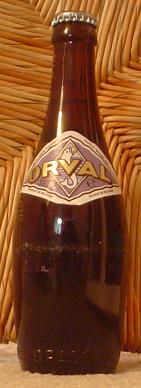
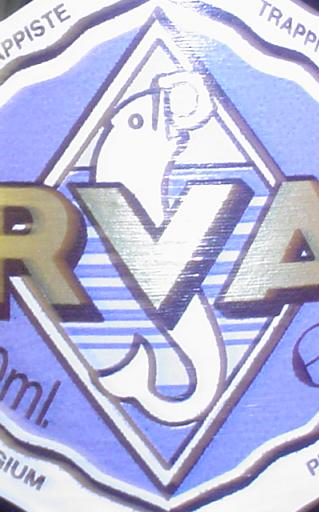
orvalOrval. This is the nicest little bottle of ale in the hand. Shaped like a Perrier bottle in brown, decorated with a fish on a gold ring, it is the product of Trappist monks – one of the five (or is it six?) real Trappist ales going…well, except St. Sixtus of Westvleteren which you have to go yourself to the Abbey to buy.

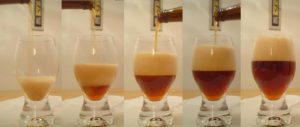
If you want to know what Belgian hops are like, antique and dignified like brittle lace, this is a great beer to try. Rajotte says it is dry hopped for a month and its taste is primarily a play of wild twiggy herbal yeast and hop with only a supporting role for the malt. As a result, it has a fairly light body with a orval1mouth filled with rustic flavour, thyme and lavander.

As with a good clovey southern German hefeweizen, a pork roast would do very well sitting in Orval for half a day before meeting the fire.

Belgium: Thinking About Four Sorts Of Brown

belrod2

Continuing in the style of Four Belgian Blondes and Four Wittes, I am going to try to work through the Belgians I have squirrelled away over the last few months style by style. I also want to avoid one problem that arises doing a side-by-side, especially when you are looking at triples and strong ales. Four of those at 8 to 11%, especially when one or two only come in a quart, can frankly blow the top off yer heed. So, to ensure some benefit of the colour and head comparison, while at the same time avoiding a public display of the ever famous liquid lobotomy, I have decided upon a handy-dandy chart format for these posts. As I open each brew within the set, I will add it to the table with a photo of its label and one of the pour along with some notes. Click on the photos for a bigger view.

The trouble with this first set, however, is that they are not a style all. They are just a grab bag of styles all of which fall under the word “brown” more or less. The Petrus is a tangy Oud Bruin, while the Leffe Brown is something more familiar, a rich brown. The Kasteel is more of a barleywine while Rodenbach Grand Cru is a sour beer gone mad – the best malt vinegar you will ever find. All, however, are forms of browns from Belgium.


Belgian Browns Bottle and Pour Notes
belpet1

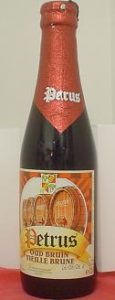
Petrus Oud BruinFlemish Brown


translucent mahogany
petrus1

Lambic-like, sour cherry aroma, refreshing but also, at its core woodsy. Tart orange and spicy but in a good Christmas cake way. The body is not heavy. Slight carbonation – very light for a Belgian. 5.5% in a 250 ml bottle. BAs speak.

belkas1

Kasteel IngelmunsterQuadruple or Barleywine


Demarrara
belkas2

This is a dandy big beer – brown sugar plumy or red grape malty goodness at 11%. Without a trace of orange peel or spice so no hint of a dubble. No sour at all so nothing oud about it. This is surprisingly fresh for its bulk…like me. Rummy. Very subdued hops, only enough to keep the sweetness from being cloying. Here is the brewery’s take on it. A juicy swallow ending in a hot port finish. 330 ml bottle. Advocates comment.

belrod1

Rodenbach
Grand CruFlemish Red


cherry wood patina

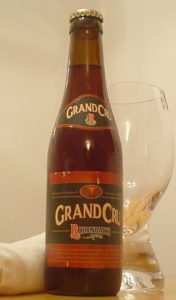
I said that this was the best malt vinegar you will ever taste and I am not kidding. This is pure soured, oak aged Belgian brew. Michael Jackson is kinder speaking of a vanilla-like oakiness, passion-fruit flavours, a clean sharp acidity like sour cream. That is all there but you have to appreciate that the acidity is that of a sub-puckeringly sharp wine. Vineous does not cover how sharp. Tart but only in the sense of King Tart of the Tartonians. Within the tart the is some reflection of spice and certainly a gooseberry-rhubarb custard trifle would go well with this. That acid lingers the palate with the yeast with some deference to richness. It is nice. Try it but prepare to wish for a nice light double IPA as a cleansing light chaser. 6% in a 330 ml bottle.Beertonians blown away.


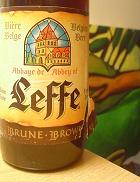
bellef1

Leffe Brown Belgian Dark Ale


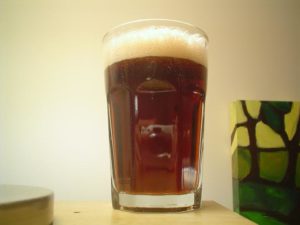
Chestnut

bellef2

Hard label this one. It has some rich round brown like the Kesteel and also some tang like the Flemish Browns. Another calls it an almost double and another a dark ale. But labels have a limit. A lively head which leaves a rich foam ring. Medium to strong body. Cream and chocolate with a strong hop edge cutting the sweet. 6.5% in a 330 ml. Great on tap.Beersters consider.