So That’s Us Back From Scotland. Did I Learn Anything?

scot2014a

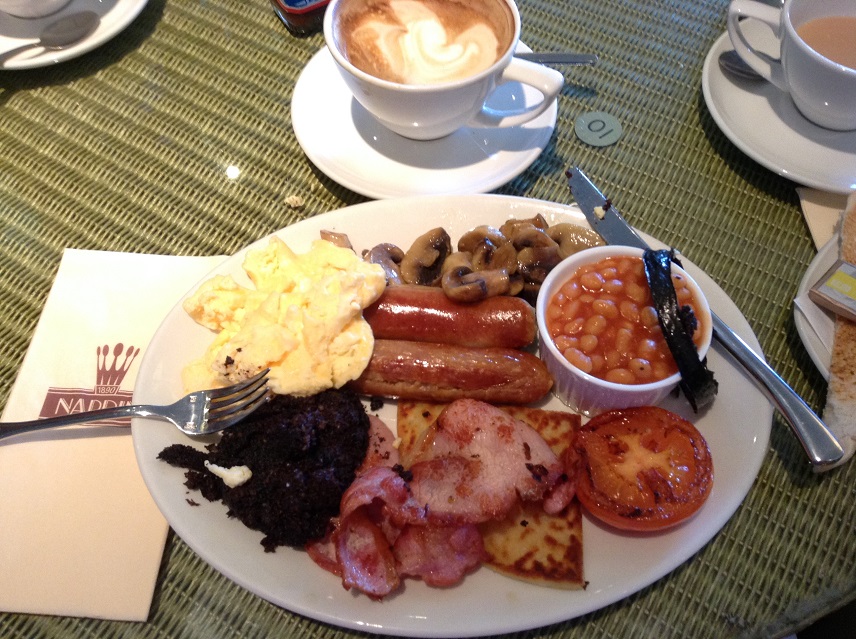
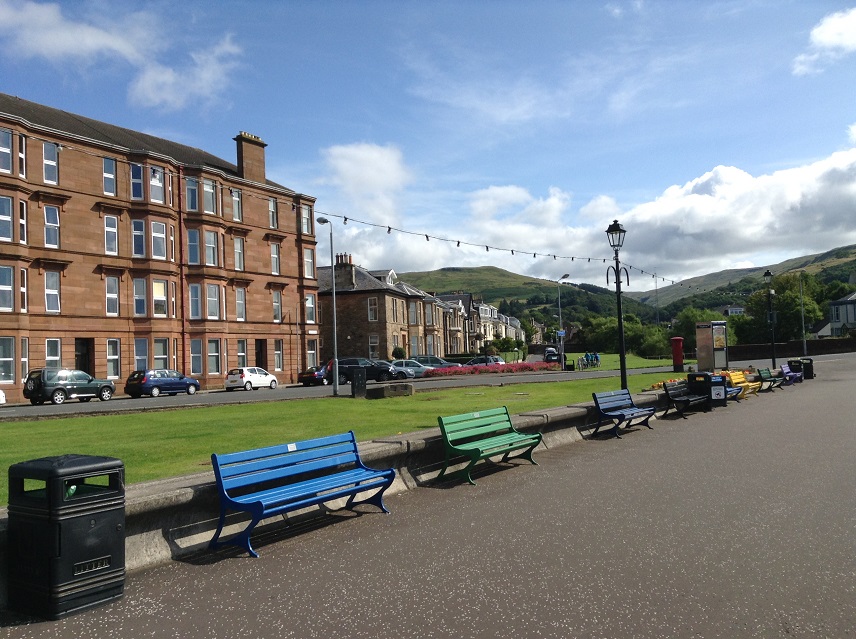
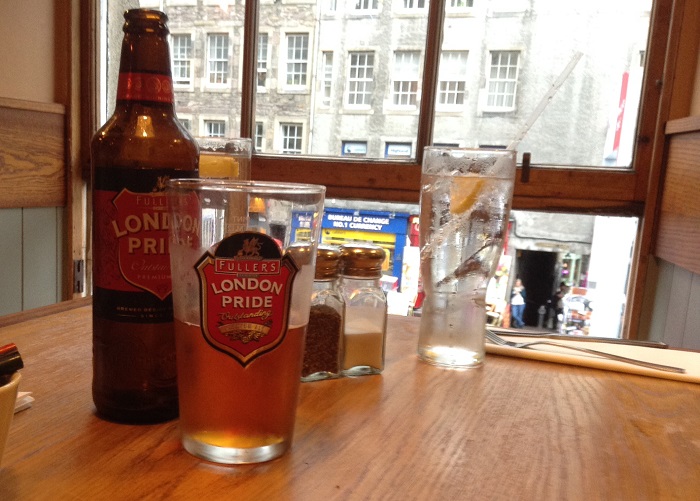
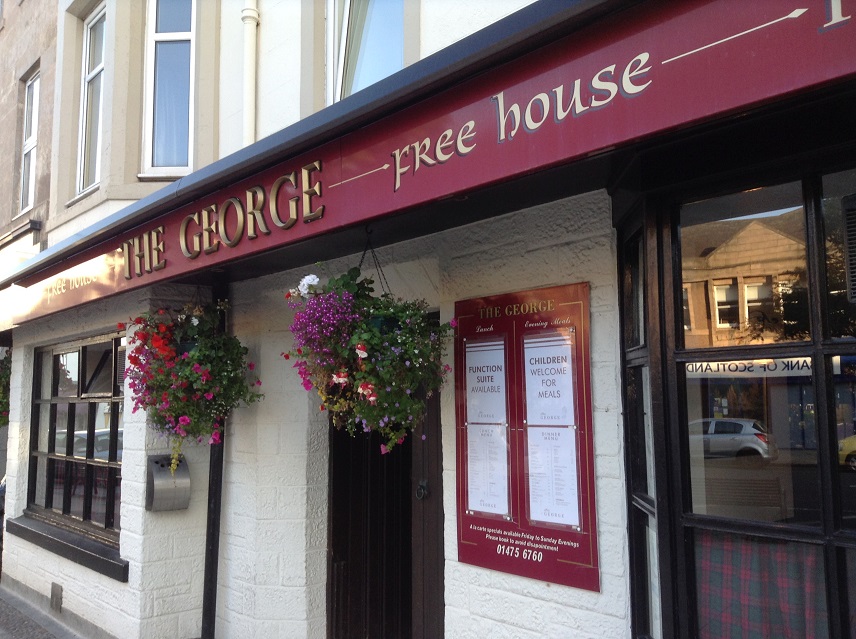
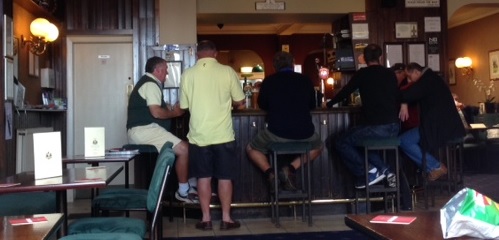
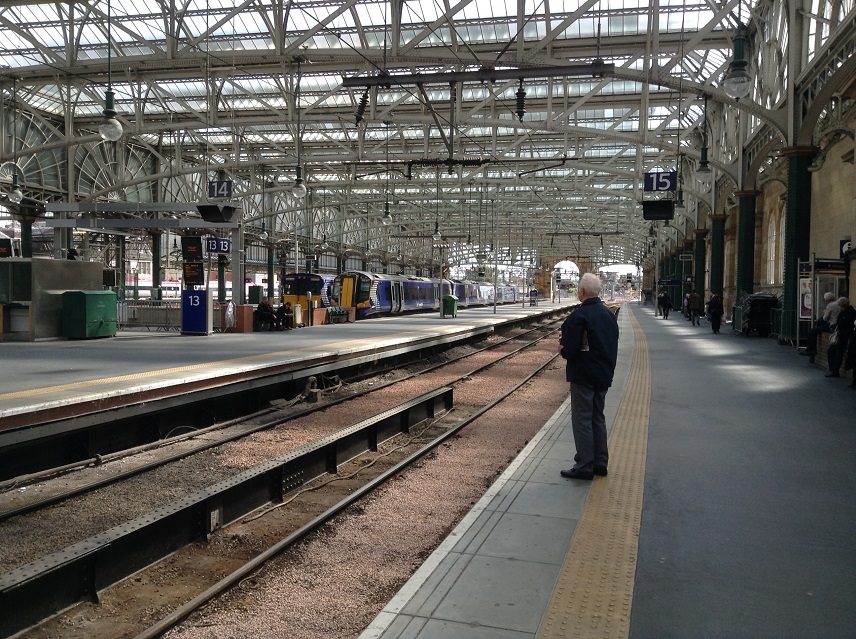
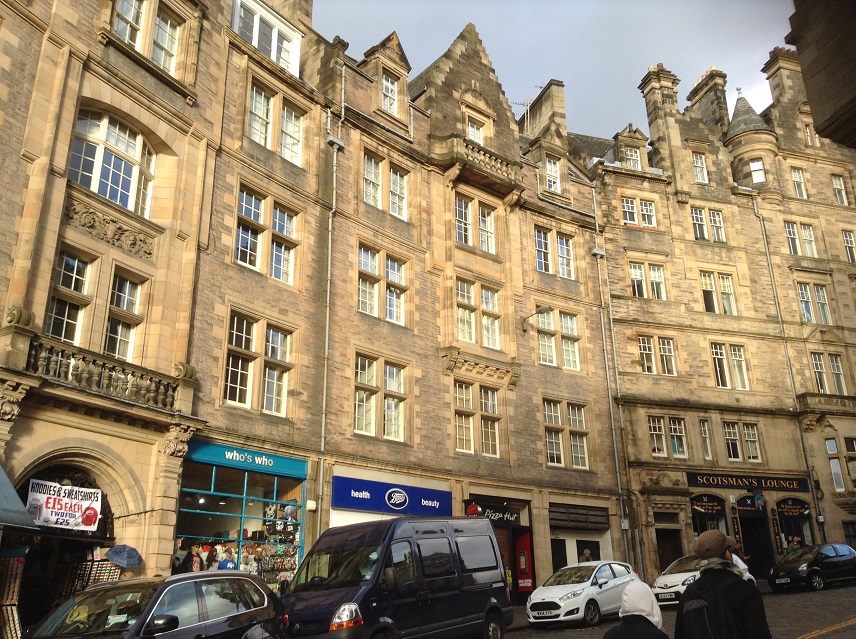
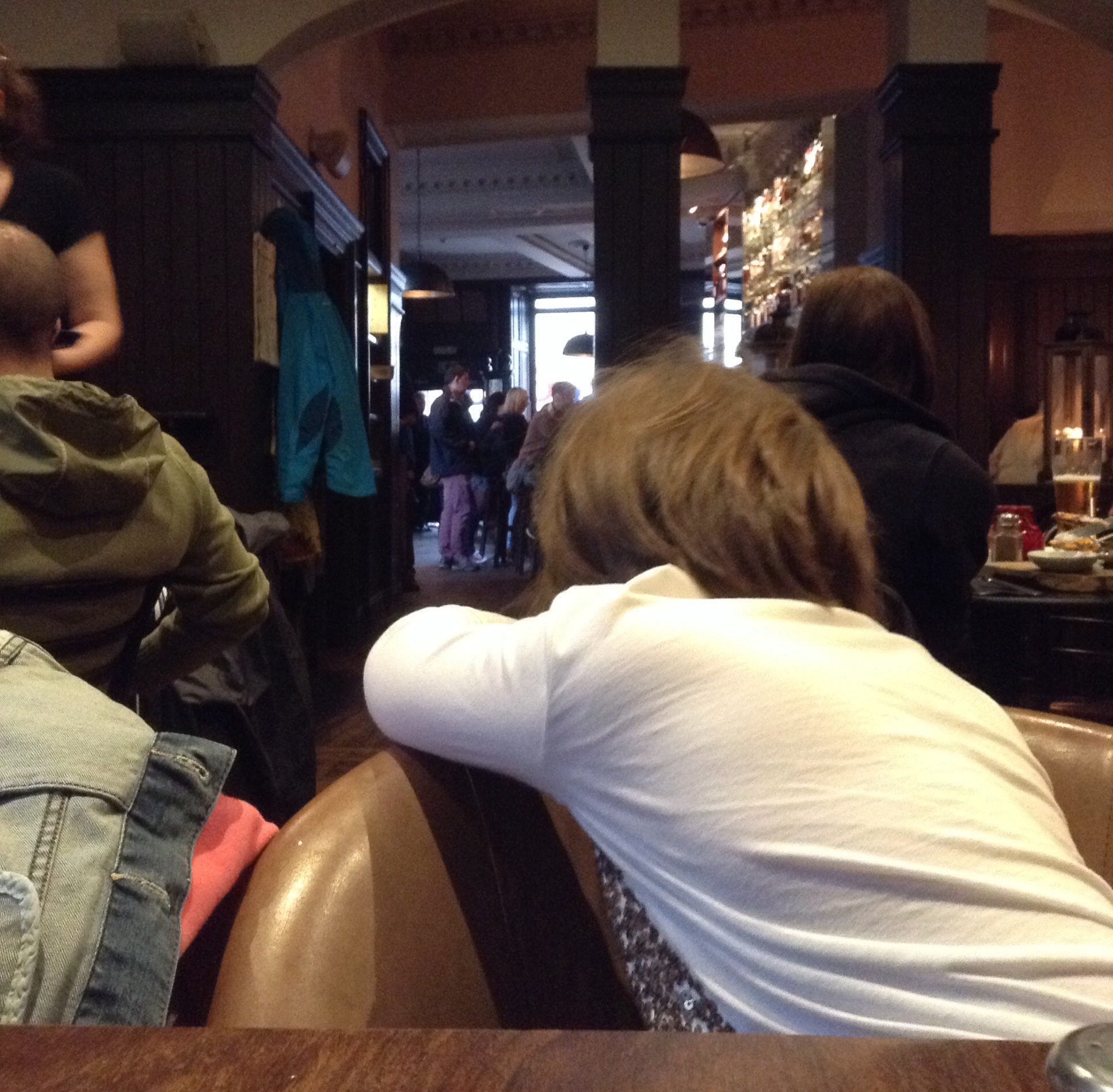
The Golfer’s Rest in North Berwick, East Lothian. When we sat down on the bay window sofa cushions, I said to the kids “now, this is a pub” by which I meant a space that had the feel of a shared public rec room combined with a well managed courteous corner store. With beer. There are analogies to North American spaces but they don’t always have strong drink. The nearest comparison in Canada is more the Tim Horton’s coffee shop in a small town than a bar. Places where all sorts of people meet. The guys at the bar were discussing their latest golf games as well as great golf moments. No different than a bunch of rec leaguers anywhere. I wish I had a pub like this in my life.
scot2014bscot2014cscot2014d


scot2014escot2014fscot2014g


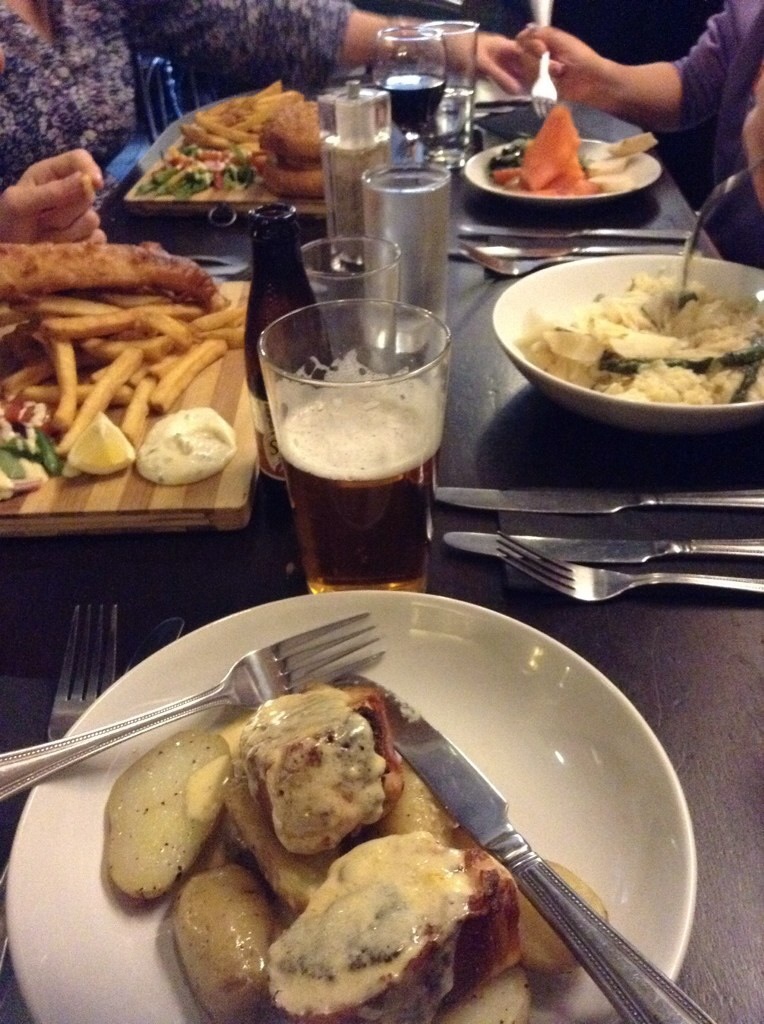
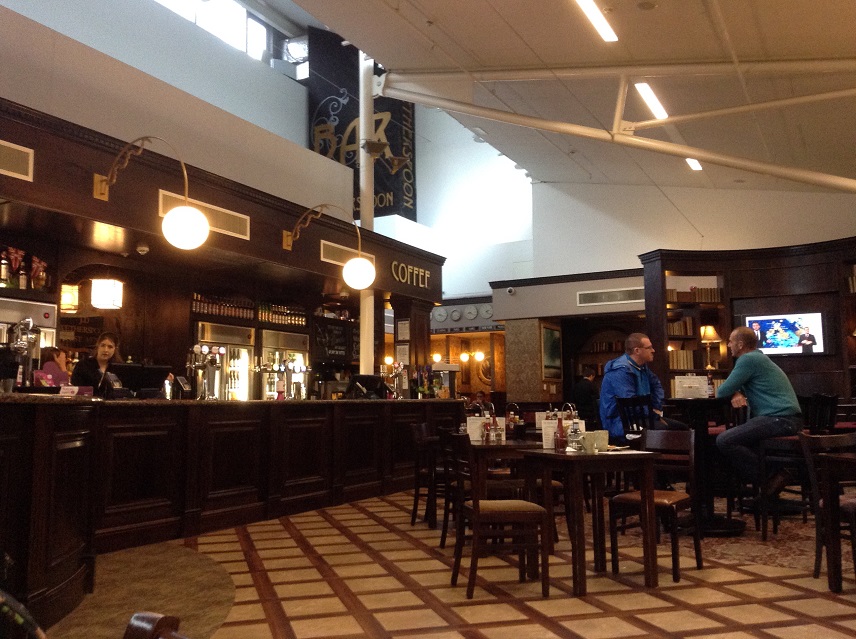
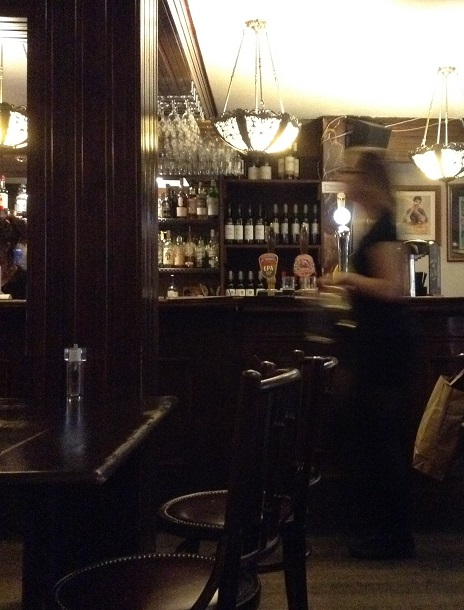
A bit of a photo essay. To help me think about the things I liked on the trip as well as the things I thought about. This being a family vacation centered on visiting more family, there was not all that much bouncing around my brain about beer, frankly, but there was a bit. I can’t get over how good it is to have flavorful reasonably bodied hop-shy beers of under 4% readily available. For me, the only measure of strength is milliliters of pure alcohol in the glass or bottle in front of me. Having the option of a 500 ml or pint of roughly 20 ml strength beer is a treat. Deuchars IPA at 3.8% kept my attention a couple of times as did the lowly rated EPA I had with my Balmoral chicken at a pub on Rose Street in Edinburgh called 1780. It was great to have a glass of beer then continue with the unending march that was the holiday. Made me wonder if the current US trend towards low alcohol high hop beers is a last ditch effort to avoid the difficulty of making the lighter UK style beers that more people would likely find attractive.
scot2014hscot2014iscot2014j


scot2014lscot2014mscot2014n


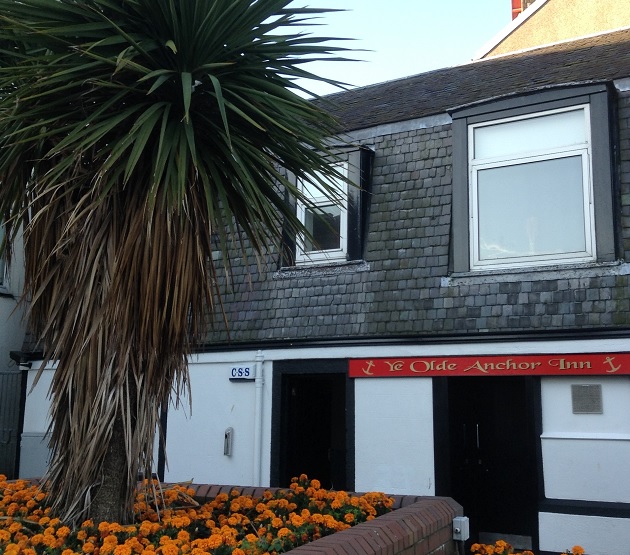
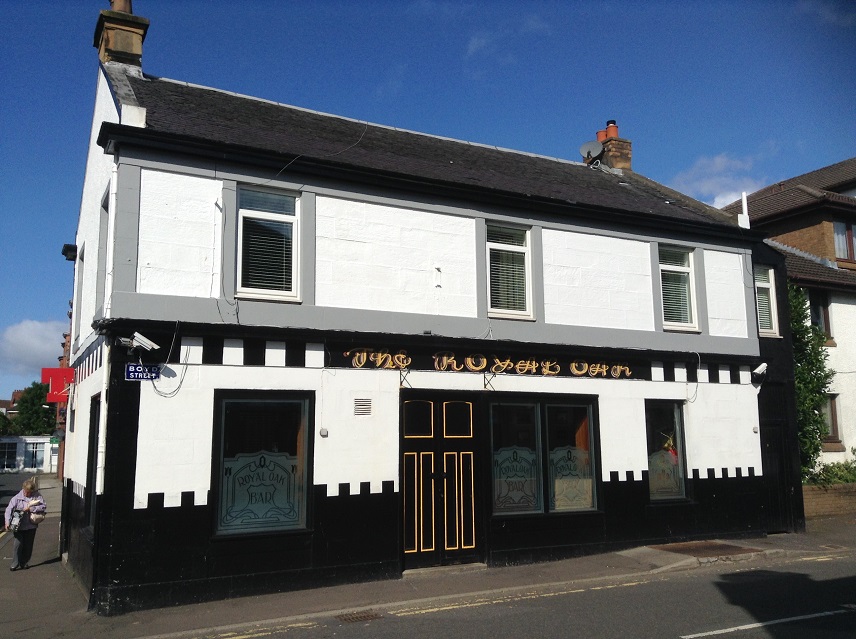
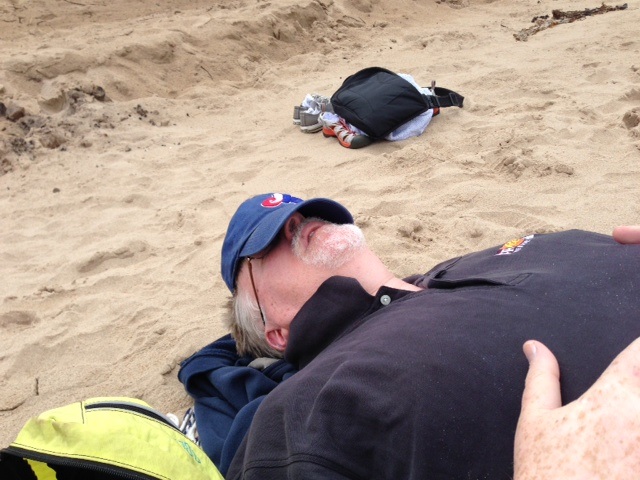
I am not sure that I like sparkers all that much but it was not a strong impression for me. I have come to think that I don’t really yearn for more Wetherspoon experience. The rules were too much for me. The numbered tables. Maybe my brief experience was not representative so consider that should you actually ever make the mistake of relying on my view. I did learn I like Timothy Taylor. I had three pints over the time I was there. I passed up a very good glass of Côtes du Rhône Villages to have another pint with my lamb chops. Yet, I also had a very good pint of Carling. I was so surprised I had another and confirmed my impression. Was it the company of my cousin-in-law Jim and the chat with his pal the owner at the Ye Olde Anchor, built in 1707 in my mother’s hometown? Who knows? It was a rich experience walking around the streets, seeing pubs like the one grandfather barred my cousin from taking my brother to in 1977. And the one that was the start and finishing place of a majestic 14 hour bender with another cousin in 1986. Or was it just the fact that in all these settings the beer was not the primary function of what was going on. I did, after all, see BrewDog in Edinburgh and passed it by – not out of disinterest as the fact that, as was often the case, there was likely another better thing to do. In that case, The Holyrood 9A was the better thing.

scot2014oscot2014pscot2014q


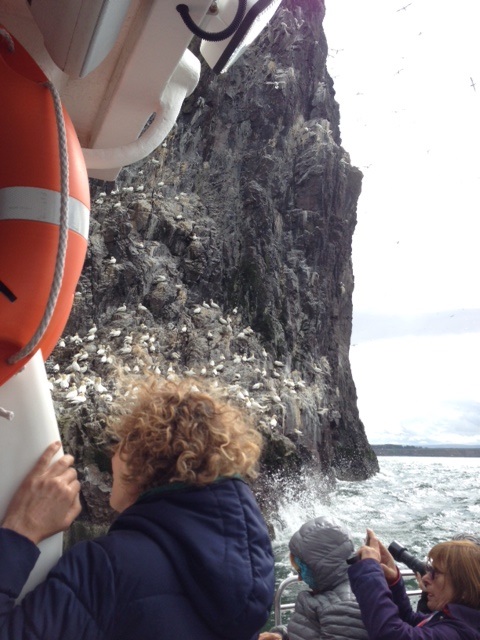
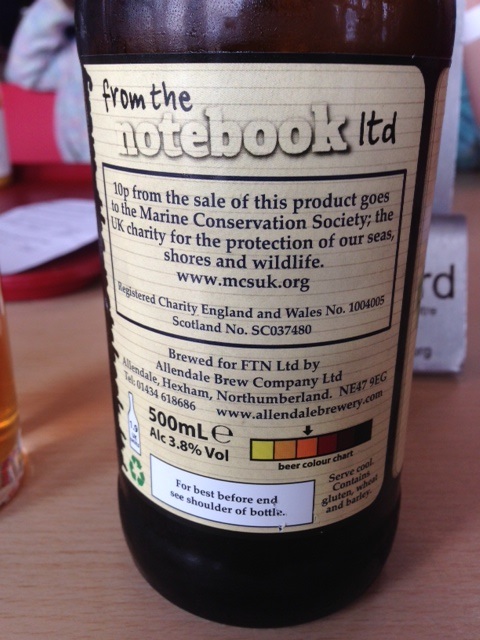
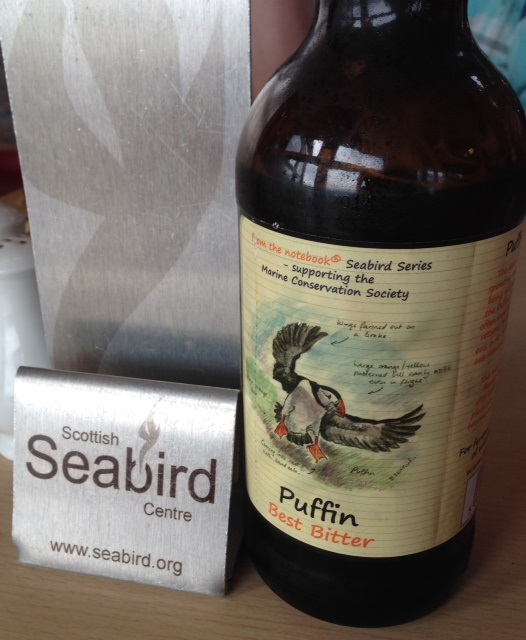
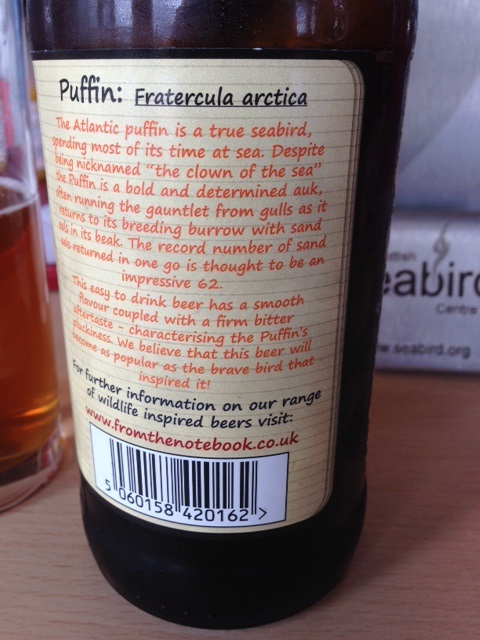
scot2014sIf you like the sort of holiday that gets you familiar with a small patch with lots to do – like, say, Montreal – I can’t recommend Edinburgh and the Lothian area more highly. Even for almost two weeks. It’s not just about the golf, either. We spent three hours in the Scottish National Museum in the early section and had to explain to the kids that in all that time we had not really seen anything related to the clan given that we only came to Scotland in 1250 AD. The city during the Fringe Festival was as animated as I have seen in a community. One real treat was the trip out to Bass Rock on the boat run by the Scottish Seabird Centre. And, as you can see, there was beer, Puffin Best Bitter. A good low strength tasty pint that in no way interfered with the rest of the day’s to do list. A beer that functioned exactly like a cup of tea. It refreshed and set one up for whatever was next. Who knew? It made me realize how little I like the idea of “session beer” with all due respect as I wanted one of these when I was not having a session. It’s not like there’s a need to label something session tea.
scot2014rscot2014uscot2014t


What did I learn? I learned that I might want to change a few things but that I come from people from a great place and also that I am lucky that my parents decided to make the jump across the ocean, too. I also learned that it’s only twelve hours door to door. A taxi, a plane, another plane, a bus, a train, a bus and a half a block’s walk in fact. Thinking already about a repeat soon.
If This Is Monday Is That Longniddry?


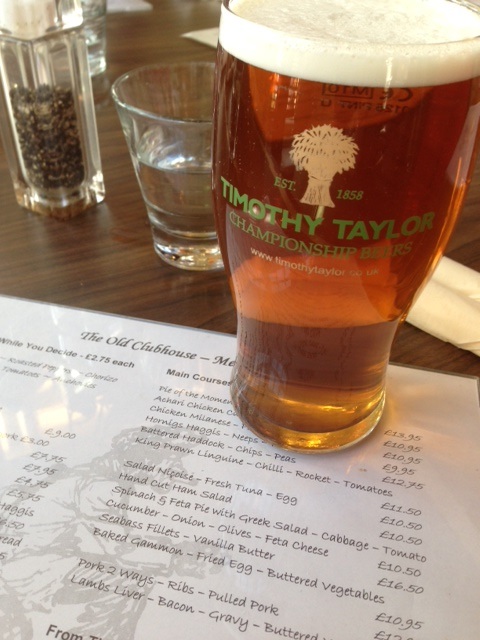
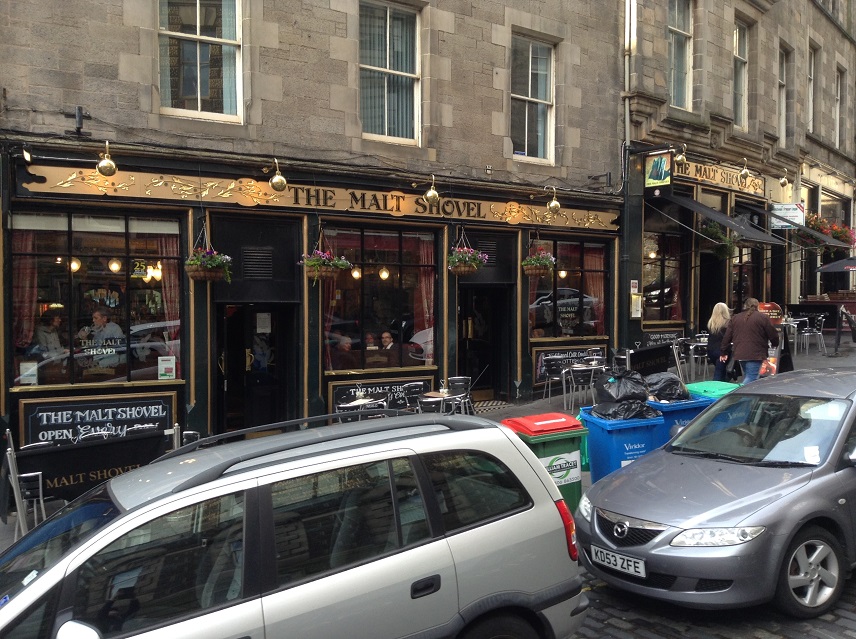
scot2014kBy the second week, I’ve given up on most places listed in the guides like The Malt Shovel as there are rules against kids even in their mid-teens coming into some pubs that have me befuddled. I never inquired so I might be entirely wrong about the place. Some pubs like The Ship Inn in North Berwick are good for families until 8 pm. Others like The Abbotsford on Rose Street in Edinburgh are fine with the family upstairs in the restaurant but not downstairs in the bar. One Wetherspoons had so many rules (give the man your table number and your pint may arrive in twenty minutes… but only if you are in that room with the 14 year old) that I thanked them and left. Fortunately common sense reigns at the Old Clubhouse in Gullane where Timothy Taylor flows even if through a sparkler. Up there with The Holyrood 9A as best stops so far.

The Ship Inn was all sparklers, too. The pub sat in a dark red sandstone building on corner a few blocks back from the shore, tenament style, apartments upstairs, established 1895. Big windows and a few picnic tables out front under shady tree… well, shady when it’s not raining. Inside, dark wood and comfortable leather benches and arm chairs. Friendly service but they appeared to have never conceived of hot chocolate and Baileys. It was, you know, raining. It was remarked upon a few times by the staff. Said they would add it to the drinks list. Being Canadian seems a natural thing, having eight months of winter and all. Three hand pulls of local beers along with ten or so taps, mainly from larger breweries. Large selection of bottles, mirrored shelves. Open central space by bar. Tip jar. Tipping is interesting. Neither encouraged or refused. Asked in a few places and consensus is 10% is appreciated but not expected or demanded. Uncle and I both agreed upon the Broughton IPA – which came in at 5.5% even if on sparkler. Creamy mouthfeel, pronounced chewy hops.

That’s all for now. The train is approaching the sunny Clyde the noo.

Scotland: The Holyrood 9A, Edinburgh

image224Made it. Fourteen hours door to door to Uncle and Auntie’s. Next day? Children down to the pub. Well, a pub. The Holyrood 9A in Edinburgh’s Old Town. It’s warm. The warmest room so far. Williams Caesar Augustus is a tasty pint. Very full for what would be a light beer at home. Tropical hops, sure, but a good malt backbone balancing them out… well, almost. A venison burger is coming. Half the tables, like ours, have happy kids.

What A Bumper Crop Of Maris Otter Might Mean

Fabulous news out of England for those few remaining beer drinkers who enjoy the taste of beer:

With much of the harvest already in store, Robin Appel Ltd suggests the low nitrogen levels required by ale brewers have been achieved, with an average of 1.37 – 1.40 per cent against a five-year average of 1.65 per cent. Yields of Maris Otter barley, which normally average two tonnes per acre, look like running at nearer two and a quarter, with good harvests reported from Norfolk, Suffolk, Cambridgeshire, Yorkshire, Shropshire, Herefordshire, Hampshire, Wiltshire, Dorset, Oxfordshire, Gloucestershire and Cornwall. Maris Otter is winter-sown, and the damp winter and wet May have ensured good yields. A disease-free growing season has meant the highest ever planted area looked the best in years.

Granted, this might not be of much interest to those watching the North American adjunct market, those day trading in the cherry syrup markets and watching the after hours stemware trading but this should be good news, shouldn’t it? I remember my first bag of Maris Otter like it was yesterday. While other pale malts smelled of grain, this was all summer fields and scything maidens. We cross the big water soon heading to hang out with family for a bit on the sunny south shore of the Firth of Forth. While there, I hope to avoid all contact with DIPAs, miss every bourbon barreled apricot saison and dodge all the pop star brewers. But, with any luck, there shall be the fermented steepings of Maris Otter with nary a cicerone in sight. Can it be done?

And, just to be clear, I have no plans whatsoever to visit the beer can tree of Aberdeen.

A Summer Sunday Beer News Roundup

Some Words For Beer In The NY Times Over Time

image223

Interesting to see that “craft beer” is such a post-2007 term – and one that has never quote achieved the heights that “microbrewery” did in the late 90s. “Gourmet beer” never did nuttin’ for no one. Thank God. Glad to see “good beer” has the staying power that simplicity and accuracy assures. Play this game yourself.

Ontario: Uber, Nickel Brook Brewing, Burlington

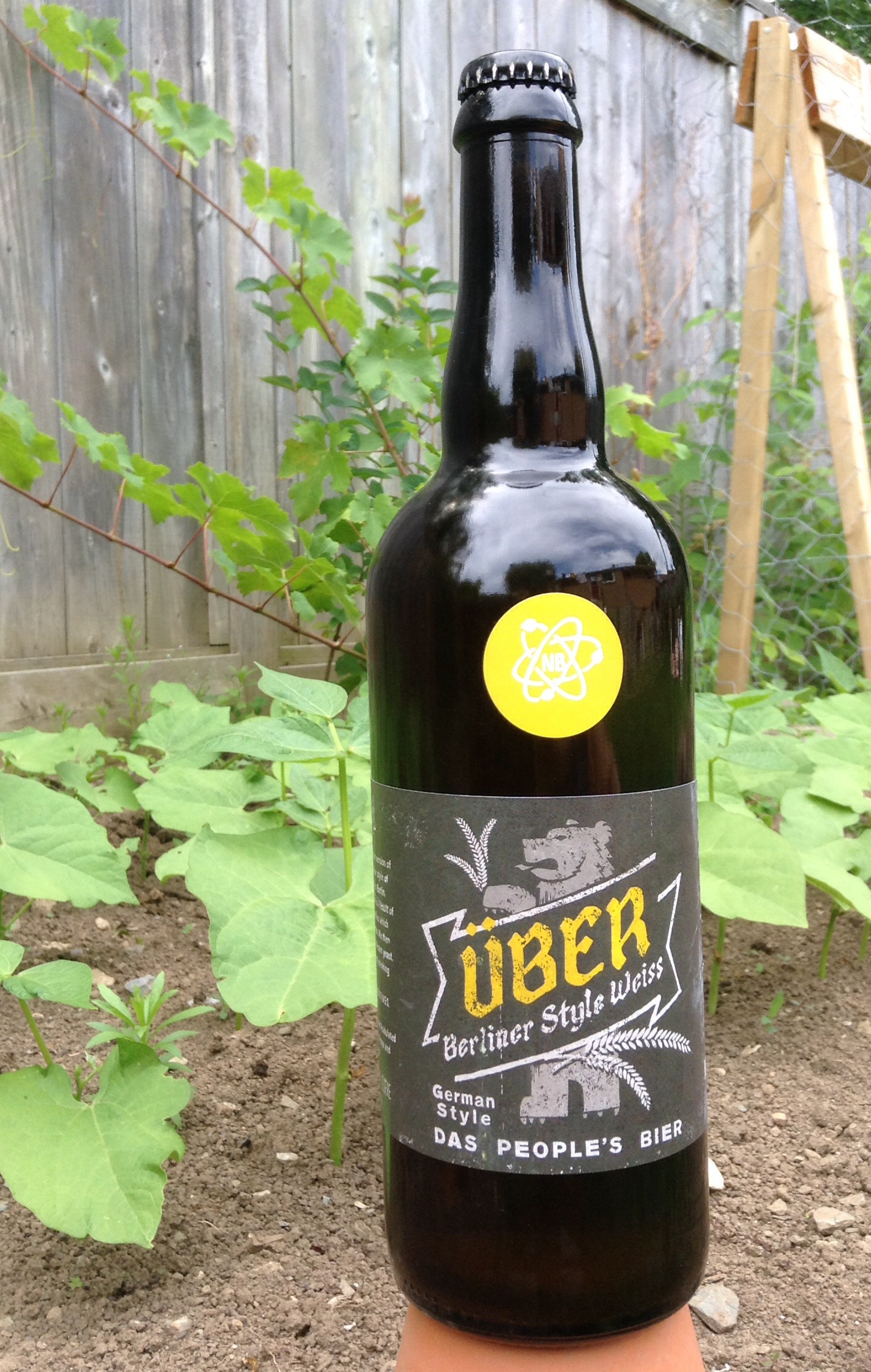
uberWhat a minefield this beer presents me. Not only do I know and like the brewer but his mother lives nearby and his auntie works where I do. How could I possible give an opinion unbouyed by positive thoughts? Then again, it’s not like I am all Jim–junkety or anything. No need to stop using the bathroom mirror. Then, besides that, there is the question of what others might think of me – which can be odd and disconcerting – not to mention likely wrong. How dare I try something not conservative? But more importantly, what does it mean about this style? What does this beer in this place and time mean?

You will recall the the best expression of what style is was Jackson’s first go at it, before he went bad Aristotelian creating the mess we live with today. Originally, a style of beer was stylized after an example, a great beer. I think it is fair to say that practically speaking that example is the Weihenstephen Berliner Weiss I wrote about for Session 19 – if for no other reason that for a long while this was the only example you were going to lay your hands on in North America. That is until micro went craft. So, is this homage or dommage to the style? Should I care?

The beer pours an effervescent clear light gold. No head at all. On the snort, you get apple cider and cow poo of the nicest kind. In the mouth, a light and lightly astringent texture holds flavours of apple, meadow grass, minerals like a good Mosel, fresh lemon juice, a little cream of wheat like a good gueuze and a little little something vegetative like fresh cabbage or cauliflower. A really lovely sipper and at 3.8% a beer you can sip for a good long time.

What a relief! No ethical qualms!! Priced at $7.95 for 750ml, this is about twice as much as the brewers hefty IPA Headstock, one of the best values in beer in Canada. The BAers give it lots of positivitay… which is good.

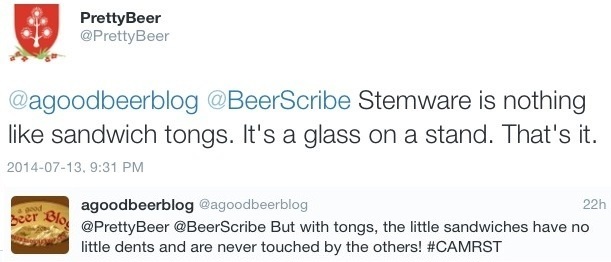
Al And Max Theatre Presents: “Sandwich Tongs!”

paulsbar2

The scene: It is later in the afternoon on a Saturday in summer. Alan sits on a stool hunched at the dark end of the bar back near the hallway to the bathrooms. His face is bathed in the blue glow of the iPhone screen into which he stares. The bar room is busy but he does not notice. Only his fingers move across the little screen. An nearly empty pint glass sits by his right hand.

BARTENDER: Another?
ALAN: Sure, Curator. Same again. Large glass, please.
BARTENDER: (pours beer sets down pint glass two thirds filled) Remind me why do you call me that?
ALAN: (looking up) You don’t really care, do you?
BARTENDER: Not really. Just makes you sound a bit weird and pompous.
ALAN: (face in screen again) Better me than you, brother… (mumbles to himself as he thumb types) Sandwich tongs! Yes! That’s it. (makes little snorting sound.)
BARTENDER: What?
ALAN: Nuttin’.

Alan sits up, stretches and drains half his two-thirds of a pint of something strong and brown and Belgian.

ALAN: Was Max in today?
BARTENDER: (pausing to think for a second) Nope. Not that I can recall.
ALAN: (draining half remaining half of his two-thirds of a pint, digging for his wallet) Who’s playing tonight?
BARTENDER: Against El Glorioso?
ALAN: Yeah.
BARTENDER: No idea.
ALAN: You, you are a beautiful man… (stands up, drains his glass) Catch you later!

Exit
CURTAIN

Session 89: A History Of The Hop And The Malt And The Beer…

sessionlogosmIt’s that time again. The monthly edition of The Session. Beer blogging boys and girls gather ’round the coal fired ISPs throughout the world to share their thoughts on a topic. This month our host is the Pittsburgh Beer Snob who writes:
At many points in history you can look back and find alcohol intertwined. A lot of times that form of alcohol is beer. Beer is something that connects us with the past, our forefathers as well as some of our ancestors. I want this topic to be a really open-ended one. So, it should be fairly easy to come up with something and participate. If you were among any readers I had when I posted most of the time you have a very good idea of where I might be going with my post when the time comes. The same doesn’t apply to you. Do you want to write about an important beer event with great historical significance? Famous figures that were brewers? Have you visited an establishment that has some awesome historic value? Maybe a historically-themed brewpub? I wouldn’t be surprised to even see a few posts on Prohibition. It doesn’t really matter when it comes to history!

History is good. I am actually of the opinion the best histories of beer and brewing are yet to be written. But I also believe the best beer writing, thinking, constructs, descriptions and criticism are all a fair ways off, too. We wallow in times of self-satisfaction. Would you just look about you at the works so far, Ozzy?

Anyway, that being or not being the case, what to make of the state of brewing history? I have written a bit of my bit to be sure but I am still not satisfied. I have come across beer in the Arctic in the 1570s, the 1670s and the 1850s. Fabulous facts. Beer for those living on the edge. Why? Because it kept them alive. Happy and alive. Billy Baffin, that giver of what I think the most Canadian surname, on his fifth voyage in 1616 got into a real pinch and had to hightail it to an island off Greenland and make a tea to keep he and his crew alive:

Now seeing that wee had made an end of our discouery, and the yeare being too farre spent to goe for the bottonie of the bay to search for drest finnes ; therefore wee determined to goe for the coast of Groineland to see if we could get some refreshing for our men ; Master Hei’bert and two more having kept their cabins above eight days (besides our cooke, Richard Waynam, which died the day before, being the twenty-six of July), and divers more of our company so weake, that they could doe but little labour. So the winde favouring us, we came to anchor in the latitude of 65° 45′, at six a clocke in the evening, the cockin eight and twentieth day, in a place called Cockin Sound. The next day, going on shoare on a little iland, we found scuruy great abundance of the herbe called scuruie grasse, which we boyled in beere, and so dranke thereof, using it also in sallets, with sorrell and orpen, which here groweth in abundance; by meanes hereof, and the blessing of God, all our men within eight or nine days space were in perfect health, and so continued till our arrivall in England.

God is good, indeed. Beer is a bounty that is provided to us for health and joy and the lessons of history prove it. Yet, history also proves the wages of not only drunkeness but seeking out the best and brownest. Beer is neither benign or neutral but a powerful tool. That is what history teaches us. It can trace empires for us. Fortify a frontier. Collapse a region. Give hope. And bring despair.

Considering The Role Of Ale On This Canada Day

canadaday

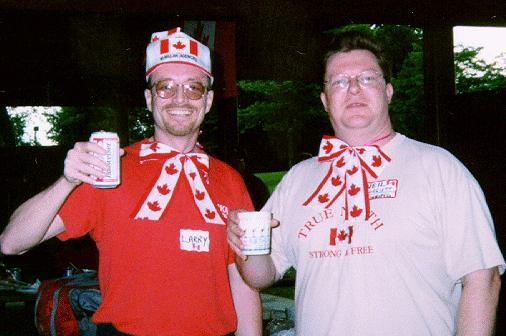
Nine years ago, back around those heady days of political blogging, I wrote a series of posts on a fictitious Atlantic Canadian separation movement focused on a mde-up new capital called Tantrama City. One post set out details of the Canada Day celebrations under the new governmental order and featured the photo of Neil and Larry above. I have no idea who these guys are but I love it. It may be the most Canadian image I have ever seen. The nutty bow ties in the national colours, Neil’s boring earnest shirt and Larry drinking a Bud. And the fact they don’t give a crap and are just having a good time.

Is there a Peru Day or a Norway Day? Canada Day is such a politely bland concept but, this being a confederation with lingering prickly regional identities, it suits us. We are the country that cancels recreations of historic events. Why recall past unhappinesses? What we remember in particular is the formation of one semi-autonomous colony out of three in 1867 (or was it four… Canada was sort of split into Canada East and Canada West but had formerly been separately Lower Canada and Upper Canada from 1791 to 1841), two of the invitee colonies not joining in until six (PEI) and eighty-two (Newfoundland) years later. My particular part of the nation remembers the events with mixed emotions.

So, on this we day celebrate the fourth version of Canada after the one that was otherwise a bit chunk of New France up to 1760, then the one with the Upper and the Lower, then the one that didn’t work from 1841 to 1867. And maybe the one from 1763 to 1791, too. OK, maybe this is the fifth Canada. Most of all we recall the man who is attributed with bringing the four colonies together, Sir John A MacDonald. Larry and Neil might well have been making a joke or two about him – as the founder of a large part (but not all) of our current constitutional structure (yes, it is a bit messy) was a bit of a drinker. A bit of one. Consider this description of one of the planning sessions from the pre-Confederation years:

“…The Council was summoned for twelve and shortly after that we were all assembled but John A. We waited for him till one – till half past one – till two – and then Galt sent off to his house specially for him. Answer – will be here immediately. Waited till half past two – no appearance. Waited till three and shortly after, John A. entered bearing symptoms of having been on a spree. He was half drunk. Lunch is always on the side table, and he soon applied himself to it – and before we had well entered on the important business before us he was quite drunk with potations of ale.” But, after two and a half hours of debate, the wound up their discussions of the constitutional changes and agreed on the course to be followed…”

So, we are a nation imagined and brought into being by a drunk. That is the story we are told. Historian Ged Martin in 2006 published this detailed study of the record of Macdonald’s drinking patterns which both confirms the fantastic level of consumption, his personal struggles as well as the possible causes. It is a very sympathetic piece. If they read it, I am sure Larry and Neil would like him more… and raise another beer to the nation imagined mid-spree thanks to potations of ale. They’d probably raise an American one come to think of it. But only if it was the nearest one. We are not that fussy.