The Thursday Beery News Notes For The First Of April

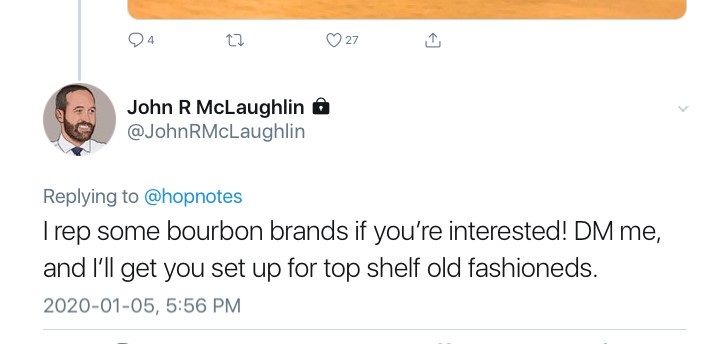
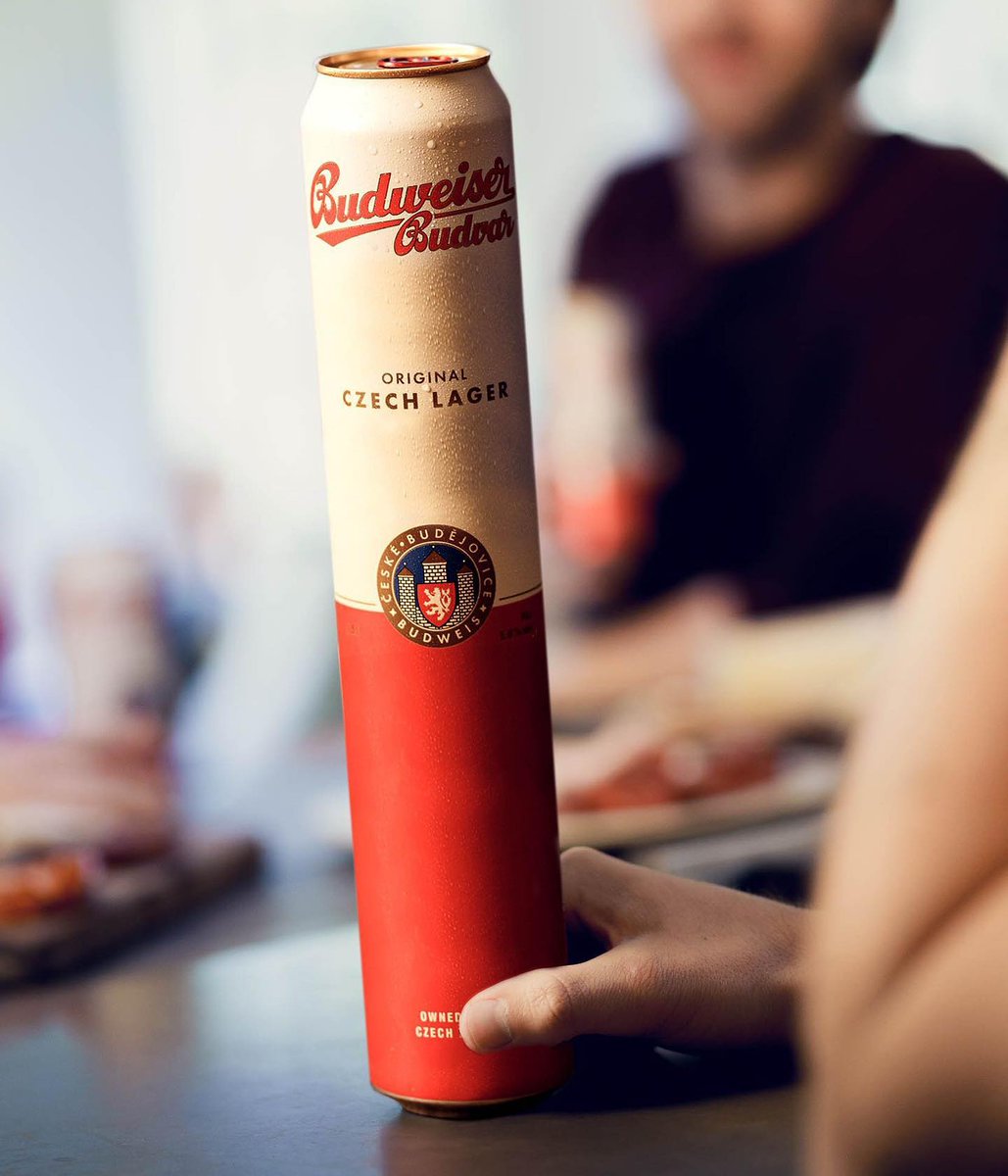
Here we are. Real spring. No more frozen nights on the forecast. Brussels sprout seeds are in some soil.  The cardoons are up. Cardoons? Yup, cardoons. Four foot tall edible thistles, a Victorian veg. Harry Dobson would be proud. Still rather insulated from the exterior world by my convalescent state but I am assured things are progressing as they should. It was April Fool’s Day last Friday. Best beery April Fools? This is my candidate. Silly but also somewhat restrained. What people might have actually asked about having once in a while, as a joke… as a… what… treat? A good brand making fun of itself. That’s a good thing, making fun. Like this! Fun!

Now, enough of that. Time to get serious. First up, care of Merryn, we learn that the BBC has reported on a Roman brewing site found in England, with speculation that it was actually only a malting with suggestions of a rather complex brewing industry:

Archaeologists have identified evidence of 2,000-year-old beer production at a site of a road improvement scheme. The remains of a Roman malting oven and charred spelt grains were found during digging in Bedfordshire, as part of the proposed work on the A428 between the Black Cat roundabout and Caxton Gibbet. Experts have analysed the grains and said they suggested people who lived there were involved in making beer…”As large quantities of grains are only allowed to germinate when the aim is to produce malt – the first step in the brewing process – this strongly suggests the people living at the settlement were involved in beer production,” a Mola spokesperson said.
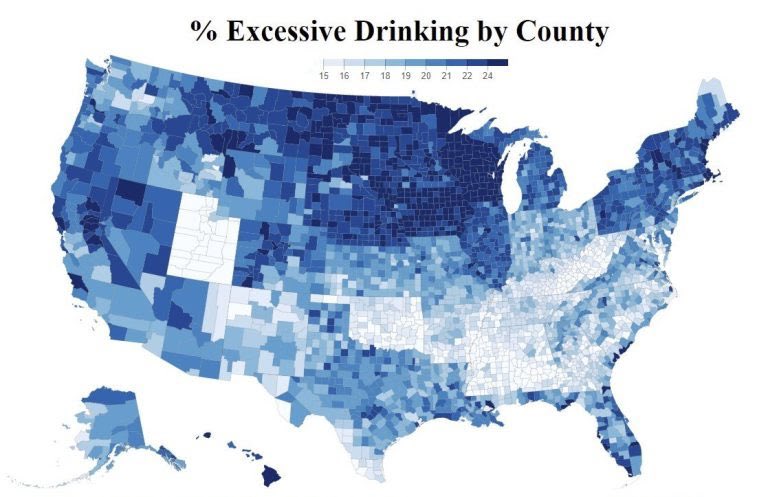
Some serious neato going on there. Also neato? A map! This is an interesting info graphic. Who asks this question? I suppose health professionals. Utah makes sense but look at the dividing line between West Virginia and Pennsylvania. The Florida panhandle and Alabama. Why? I have not idea. I am Canadian.

Pellicle posted one of the best articles it has ever had its hands on this week, a tale of tall ales titled “I Want To See Mountains Again — The Banked Beers of Teesside, North East England” by Reece Hugill:

Half-full glasses are pulled from the bar-back fridge, topped up feverishly from the hand-pull. Placed in front of me are two ridiculous looking pints of ruby-red cask beer. Foam cartoonishly mounded a full four inches higher than the brim of the glass. Wobbling and bubbling, alpine peaks and whips of pure white…

…The pints of Bass at the Sun Inn are magic. It’s a beer I usually don’t even like, but when banked, the beer seems to change a tiny bit. The fluffy head brings out a little more bitterness, the body is mellowed into something less vaguely malty and brown, into something soft and clean, like, perhaps, an unusual dunkel lager…

Excellent. You could do this with an Olands Ex back in college but it was a matter of pouring the bottle yourself.

Lars posted a really good thread about Christmas “sugar beer” for children in Norway including this fabulous if fairly frightening fact:

This newspaper article is quite illustrative. Headline: “The favourite beer of the kids.” They use 3kg sugar for 20l + 1/2 cup of malt extract. If you ferment it out fully that’s 8% ABV. No wonder “the kids prefer this to any soft drink.” Prob not 100% fermented, but still.

Question: is this a new technique? Holding some of the dry malt in a dry aromatic barrel?

In the increasingly vibrant world of beer related litigation, we have (care of Mike Kanach, Esq.) learned on one Mr. Parshall “who does business as Sports Beer Brewing Co. that is operated through a website” – court said this about his business:

Parshall is required to transfer to the university all Internet domain names containing a portion or derivative of Penn State’s marks. He also is to transfer sportsbeerbrewing.com so it ceases operation. The injunction prevents Parshall from engaging in any conduct that would cause consumers to erroneously believe his goods and services are authorized, licensed or affiliated with Penn State.

That is just weird. Took a university’s IP and put it on a beer can. In 2017 he did the same thing with Purdue and another judge did pretty much the same thing. Self-represented. Weird.

Not as weird, Stone now seeks a permanent injunction despite the Keystone brand lords announcing a remake after five years. With any luck they’ll find a new way to jerk Stone around. And mid-weird, the little and large tale of BrewDog and the not quite hired consultant* continues and even made The Times of London. This passage neatly captures the two aspects which have confused me:

Allan Leighton, BrewDog’s chairman and the former boss of Asda, has accused Hand & Heart of “amplifying attacks” on its management team and has declined to take part in a proposed reconciliation programme. In a letter to Kate Bailey, Hand & Heart’s managing director, Leighton said he was concerned about a platform that had been set up for BrewDog workers, claiming it was “encouraging participants to submit malicious content . . . The unavoidable impression is that of H&H charging the company to extinguish a fire it is fuelling itself.”

On the other hand, BrewDog apparently continued to shoot itself in the foot without the assistance of others, rolling out a quote from the consultant that they did actually hire… only for that consultant to point out they never said any such thing. Weird.
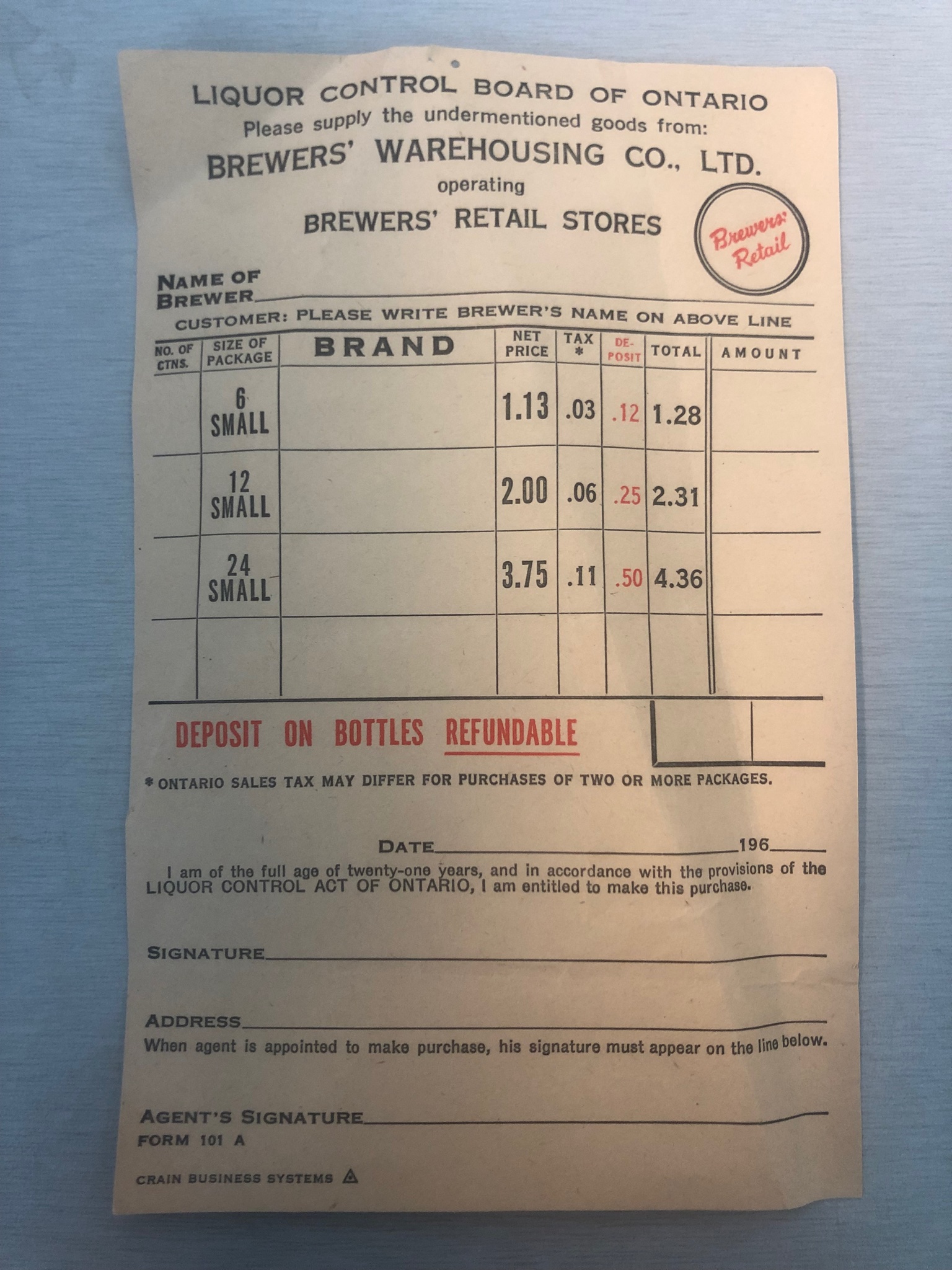
This was a fabulous find as posted on Twitter by Mr. S. Smith, a mint 1960s form to fill out and pass over the counter at a Brewers Retail store in Ontario. A buck twenty eight for a dink pack.  Until 1969, you had to give your name and an address to get your beer. Presumably you filled out the last line by hand if you were buying quarts. Crain Business Systems must have made a killing on this contract seeing as this was the only way in Canada’s biggest province to buy beer outside of a sit down establishment.

Finally but fabulously, Beth published her latest edition of Prohibitchin’ (sign up here) and featuring (i) Ashley Johnson and Jasmine Mason bringing cider to Philadelphia along with first (i) this bit of local slang they had adopted in their business’s name – The Cider Jawns:

“Jawn” /jôn/: Philadelphia slang that’s used as an all-purpose substitute for literally anything—a singular or plural person, place, thing, or event that can’t be specifically described…

Jasmine and Ashley are having the time of their jawns. Or is it the jawn of their lives? …“We looked around and a lot of the attendees were women, but there weren’t a lot of women of color as vendors,” explains Jasmine. Ashley agrees, noting that while there wasn’t much diversity in vendors, there were plenty of Black women and other women of color enjoying themselves as attendees. The discrepancy spurred them to action. “We were inspired to take something we enjoyed and bring representation of women of color to the hard cider and brewing industries,” says Ashley. They launched their Cider Jawns Instagram shortly after to “share our cider journey and take our community along for the ride,” she says.

There. Blame all the errors on the meds. For more, checking out the updates from Boak and Bailey mostly every Saturday and from Stan every Monday, plus more with the weekly Beer Ladies Podcast, and at the weekly OCBG Podcast on Tuesday and sometimes on a Friday posts at The Fizz as well. There is a monthly sort of round up at The Glass. (Ed.: that seems to be dead now.) There is more from DaftAboutCraft‘s podcast, too. And the Beervana podcast. And sign up for Katie’s irregular newsletterThe Gulp, too. And check out the Atlantic Canada Beer Blog‘s weekly roundup. Plus follow the venerable Full Pint podcast. And Fermentation Radio with Emma Inch. The AfroBeerChick podcast as well! And also look at Brewsround and Cabin Fever. And Ben has his own podcast, Beer and Badword (Ed.: …notice of revival of which has been given)  And remember BeerEdge, too, and The Moon Under Water.

*Example: I don’t have a clue what this means. Or this.

The Last Beery News Notes And My Golden Pints For 2021

Well, it’s been a bit of a napping sort of time, these last few days. Not much going on. Can find enough to cut and paste enough together to come up with enough beery news notes? Between an increased lockdown and the general Yuletide slowdown, it’s been very quiet. And New Year’s Eve is tomorrow. What to do? What to do? Research canapés and hors d’oeuvres of course! I’ve started my prep and even recommended a resource as shown to your right (Ed.: to my left), a copy of  which you can download for free here. Scotch Woodcock is looking interesting. Scrambled eggs with a little anchovy on tiny toast. Yum.

Is there any beery news or other beer writing to report upon? Jeff Alworth wrote one of the most detailed and slightly obsessed year in review posts which is, one the one hand, clearly a bunch of links to stuff he had thought about and written about throughout the year but, on the other hand, obviously a fabulous summary of all the stuff he had thought about and written about throughout the year! Summary of his summary?

It was a transitional year, but also one that never got out of second gear. Things went back to a kind of new normal, but nobody has been very happy about what that looks like.

Yup. But at least he got to do a US National Grand Tour and updated many fine thoughts and observations as a result. Good stuff.*

Also, Gary Gillman* posted the inordinately and perhaps unnecessarily formally titled “Index to Gary Gillman’s Writing on Porter and Stout” which is a fabulous resource. I would say Gary has had his best year of beer writing. His research on Jewish Breweries of Eastern Europe before the Nazis is one of the most remarkable things I have ever read under the guise of beer writing. Just look at his fabulous post “Hops of Galicia, Beer of Lopatyn” published in mid-November and then look at the twenty or more posts he has written in the weeks between then and now. Blogs dead? Nope, you just fell asleep.

And it is wonderful that Katie‘s piece on the modest dinner roll… bun… bap… was the #1 read piece on Pellicle this year. It’s probably the reason I started supporting them on Patreon. It’s the sort of quality writing that keeps me supporting them. Hope she put the old plates of meat up on the old pouf.

In more newsy news, apparently during these summer months in Australia, drinking beer too quickly is a bad thing:

It used to be a famous sight of the Australian cricket summer – former Australian prime minister Bob Hawke skolling a beer during the New Year’s Test at the SCG. But if the late Hawke skolled a beer at the MCG during the recent third Ashes Test, he would have been among many fans to have been ejected from the venue for drinking their alcoholic beverage too quickly. During the three days of Australia’s thrashing of England at the famous Melbourne stadium, countless cricket fans were booted out for skolling their beers.

There. Your beer word for the week: skolling.

Note: the new 2021 BJCP Style Guidelines are out. The beer I am having right now is excellent and breaks the rules. Table Saison by Meuse is only 3%. No one cares. And that $2.43 is a nutty price. 

And without further ado… well, perhaps a bit of fanfare… I give you…

My Golden Pints For 2021

Favourite new Ontario beer: I thought this was going to be easy after I tweeted this earlier in the month:

Holy crap! Why has no one screamed at me about Sklepník from @Godspeedbrewery? This is one of the best beers I have ever had. Constrained, bread crust malt, herbal, even creamy. Wow. And “sklep” means shop in Polish so that’s totes cool. Shop beer. 

Definitely Skelpnik… but then I had my first Meuse 8 yesterday. So it is a tie. I have not been on side with Jordan’s longstanding claim that this is a golden age for good beer. It is, however, now clearly a golden age for beer in Ontario.

Favourite Old Beery Friend: Peculiar Strong Ale by Granite Brewing. I’ve written about my youthful 1980s in Nova Scotia before, in 2008 for the 15th edition of The Session and again in 2017 when I wrote about a dusty business case study of the Halifax bar scene. for I am not going to be one of those dinkledorfs who will pretend to be able to tell you it does nor does not taste the same but it is very nice to be able to pour a beer that was poured for you around 35 years ago at the time when, in addition to some fine regional breweries and a raft of imports, the Canadian microbrewing scene was taking off.

Best Pub Experience: none.

Best Song About Beer:Chaise Longue” by Wet Leg. This song is an NPR favourite but what hasn’t been pointed out quite clearly enough is that it is really a song about beer… or at least what goes on that chaise longue:

Hey you, in the front row
Are you coming backstage after the show?
Because I’ve got a chaise longue in my dressing room
And a pack of warm beer that we can consume

Beer song. 100%. Also the best song of 2021 if anyone is asking…

Worst Continuing Trend That Could Just Die: bland samey cartoons with a vaguely positive spin but an underlying tisk of one sort or another – oh and blobby graphics accompanying digital beer ‘zines.

Best Book about Beer: none… bad year for  beer books… though if I had access to more modern British Beer I would likely be happy to recommend Modern British Beer by Matthew Curtis* as a useful guide to my options. This illustrates the ups and downs of more localized beer markets – aka more normal beer markets.

Best New Voice: Probably just new to me. David Jesudason in Pellicle with “Desi Style — The History and Significance of England’s Anglo-Asian Pubs” and “On Bat and Trap, and Finding A Sense of Place in Rural England” both articles gave me a window into place and time. I have also obsessed over Bat and Trap coming on 15 years.

Best Trend in Beer: home delivery continues to be wonderful. Right in front of me as I type these words is a door in my basement to a cold room. There are portions of boxes of beer in there from Matron, Godspeed, Meuse, Leftfield and Stone City for present drinking and gift giving to the neighbours. All brought to my house. Half the time for no shipping if you know when and what to order. Fabulous.

Best Beer Blogger: one stands above all year after year – John Duffy of The Beer Nut. Why? Constantly top  quality writing by an encyclopedic and independent bon vivant, all offered with both sharp wit and a healthy slice of what I can only call humility. He will maybe laugh at me putting it that way but there is sort of decency and humanity that comes through… even when tearing a strip of something. He truly likes the brewing world and those who work in it. Rarely drops a name but highlights what they offer us all. If anyone sets the tone, it’s your lad, John. Drunk Tand agrees.

Best Imported Beer: The LCBO, our government store, brought in bottles of Timothy Taylor’s Landlord this fall and I like it. I have had it on tap when visiting the fam and I like it just fine in the bottle, too.

Biggest Waste Of Effort: either making or writing about pickle beer.

Best Beer Project: I know that Boak and Bailey awarded this their “Blogger of the Year” award but I think that is too narrow, perhaps a mislabeling. A History of Brussels Beer in 50 Objects by Eoghan Walsh is one of the best projects anyone who thinks at all seriously about beer has tackled in years. It is a book being writing before your eyes on a weekly basis. It is a draft of a TV script for a documentary shown on Belgian TV in 2026.

A final note. Many folk have given up on awarding this year’s beer best awards as part of their general abandonment of good writing about beer. What is up? It does seem like a point of pride with some beer writers that they don’t actually write all that much any more. As Stan got me thinking about this when he wrote his thoughts this week:

I realized as the lists started to roll out in recent weeks that I miss Bryan Roth’s annual effort to add objectivity to subjective choices. I’m too lazy to do something similar, but I did start saving lists a while back with the idea of posting them here in one giant listicle of listicles. Then I came to my senses.

And what is too often written is spun, formulaic or, worse, apologists. “The Five Best Beer Bars in Sarnia.” Lists of beer related presents at holiday time. 40 word beer reviews for throwaway advertising fliers posing as weekly community newspapers. Short, scripted lines for their 37 seconds on TV explaining this beer or that, those 37 seconds before the host laughs unkindly and moves on.  It’s sad that this has happened – and frankly a bit embarrassing in a lot of cases – but I figure it’s better to find something else to do like write trade PR if you have nothing much actually interesting to say. Happily there are other far brighter lights to follow and more new voices showing up regularly. I am happy to help you find it… if that is what I am doing on this site.

Oh – and by the way – one more thing… I have created another thing. A Patreon site. Not necessarily to make any money so much as to create a micro site to experiment with. Honestly, I will probably use any money raised to give to others via Patreon. The micro site is getting populated with content as you read this. Well, right around now. Yesterday for sure. I think you can find the Patreon page here. I tried to make it as cheap as I could but $1 a month is not recommended so I went with $3 USD, $4 CND. One price. All in. Stop by or don’t. I won’t judge you. Maureen** is clearly on board.

There. Welcome 2022 and to Hell with you, 2021! Even though it gave us the vaccine roll out and proved once again that humanity can pull its boots up and get things done if it puts its mind to it. OK, 2021 wasn’t so bad. Remember 2020? Now, that one sucked. While you think on that and plan your Friday evening snacks, please please check out the updates from Boak and Bailey mostly every Saturday and from Stan every Monday, plus more with the weekly Beer Ladies Podcast, and at the weekly OCBG Podcast on Tuesday (except when they check out like they have for the last two weeks) and sometimes on a Friday posts at The Fizz as well. There is a monthly sort of round up at The Glass. (Or is that dead now?) There is more from the DaftAboutCraft podcast, too. And the Beervana podcast. And sign up for Katie’s weekly newsletterThe Gulp, too. (That’s a bit now and then now.) And check out the Atlantic Canada Beer Blog‘s weekly roundup. Plus follow the venerable Full Pint podcast. And Fermentation Radio with Emma Inch. The AfroBeerChick podcast as well! And also look at Brewsround and Cabin Fever. And Ben has his own podcast, Beer and Badword (which he may revive some day…)  And remember BeerEdge, too, and The Moon Under Water.
*We have never met and neither of us owes the other money.
**TO my horror, when cleaning up and getting masses of paper files out the door and to a professional shredder, I realized I owe Maureen a modest sum for a project I dreamed up years ago that went absolutely nowhere. I found the envelope she sent her cheque in. Post marked Iowa. I am embarrassed. I need to make amends.

The Very First Thursday Beery News Notes For The Second Half Of November 2021

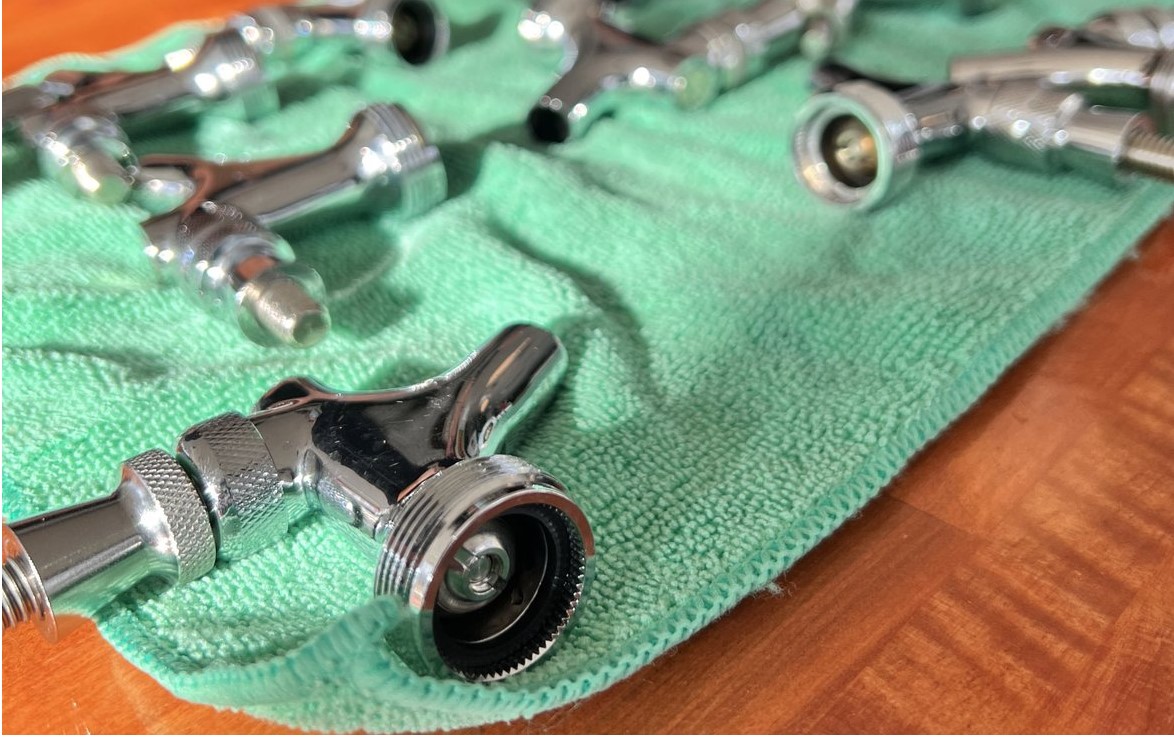
I like this image above. It is a bit of an edit off a photo from Great Lakes Brewery off the north shore of Lake Ontario (as opposed to the one to the south of Lake Erie). Depth of field hit very nicely. Gran’s hand towels being put to good use. And clean lines every day. Best practice. Speaking of which, let’s see what else is worth noting in another week in the life of good beer and related stuff, shall we?

First off, Katie Mather wrote a very interesting piece of these times about a trip to sip natural wines in Paris which was as much about herself:

I ended up at Notre Dame every day I was in Paris. The resilient aura of a burnt-out cathedral was something I hadn’t been prepared for. I stared, making excuses to pass by, marvelling at the Medieval-like wooden supports bolstering the flying buttresses just like when they were new, wrong-footed by the stained glass rose window I had first seen in a Disney film, now blackened with soot. A dark emblem of survival—or perhaps a reminder of how close it has been to ruin, of being rescued, and still being rescued, and maintaining that iconic but now fragile facade. I was unwell, and I found a hand to grasp in the sight of this building. It seemed as tired as I was, of holding itself up, of being under so much of its own weight.

I am a bit interested in natural wine as I’ve known for a long time that I’m fairly sensitive to sulphite-based preservatives. This has been brought a bit into focus in the last few months as I am working on an intermittent diet that sees me weeding certain things out of my diet. Turns out I also have a problem with wheat and barley. Like a glass of red wine, good crusty bread triggers a histamine reaction. As does… beer. Weeping eyes. Inflammation. Drag. But manageable.

UPDATE: ghost tips over beer!

In his blog by email, Dave Infante took a very grim lesson from the Bell’s Brewery sale:

Remember early last decade? Selling out was anathema, and the U.S. craft brewing “movement” looked unstoppable. Now it’s starting to look insolvent. Sales are slowing; reports of workplace discrimination are up; a generation of new drinkers are reaching for hard seltzer and canned cocktails to power the party. In a 10 mere years, craft brewing’s rock-ribbed corporate antagonism has given way to self-imposed purity tests and fading relevance. In the same time, its product has morphed from zeitgeist-y leader to cheugy afterthought. Craft beer remains a product with a value proposition. But make no mistake: a dark night of the soul has fallen on its anti-commodity, independence-over-everything cultural dogma.

He’s probably right. Craft sucks. Right? Or is it “craft – doesn’t suck!” Can’t remember. Never mind – just remember who was calling craft “cheugy” back in May. The cool kids, that’s who.

Gary Gillman has been doing a fabulous job exploring eastern European brewing history with a focus on the role of Jewish culture. This week he wrote about  hops:

Hop-growing in the former Austro-Hungarian province of Galicia was an established but relatively small-scale business up to World War I. Prior to 1850 one source, Penny Cyclopedia (1838), states “a few hops” were grown, a cottage industry at best. By 1879 hop-growing is on a more solid footing. The Journal of the Society of Arts was particularly approving of quality, stating at their best Galician hops could hardly be distinguished from classic Bohemian Saaz.

Speaking of things easterly, here’s your Belarus update: still finding myself filling the hours at home rather than sprinting out into the local upsurge in the delta, I came across a video blogger who rides the rails of eastern Europe looking for former Soviet things to talk about. In this episode, it’s about five beers from five cities in Belarus.  Half seem to be gak. It is an interesting way to turn to Jeff’s thoughts (which we may have discussed before) about nationalism being the way to understand beer:

In the 44 years since Michael Jackson wrote The World Guide to Beer, people have become much more sophisticated in the way they understand and describe our favorite malty substance. The subject is incredibly complex, and over that span we have collected, classified, taxonomized, and shared information, refining what we know along the way. This effort has produced a shared (if disputed and endlessly debated) vocabulary and conceptual framework for discussing beer. For the most part, people have identified and developed the big concepts and we now focus on refining them. I was therefore surprised to discover a huge dynamic in beer that hasn’t gotten the classification/codification treatment: national tradition…

There is a lot in there to disagree with – that the subject is incredibly complex or that big concepts have been identified. Or that people have become more much more sophisticated. Consider this on that last point. But it is a reasonable additional way to look at a subject mired for a few decades in one fixed conceit – style. It is reasonable to have a number of ways to look at one thing to cross reference and improve understanding. But it is hampered by words like nation and culture that are greasy and malleable. Nations shift and cultures morph. Consider the political and cultural constructs just in Gary’s post above. And the concepts are prone to being coopted. Me, I am more of a globalist technology and trade story arc person myself.  But that is another way of looking at things in addition to style and national tradition, isn’t it. No good comes of the unified theory approach except perhaps in physics. Maybe.

I raise all this by way of background as this week, Stan wasn’t entirely on board with the nationalist construct or at least the rendering of it that made the era of craft special. He wrote thusly by way of counter example:

Last week, during the virtual portion of the Master Brewers Conference, Greg Casey discussed “The Inspiring Histories & Legacies of American Lager Beer.” Casey, who worked for several of America’s largest brewing corporations before retiring in 2013, is writing a trilogy of books that focus on the period between the 1840s and 1940s. He points out that America gave the world “ice cold beer here!” Americans learned about brewing adjunct lagers from the Germans, but made them their own. They perfected chill proofing, allowing beers to be served crystal clear even when cold, changing the look of beer and the culture of drinking beer.

See, this is why we have all those facets of a topic. Like history. See, America did not give the world adjunct beer after receiving them from the Germans. The Germans handed it around themselves as part of their global mercantile and military empire from before the First World War. For example, Germany took over the “port city of Qingdao in north-eastern China in 1898, and ruled over it until 1914” and established Tsingtao beer. See also Argentina. As Boak and Bailey explained in Gambrinus Waltz, they also brought it to Britain. In Japan, a German trained Norwegian (who did admittedly touch down in the USA) founded what is now Kirin. In a bit of a twist, in the 1920s rice-based adjunct beer took off in Canada, to sent it the other way sending it south into the US black market during American prohibition.* Americans then took it with them where they went and often stayed. All of which leads me to think that while nationalism may not be the right unified theory, the paths of nations and the interacting influences upon them may as important as the history of technological advances if we are to understand why beer is what it is.

Speaking of beery culture, the local version got weird this week. I have to admit, I used to drop in at the place a few years back as it was handy to my ride home from work in the family car. Small pitcher of basic adjunct lager and a basket of onion rings was my order.

In a more sensible context, retiredmartin prodded me to read this post from the blog Prop Up The Bar which I liked for a number of reasons but especially the man on the street view:

As I arrived the gaffer was on the phone making a very angry call, his mood not improved by muggings here standing underneath the ‘table service only’ sign at the bar. During his phone call he threatened to “just shut the pub” which would have made this an epic pub ticking fail. Not sure what had upset him so much, but looking at my picture maybe he was on the phone to the company that looks after the shutters.

See also Lord Largis illustrating the “non-tick”:

I hadn’t eaten properly and as the bus approached the Hussey Arms I remembered how good the food is in there, but I’ve been spending too much on takeaways and meals of late and I’m trying to cut this cost down. I had an R Kelly lyric pop into my head. “My mind’s telling me no, but my body, my body’s telling me yes”. But as it was now dark and I wasn’t overly convinced that I knew where my first pub to visit was, my mind won and I remained on the bus.

I like that clarity of the vignette. Much uncertainty, conversely, surrounds a news release that informs us that two of Ontario and Canada’s best established craft brewers have done a form of a deal focusing on efficiencies in distribution. Trouble is… it seems to be more than that. As Jordan stated:

Getting increasingly angry about this entire set of messaging and the general level of competence. Insulting to everyone’s intelligence to dangle the shiny thing at exactly the same time as letting the majority of staff go.

Ottawa’s news source The Review had more on the background:

“I can confirm that layoffs took place today, but they are largely not related to the Steam Whistle announcement,” said Beau’s spokesperson Jen Beauchesne, in a Tuesday afternoon email to The Review in response to an inquiry about the layoffs and the Steamwhistle announcement. Most of temporary layoffs which occurred this week are because Beau’s is slowing down production, while the company does maintenance work on its lines and brewing tanks, said Beau’s co-founder and Chief Executive Officer (CEO), Steve Beauchesne. “We have been having some fermentation issues,” Beauchesne said. “We need to empty the tanks and do a deep clean.”

Questions have arisen but, look, the Beauchesnes are family brewers from a small town in far eastern Ontario and (a rarity) I happily call them friends. They are great fun folk who I’ve had over to the backyard and who’ve had me to their fests. The times, however, may not be kind and if the business changes coming are greater than they are in position to discuss today, I can only wish them and their community the best.

B.O.B.** of the Week:  Mr B on a rather good brewery in his neighbourhood. The denial of standard B.O.B. context at the outset is an interesting variation on the brewery owner bio.

Finally: “Man driving 870 miles in world’s smallest car” – not about beer but, still, please send your 500 word essays as usual on how it is still like beer to the regular address to be entered in the context for our weekly prize of a photograph of a ten dollar bill.

That’s a lot. Busy week. For more, check out the updates from that same Boak and Bailey mostly every Saturday and from Stan now on a regular basis again every Monday, plus more with the weekly Beer Ladies Podcast, and at the weekly OCBG Podcast on Tuesday (where a parsing of press releases was featured this week accompanied by giggle, chortles and the mewing of cats) and sometimes on a Friday posts at The Fizz as well. There is a monthly sort of round up at The Glass. There is more from the DaftAboutCraft podcast, too. And the Beervana podcast. And sign up for Katie’s weekly newsletterThe Gulp, too. And check out the Atlantic Canada Beer Blog‘s weekly roundup. Plus follow the venerable Full Pint podcast. And Fermentation Radio with Emma Inch. The AfroBeerChick podcast as well! And also look at Brewsround and Cabin Fever. And Ben has his own podcast, Beer and Badword which may revive some day.  And remember BeerEdge, too, and The Moon Under Water.
*See The King v. Carling Export Brewing & Malting Co. Ltd., [1930] S.C.R. 361 at page 373.
**“Was ist eine B.O.B.? Das is eine B.O.B.!!” Translation: Brauereibesitzerlangweiliglichbiografie.

Your Thursday Beery News Notes For The Quietest Week of Summer

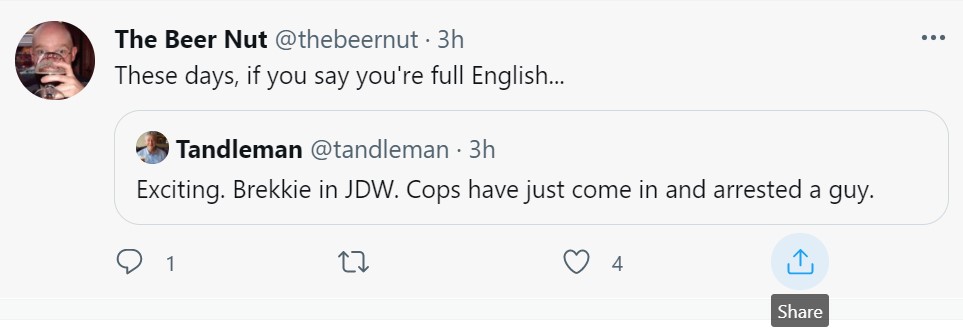
Crickety chirp chirp. Not necessarily in the beer world but certainly in this part of Canada. Holiday long weekend leading into the first week of a summer month? Everyone is gone. I am even holding the fort solo as others jump in a lake at a family cottage. O sole mio. Naps followed by long sleeps abound. Fortunately, the amusements never end in boozeland as the exchange above best illustrated this week.

First, take a moment this week to remember Florencio Gueta Vargas who died on July 29th in a hops field in Yakima County, WA. He worked for decades in the fields but was overcome by temperatures in excess of 100F that day. He leaves behind a wife and 6 children. Workers like Vargas endure conditions most of you would never accept.

Archivally, interesting news out of North Carolina:

We’re in the process of picking up a HUGE donor collection of national importance. A research collection and personal archive going back at least until the late 1970s. Historians of modern US craft beer history and brewers are going to drop their jaws as much as we have.

I know of one other particular private collection which would be likely mind boggling if released but these are the realities of this sort of hoardy hobby world.  The recipient of the donation of 20 boxes describes itself this way: “Well Crafted NC documents beer and brewing history in North Carolina from the breweries of the 1700s to the craft breweries today.” They are also colleagues in the same publication series that includes my two histories.  Likely need more of those sorts of landing pads created in more jurisdictions as a form of careful succession planning.

Not unrelatedly, Gary has written another fabulous post on aspects of eastern European brewing in the lead up and during WWII. This time it’s an interesting bit of research related to the hops trade up to early 1941:

…American cotton might be paying for hops ending in American hands… Such cooperation between Russia and Nazi Germany was not inconceivable. The 1939 Molotov-Ribbentrop Pact, a non-aggression treaty, was still in force between the two countries. It only terminated when Germany invaded Russia in June 1941… It does seem clear America imported no, or very few hops from Germany after the European war started on September 1, 1939. The Royal Navy imposed a blockade of Germany that was generally highly effective, for one thing.

Stan popped in this week for a few Monday musings on three topics. “Why We Drink” caught my attention:

A bit of context for the “hard seltzer is dead, no it’s not” flap. “How Big Beverage poured empty promises down our throats” (from The Goods at by Vox) barely mentions beer, but you can connect the dots.

The two points he highlights from the article (and you will have to go to Stan’s to find the link… bloggy etiquette must be observed) are (i) “we’ve created an entire category of ‘functional’ beverages that claim to have the ability to make us better in every single way, from our brains to our beauty” and (ii) “Instead of collectively admitting that we love drinks… we would rather fool ourselves into believing that drinks can fix us.” It’s interesting as the entire ethos of craft has been build upon personal improvement, a step up. But this is intentional as before craft was created as we know it today, micro-brewing was being led down the pervy and wastrel path. It needed cleaning up… but has it gone too far with, for example, the nutso health claims?

Beer law news? Bloomberg Law reports that Bell’s Brewery has settled a law suit in another copyright infringement situation:

Michigan’s Bell’s Brewery Inc. reached a confidential settlement of a suit alleging its “Deer Camp” beer infringes a “Deer Camp” coffee trademark held by hunting goods company Buck Baits LLC.

Note that the wording used is identical and the offended party may have deeper pockets, h/t MK.

Sir Geoff Palmer has been appointed Chancellor at Heriot-Watt University, home of Scotland’s great brewing college. I came to his writing through the human rights side first and, in particular, have enjoyed his use of social media to argue for a new interpretation of many historical Scots matters including many of the same figures whose names pop up in Canada, like Dundas and Picton. But, yes, he knows more about beer than any of you, too.

What else is going on in the world? I like these cardboard six-pack holder thingies from Norway, especially given the way the plastic ones are killing the planet:

The WaveGrip carrier has been developed in line with Berry Global’s Impact 2025 sustainability strategy, which aims to work with customers to help meet and exceed their sustainability goals. Each carrier weighs just 7.95g for a standard six-pack and is recyclable in most paper and board waste collection streams. Despite its light weight, it is strong and easy to use, while delivering excellent pack retention.

Note: “Excellent Pack Retention” was the name of my folk-punk band in the 1990s.

Not speaking of which, interesting to read that Anheuser-Busch InBev revenues are up even if profits are not matching the full trend. So much for (again) craft the destroyer. That being said, likely they are selling seltzers and auto parts somewhere out in the world, making up for the general disinterest in beer.

From France, two views of the new vaccination passes to get into shops and bars:

“Long live the health pass!” said Chastelloux, who, like the others interviewed for this story, spoke in French. “You have the right not to get vaccinated but not to stop other people [from] getting on with their lives. Shopkeepers need to work, and we need to be able to treat other medical conditions than COVID.”

…and…

“Show a pass in order to drink a beer with your friends? In France? The so-called country of liberty, equality, fraternity? I’m giving up going to restaurants. I’ll boycott cafés. We can eat with friends around each others’ houses. And shop in small stores, not supermarkets,” he said.

Retailers line up on both sides, fearing lost sales in either case. Were this to come to pass here in Canada – with our local double jab rate approaching 75% – there might be less disagreement.

Finally, here is a bit of a bizarre take from Alaska on the problems facing brewing and other hospitality trades in terms of get employee levels up:

Virtually every brewery in the state is looking for help. Like in all industries, it seems like Americans aren’t returning to work post-pandemic like labor and economic forecasters thought they would. There are a lot of reasons for this, and I’m not about to go into the political side of the issue – that doesn’t fit my singular writing objective of “making people thirsty for good beer” – but the bottom line is that, if you want in, now’s the time. Servers, publicans and tap room attendants seem to be in high demand, but there’s room in the brewery, too, if you want to get your boots wet and stir the mash with the big boys and girls in the industry. 

By “not getting into the political side” I assume the author means the low wages, health and safety questions and non-unionized environments. Claptrap from a trade shill it seems.

As you nap away the hours, too, don’t forget to check out those weekly updates from Boak and Bailey mostly every Saturday, plus more with the weekly Beer Ladies Podcast, at the weekly OCBG Podcast on Tuesday and sometimes on a Friday posts at The Fizz as well. There is a monthly sort of round up at The Glass. There is more from the DaftAboutCraft podcast, too. And the Beervana podcast. And sign up for Katie’s weekly newsletterThe Gulp, too. And check out the Atlantic Canada Beer Blog‘s weekly roundup. Plus follow the venerable Full Pint podcast. And Fermentation Radio with Emma Inch. There’s the AfroBeerChick podcast as well! And also look at Brewsround and Cabin Fever. And Ben has his own podcast, Beer and Badword – when he isn’t in hiatus as at the mo, more like timeout for rudeness! And remember BeerEdge, too, and The Moon Under Water.

The End Of July Heralds These Thursday Beery News Notes

August. It’s coming. Even though it’s the month of my road trip holiday, the first in two years, no one says “Yay! August!!” do they. It’s the last gasp, the slipping away of the sands of summer. The first hint of sweater weather. Darker beers to suit darker days. The crops are coming in, as the scene in Norfolk, England shows.

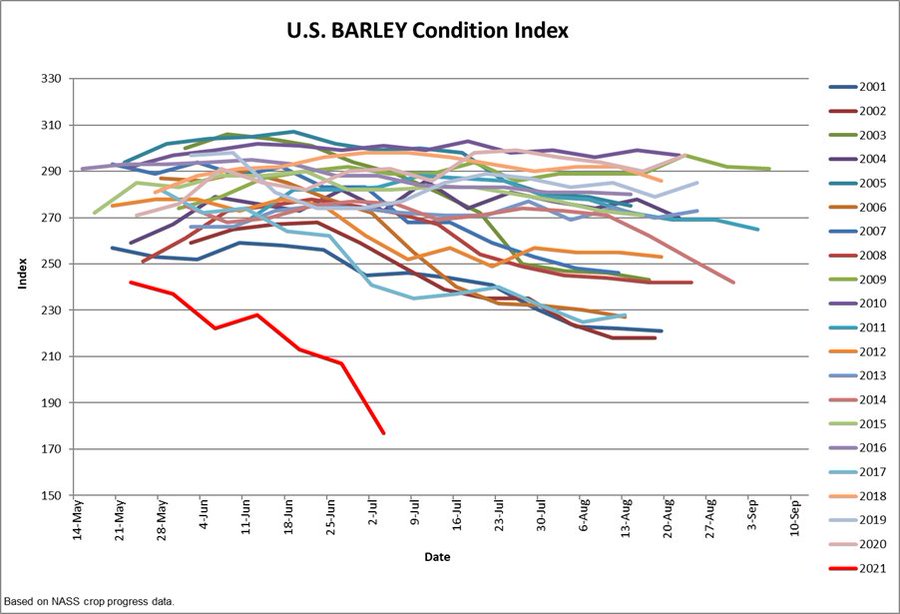
How is that barley crop doing… for those of you still drinking grain based beverages. Not well. Bryan R. tweeted a very graphic graphic, shown to the right. The US barley crop is collapsing under the heat. Canadian farmers planted 8.3 million acres of barley in 2021, up 9.7% encouraged by last year’s crop but it’s been dry and hot here, too. Northern Ireland looks to be in better shape. France looks fine, too. The rest of the western EU may be dealing with too much rain.

How’s the hops? Stan has issued his latest update on the hops markets, Hop Queries. And it contains an interest discussion on the effect of heat waves on the NW US crop this year:

“One variety that could cause issues is Cascade, as other growers have seen it hit hard.” This comes at a time that farmers have reduced Cascade acres because brewers cut back contracts. Brewers who are counting on buying fresh Cascade at below contract prices on the spot market, which has become standard operating procedure for many smaller breweries, maybe be unpleasantly surprised. (There will still be older Cascade around, but perhaps available for a good reason.) As is to be expected, the heat was hardest on “babies” (first-year plants) because they aren’t yet established. And, of course, the babies tend to be in-demand varieties, because growers are going to plant what brewers want. For instance, a field with Chinook will include only a few babies (replacing plants that grew old or became diseased), and Chinook stood up well to the heat.

Expected result? Less supply of the most desired varieties.

Lingering or revived pandemic blues got you down? Missing the many still delayed fests? Head east!

The 31st Qingdao International Beer Festival, one of the largest beer festivals in China, opened on Friday evening in the coastal city of Qingdao, East China’s Shandong province. The 24-day carnival has gathered more than 1,600 beers from over 40 countries and regions, according to the tourism commission of the Xihai’an (West Coast) New Area, where the festival is taking place. There will be over 400 activities covering international exchanges, economic and trade exhibitions, fashion shows, parades and performances during the festival.

These things are apparently a thing. Room to grow, too. Ten tents in 2022, I say!

Martyn wrote about the development of the water supply for brewing in the City of London in one of those pieces on history that does not make you yearn for the earliest of the good old days:

…despite the mythology that surrounds the river’s historic alleged unwholesomeness, brewers made use of its water to brew their beer for centuries: In 1509 the Bishop of Winchester (who owned considerable land alongside the river in Southwark – much of it occupied by brothels) and the Priory of St Mary Overies granted a license to the brewers of Southwark to have passage with their carts “from ye Borough of Southwark until the Themmys … to fetch water … to brew with,” so long as the brewers did not try to claim the passage as a highway, a license renewed by later bishops. (The Thames at Southwark is surprisingly shallow at low tide, and horse-drawn carts could be driven some way out into the stream to collect water in casks.)

Speaking of water, here as link to an interesting piece by BBC Scotland on the changing attitudes younger folk have towards alcohol. Apparently, 29% of youff are dry, up 10% over the last 15 years. If you can’t access the BBC Scotland site, here’s a brief intro. Bottom line – don’t be planning your business on an expanding beer market over the next few decades.

Elsewhere, the young folk are being less sensible as this report from France of the situation in Mexico explains:

Like all businesses in the capital — home to around nine million people — customers in the bars of Zona Rosa have their temperatures checked and are asked to use hand sanitizer. “People want to drink,” said bar owner Ernesto Castro. “The truth is that young people don’t care if they’re going to be infected or not. They want to party,” the 55-year-old said. “They feel that they’re not going to be infected and it’s a problem because the pandemic is still there and getting worse.” Last Friday the authorities raised the pandemic alert level in the capital, but did not impose new restrictions on economic or social activities.

Jenny Pfäfflin drew my attention to claims made about “natural beer“:

I’m not against alternative beers, but marketing it as more “natural” or “wholesome” than barley beer is a lot to unpack.

Seems similar to the idea of “sustainable” beer in Australia. The natural stuff is based on banana and honey and seems to be yet another weird beverage that flies the banner de jour, including the “heritage” banner. Note: “heritage” is the word for history where you leave out the bits you don’t like and rearrange what’s left to maximize comfort levels. In this case, it seems to be a tribute to craft’s heritage of banging things in to a pot and making up a back story to sell the stuff.

By the way, I never know how to react to a majoritarian/ privileged voices presenting a selection of minority/ under privileged voices. Curated protest? Appropriation of anti-appropriation? Seeing it a lot this year. But conversely, at least it is better than the bizarre branding we see in Poland: “White IPA Matters”!

The company has not responded to the allegations and complaints yet. Mr Mentzen, the owner of the brand, is a member of Poland’s right-wing Confederation party and has contested two elections – local elections in Poland’s Torun city in 2018 and for the European parliament in 2019 – both of which he lost, according to the Daily Mail.

Finally and perhaps related, a fairly sad observation to read:

I miss what my life was before beer.

Probably more common a thought that folk would admit. As you contemplate that, don’t forget to check out those weekly updates from Boak and Bailey mostly every Saturday, plus more with the weekly Beer Ladies Podcast, at the weekly OCBG Podcast on Tuesday and sometimes on a Friday posts at The Fizz as well. There is a monthly sort of round up at The Glass. There is more from the DaftAboutCraft podcast, too. And the Beervana podcast. And sign up for Katie’s weekly newsletterThe Gulp, too. And check out the Atlantic Canada Beer Blog‘s weekly roundup. Plus follow the venerable Full Pint podcast. And Fermentation Radio with Emma Inch. There’s the AfroBeerChick podcast as well! And also look at Brewsround and Cabin Fever. And Ben has his own podcast, Beer and Badword – when he isn’t in hiatus as at the mo, more like timeout for rudeness! And remember BeerEdge, too, and The Moon Under Water.
These Are The Beery News Notes For The First Thursday Of June

The left lateral collateral ligament is something I have which I had not considered for most of my life. Well, not until I strained mine yesterday. Yeowsers. It’s been a bumpy old year so far. Me, I blame gardening. Heaving soils and such. The good news is the cure. Napping. I can do that. But what of the drink, you ask? Let’s see. First up, this article by Valerie Kathawala on the role of migrant labour in wine got me thinking about the price of the bottles I buy:

Selling natural wine involves a narrative about holistic farming, intimate scale, and transparency of methods. So while the wine industry as a whole has much to answer for when it comes to issues of worker welfare, it’s a question that falls harder on natural producers, who stake their claim on making ethical, kinder-to-the-planet wines that align with the conscious consumer’s values. 

Is there an equivalent reliance on cheap foreign labour in beer? I think the head of the UK’s Wetherspoon chain of pubs, as fabulously illustrated to the right, might be finding out there was but there might not be as much now:

Brexit-backing Wetherspoon pubs boss Tim Martin has added his name to the list of those wanting to relax work visa rules for EU migrants. Martin, who toured the country’s Wetherspoons pubs espousing the benefits of a hard Brexit, says that the UK should make it easier for lower-skilled EU workers to relocate here. His comments came as rival pub and restaurant bosses told the Telegraph that recruitment in the industry was so poor that many sites are having to close to lunchtime trade.

Question: what do you do when the brand gets an upgrade but what’s in the can goes in the opposite direction?

The West Berkshire CAMRA mag is online for all those who want a copy. I don’t really know where West Berkshire is. I also don’t know where Pontefract is but Martin took us there this week.

The Beer Nut explored sweet lambic, something I dabbled in 15 or so years ago but then no more. His description of a black current beer from Lindemans is enough to make one take up a habit:

It’s a beautiful beetroot-purple in the glass, with an electric-pink pillow of foam on top. The aroma has a little oaky spice and a dollop of crème de cassis liqueur. The latter comes through strongly in the flavour. I was expecting Ribena but it’s much more a classy French aperitif. This tastes of sunny afternoons, especially on a sunny afternoon.

Max guided me to an excellent article by writer Anandi Mishra on her life with alcohol:

That first year, I mostly drank alone. Friends were capricious then, not wanting to ‘drink much’ lest they ‘become alcoholics’. As a nation, India’s obsession with quickly bracketing people who enjoy a drink as ‘raging alcoholics’ got the better of them. During the solitude of these drinking sessions, I turned to the page to process how I felt. I’d write out my hopes and dreams while drunk, most of them dwelling on my desire to be a writer. I read, and wrote profligately. Most nights I sat down with printouts of Brain Pickings articles, George Orwell’s essays, anything I found ‘readable’. Punctuated by swigs of beer, I’d make notes for hours. When in 2014 I moved to Chennai to pursue a journalism degree, the boldness of that decision was largely motivated by my solitary drinking sessions.

News out of South Africa, with an unexpected outcome in a  umqombothi brewing contest:

He might have been the only male contestant vying for the crown, but in the end the judges were unanimous in selecting Sibusiso Skhosana.

Sibusiso Skhosana is from Thembisa, East Rand, Gauten and here is a description of the beer he was making. H/T to the man with hats.

Is it just me or in this last wee while and the uncoverings of craft beer’s seamy side (more of which was revealed in the UK this week) does the label “independent” smack a bit too much of the consequence-free narrative? It’s a bit like the tone I watched play out when a question was dared to be asked of an “important person” in craft:

Q: But doesn’t this ambiguity/reluctance to name names just perpetuate the wink wink attitude to this kind of behaviour Paul?
A: Taking a moment to clock that you’ve turned up to criticise one thing I could have said over acknowledging the many things I did say. Aye, I think that’s all I’ve got for now Eoghan.

Oh dear. The poor little craft stuff wears upon you, doesn’t it. By the way and quite related, running brewery names through employment sites like Indeed with reviews by former employees and you get some interesting information:

DO NO rotate staff out to prevent repetitive stress injuries… Majority of staff is part time or temporary workers brought in on the daily. There is zero opportunity for promotion of part time workers the company also heavily promotes alcohol abuse…”

Finally, I am always interested in the realm of expertise extrapolation. That’s why I stay up at night listening to Coast to Coast AM from a station out of Cleveland. Someone knows something about X so they have an opinion of Y. Recently, we saw a lot of probably well meaning but somewhat dangerous supposed legal advice being passed around related to abusive craft brewing work situations. People have real problems and should not be distracted by pro-am beer bloggers. The medical equivalent is of course far more prevalent with beer writers, last bastion of belief in the J-Curve. With an absence of intent, Jeff seemed to continue with the tradition this week with a piece that walks an unusual line along a wobbly if not fictional fence: “Alcoholism is a dangerous disease, and no one should try to downplay its horrors. But neither should we attribute this behavior to a larger group.” My immediate fear is he contradicted himself in those two sentences. Me, I am guided more by the advice of the US  Centers for Disease Control and Prevention:

Excessive alcohol use is responsible for more than 95,000 deaths in the United States each year, or 261 deaths per day. These deaths shorten the lives of those who die by an average of almost 29 years, for a total of 2.8 million years of potential life lost. It is a leading cause of preventable death in the United States… More than half of alcohol-attributable deaths are due to health effects from drinking too much over time, such as various types of cancer, liver disease, and heart disease. 

Why qualify that sort of reality? That’s the same as a Covid-19 pandemic every five or six years. Better to take this oath: “booze is pretty much not that good for me but I choose to drink anyway!

On that cheery note, please don’t forget to check out those weekly updates from Boak and Bailey mostly every Saturday, plus more with the weekly Beer Ladies Podcast, at the weekly OCBG Podcast on Tuesday  and sometimes on a Friday posts at The Fizz as well. There is a monthly sort of round up at The Glass. There is more from the DaftAboutCraft podcast, too. And the Beervana podcast. And sign up for Katie’s weekly newsletterThe Gulp, too. And check out the Atlantic Canada Beer Blog‘s weekly roundup. Plus follow the venerable Full Pint podcast. And Fermentation Radio with Emma Inch. There’s the AfroBeerChick podcast as well! And also look at Brewsround and Cabin Fever. And Ben has his own podcast, Beer and Badword – when he isn’t in hiatus as at the mo, more like timeout for rudeness. And remember BeerEdge, too. Plus a newcomer located by B+B: The Moon Under Water.

Your Mid-May Beery News Notes For The UK Pubs And Other Floodgates Opening

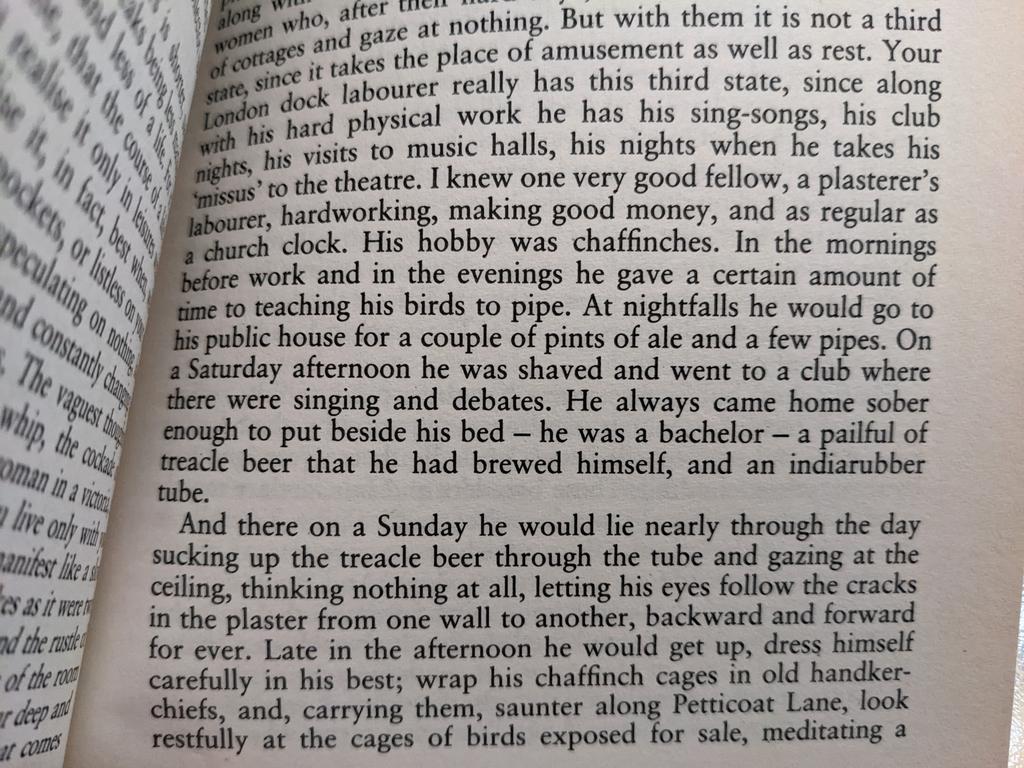
What a week. We hit 50% first vaccine coverage locally and folk over 18 are able to try to book appointments. Our two eldest must head to two town over in three weeks for their. But as for me, the provincial government has gotten very cold feet over the AZ jab just as I await word on my where and what and when my second jab will be. Oooo… sole mio. Oh, to be the happy man that Tim Holt found reference to in an unnamed book: “[h]is hobby was chaffinches… on a Sunday he would lie nearly through the day sucking up the treacle beer through the tube… thinking of nothing at all…” Magic.

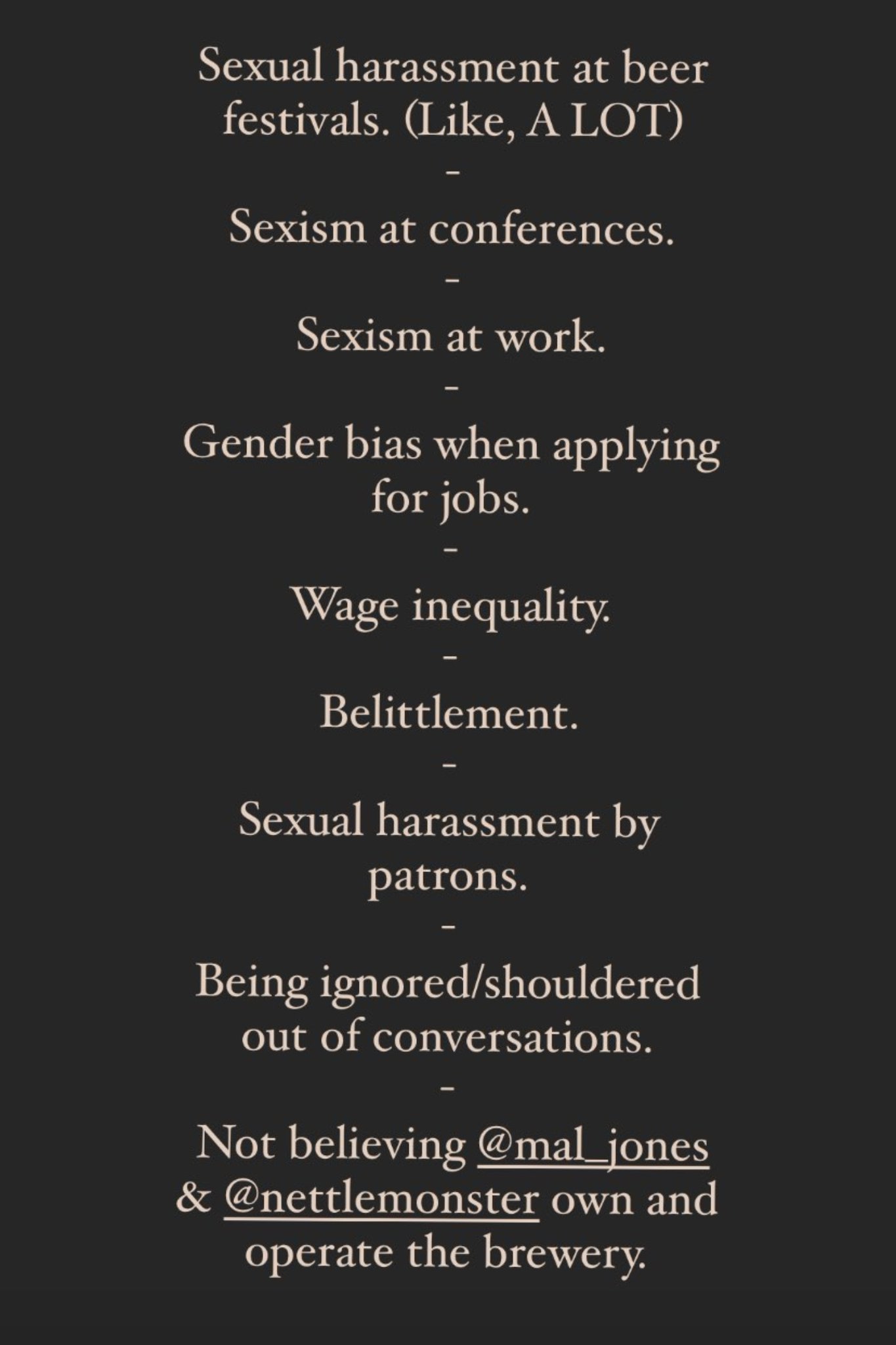
Of course I am not that man and, like all you all, must face the realities. This includes the biggest news in US craft beer circles is the news which isn’t really news at all.  Sexism is wide ranging within the culture and this week, led last weekend by Notch Brewing’s Brienne Allan, names were named.  Beth Demmons provided the best summary of the situation as of Monday afternoon through another well documented article at VinePair, setting out the background:

Allan, production manager at Notch Brewing in Salem, Mass. and a former leader of the Pink Boots Society’s Boston chapter, was on-site at Notch’s forthcoming Boston area brewery to help assemble the new brewhouse. After being in Covid-19 quarantine for a year, she says, she’d gotten used to not having to deal with sexism, but it didn’t take long for it to rear its head once — then twice — more.

In response, Allen went on line. She received over 800 response to her exasperated question “what sexist comments have you experienced?” The responses range from the crude to the horrific as Demmons writes. There have been initial consequences including a staff uprising at Tired Hands Brewing of Ardmore, Pennsylvania by Tuesday afternoon as reported upon by the Philadelphia Inquirer. And firings and resignations at this and other breweries and organizations followed and may continue to follow. Libby Crider of St. Louis’s 2nd Shift also shared experiences of what she has to put up with from pigs but also welcomed the wave of support. David Sun Lee shared the statement above from my local and beloved Matron Fine Beer. Also read Jessica Infante’s piece on the story from Tuesday as well. In addition to these grim allegations, one of the more interesting bits of information was this:

Let’s say hypothetically I run a for profit marketing business, that doubles as a publication, and am on record/screen shotted, warning clients to pull certain SM accounts before a hypothetical article dropped… am I contributing to the toxic male presence in beer while posting articles of the toxic male presence in beer? Asking for a “friend”.

Hardly independent publishing if that is the case.  Interestingly, GBH ran a story that consisted on interview notes with Brienne Allan along with commentary from two lawyers on the challenges whistleblowers may face in the form of defamation lawsuits. It was odd as it seemed to give both slightly false hope as well as a warning to whistleblowers. As a lawyer, I also found it a particularly odd approach what with the legal conclusions drawn like:

…users and providers of internet services are generally protected from defamation claims when they post or share content that was created by a third party…

Not to mention the categorization of brewery owners and employees as “public figures” which would require acceptance of the phony rock star narrative which is also part of the problem with depictions of craft beer culture. As always – as with pro/am beer writers offering medical advice – get actual professional advice if you are in any way involved with a situation like this.

My own two cents in all of this was to remind people – again – that the whole shift from “micro” to “craft” brewing was an intentional rebranding specifically in response to a sex scandal that led to criminal charges. You can read about the 2002 “Sex for Sam” promotion fiasco here and, if you doubt the primary sources I cited, you can read about it also in  Barrel-Aged Stout and Selling Out: Goose Island, Anheuser-Busch, and How Craft Beer Became Big Business by Josh Noel as reviewed here.

Katie questions the political economics behind the low ethical standards in what was supposed to be craft’s brave new world – what she calls “social justice paint jobs”:

I have worked in marketing for over a decade, and in that time I’ve developed a talent for sniffing out social justice paint jobs. This in turn has allowed cynicism to grow where it’s not welcome — I desperately want to see beer businesses working to bring good into the industry, and to banish what’s rotten, and to believe that this is being done for the benefit of everyone who interacts with the industry. It’s difficult to see how anything that operates within a capitalist society could survive without adopting capitalist goals…

Me, I am not one to think that “it’s the same everywhere” as I think craft has built for itself its own particular variant of the problem:

If you were wanting to create a cover story for anti-social behaviour why not create an alcohol laced drinkers’ loyalty culture controlled top down by the clique of brewery owners, cleverly labelled as a community driven by passion?

It’s that dream of a consequence-free experience under which it provides a particular cover for some pretty bad behaviour, the thing that still allows someone known to be a creep at work to claim it’s his personal matter.* Sorry. Nope.

Somewhat related, while these matters may raise many points of view, I am not sure this is exactly how one should put this, inclusion-wise. Seems itself to be pretty whitely-dudely:

…I want to balance my interview list a bit, so if you make or sell these beers and you’re not a white dude then I’d love to talk to you…

So… if this is all true, then are we facing a reality that unless you are a tiny family operation or a big brewery with all the controls a proper independent and empowered HR department that there is a risk the pigs are in charge? Maybe. Maybe not. As Jeff recommends, we can at least start by remembering that all humans deserve respect, kindness, and equity.

Speaking of tiny family operations, Joe Stange has written a profile of Virginia’s Wheatland Spring Farm and Brewery run by  Bonnie and John Branding. It is published in what is either Craft Beer & Brewing or Beer & Brewing depending on which web page upper left logo you are looking at. Warning: there may be pigs but they are the proper sort so it’s OK. The Brandings make land beer:

That experience in Germany also inspired the brewing of what the Brandings call “land beer.” To them, all Wheatland Spring beer is land beer. The Germans use the word landbier—it simply means “country beer,” and breweries use it to evoke images of local, traditional lagers. To the Brandings, it reflects the farm and its surroundings….  Land beer “has to do with culture and a mindset,” John says. “It’s this connection to agriculture and to artisans, and to this more tightly knit community of craft maltsters, small hop growers, and small family breweries.” In Germany, he says, those small village breweries aren’t trying to compete with the bigger ones. “They’re happy and content with their market, just as it is…. 

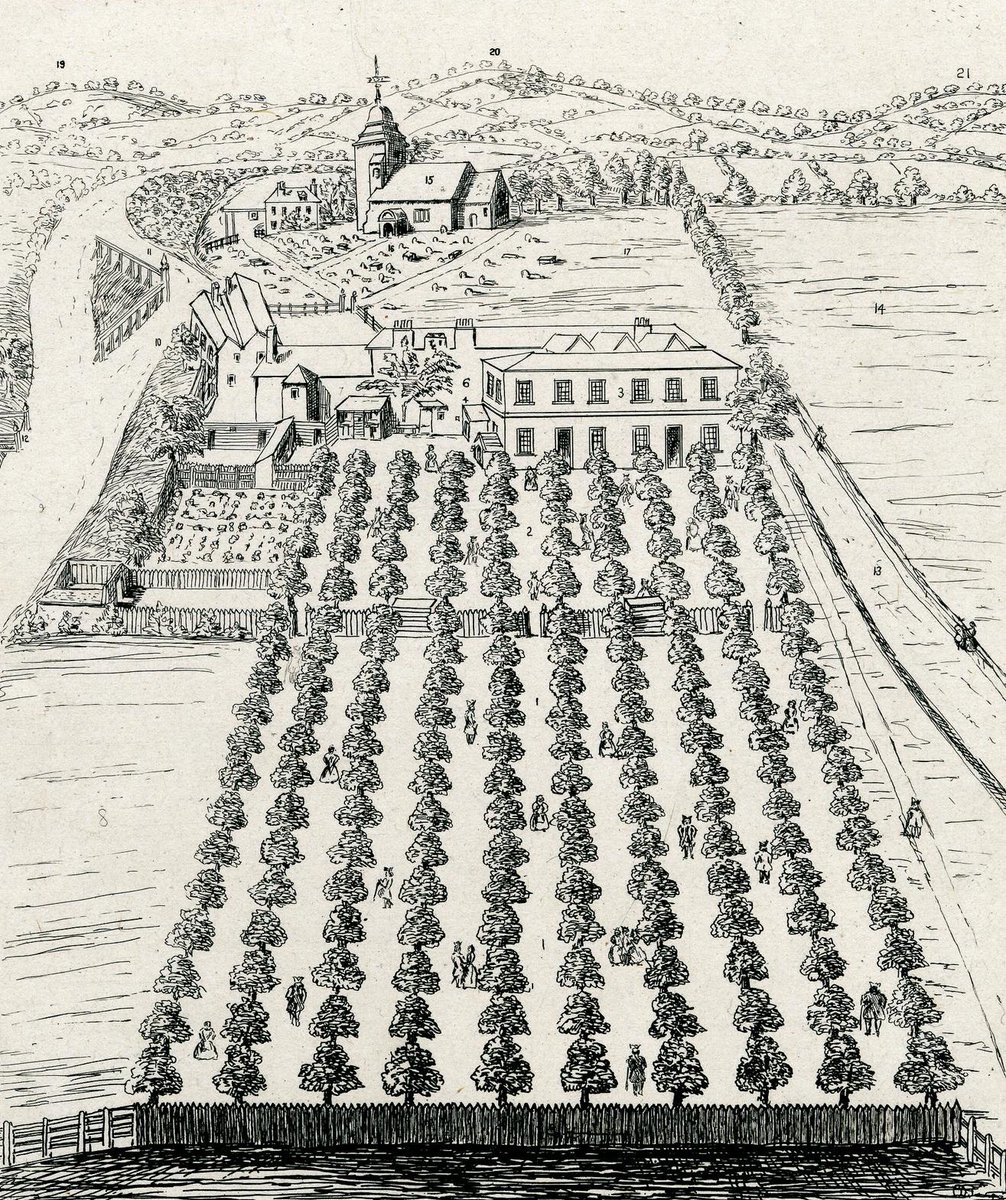
History lesson time. The T-feed presence known as “Intoxicating Spaces” posted this message and accompanying image to the right (my left):

A charming C18th view of St Pancras Wells, a spa and pleasure garden on the site of the present-day station. As well as healing waters, it offered ‘the best of tea, coffee, neat wines, curious punch, beers, other fine ales, and cyder’.

I have writing a bit about pleasure gardens, such as Vauxhall Gardens in the last third of the 1660s at Lambeth, England as well as, note bene, Vauxhall Gardens in NYC in around the 1760s. I would absolutely love access to a pleasure garden. Why have you not provided that to me, world?

Courtesy of TBN, I saw that Ron wrote about British military brewing in WWII including in the jungles of Burma:

In Burma they took the concept of mobile brewing one step further than a brewing ship. They stuck breweries on the back of lorries. Quite a clever way of getting beer production as close as possible to the front line. Given the conditions under which it was brewed, I doubt it tasted that great. The soldiers must have been glad to get any beer at all, out in the jungle. 

Look! A “curate” sighting care of the Mudge. So 2018. I thought we were done with that once it came to mean “stuff I own” but there you go.

Marverine Cole directed my eyes to this piece in The Guardian about troubles facing the only Belgian brewery that really really matters, Rochefort:

The monks have doggedly claimed that plans by Lhoist, an international company run by one of Belgium’s richest families, to deepen its chalk quarry and redirect the Tridaine spring risked altering the unique taste of their celebrated drink. Now, thanks to a deed dating back to 1833, it appears that makers and drinkers alike need no longer worry. A court of appeal in Liège has confirmed that while the quarry owner also owns the spring, it does not have the right to “remove or divert all or part of the water which supply the abbey”.

Holy subsurface riparian rights ruling, Batman! Excellent outcome.

Boak and Bailey educated us all on the history of pale’n’hoppy ale. As did Ed. They wrote in response to a post from Jeff on Thornbridge Jaipur. The point of pointing this out is not the appearance of corrections and disagreement. No, it was the appearance of a collective exploration that helped everyone and build understanding. Certainly helped me. Excellent. Good stuff indeed!

Finally, the pubs have opened in the UK for indoors pints and, just like that, the arseholes are back:

To the group of lads who ran up a £200+ drinks bill outside a #bristol pub yesterday, were abusive staff & fabricated complaints, only to then do a runner. You are the very worst of the worst sort of people, and we sincerely hope the police can track you down #unbelievable

In happier pub opening news, Jeff only had to move the sofa and TV to get the place fit for human company.

That’s a lot. Take the time to take it in. And please don’t forget to check out the weekly updates from Boak and Bailey mostly every Saturday, plus more with the weekly Beer Ladies Podcast, at the weekly OCBG Podcast on Tuesday  and sometimes on a Friday posts at The Fizz as well. There is a monthly sort of round up at The Glass. There is more from the DaftAboutCraft podcast, too. And the Beervana podcast. And sign up for Katie’s weekly newsletterThe Gulp, too. And check out the Atlantic Canada Beer Blog‘s weekly roundup. Plus follow the venerable Full Pint podcast. And Fermentation Radio with Emma Inch. There’s the AfroBeerChick podcast as well! And also look at Brewsround and Cabin Fever. And Ben has his own podcast, Beer and Badword – when he isn’t in hiatus as at the mo, more like timeout for rudeness. And remember BeerEdge, too. Plus a newcomer located by B+B: The Moon Under Water.

*Just had to note what a sad exercise this sort of statement is: “While this was all my PERSONAL life, I am so very sorry that these poor choices are now reflecting on the excellent people and products at Grains of Wrath. I emplore those who have any questions or concerns to ask me personally. I’m happy to talk to you and answer any questions you may have because open and honest dialogue is the only way to move forward.” No, bringing bad behaviours out into public with real consequences is how to move forward.


Ontario Once Had Women Only Taverns And Other Establishments

I was reminded this week of another bad era in drinking for women, right after the initial relaxations of our legal systems of temperance in Ontario in 1927 after decades of dour under the new surveillance culture of the Liquor Control Board of Ontario.  If you look at my post about women and alcohol prior to the temperance laws you will see there was far more leisurely liberty  in these parts in 1827 than 1927.

But, then, I was also reminded of one of the great innovations of the day that has now been forgotten – the tavern for women under the special restricted license. There’s probably a master’s thesis just waiting to happen if there were enough materials still around on the topic. I was responsible for writing the portion of Ontario Beer from 1900 to 1984 or so and this is the text below that covers that era. And it’s one of my favourite aspects along with the fact that by WWII, as illustrated our own major brewing outfit Labatt was running patriotic cartoon strips in newspapers to boost morale featuring a beer loving lady of the house, Ti-Jos… which I presume is a diminutive for Petite Josephine. Times had changed.

The passage below referneeces Dan Mallack’s 2012 book Try To Control Yourself, my copy of which I cannot seem to lay my hand on at this moment. Anyway, I had thought I had posted about this at some point but I do not appear to have done so. That being the case, here it is today offered if only as support that there are better paths forward if we are open enough to recognize them.

————————-

The role of women in this era of hotel based beverage rooms were a great cause of concern. Soon after the changes in 1927, the Hotel Grimsby asked to “prepare a Ladies Beverage room, as a great number of ladies do not want to go in the same room as the men.” Unlike we might be told in the revisionist view that the temperance movement was solely populated by hysterical fun crushers, the reopening of public drinking places not only led to perceived moral dangers such as gambling and prostitution but also risks of harassment or worse for the modern women who, as part of their desire to enjoy more liberal rights. wished to seek out new entertainments and drink their beer outside of the home. 

Malleck shows, before further amendments in 1934 addressed the concern, efforts were made to meet this demand by individual hotel operators. In one case this required use of a dining room as a women only location. The LCBO was sympathetic but did not approve of the circumventing of the law required, the inspector reporting it as “the subterfuge of the sandwich.” Restricted access to the beverage room also applied to waitresses as well as the female customer. They, unlike their male server coworkers, were subject to official inquiries as to whether they were themselves sources of immorality. Social clubs serving women or a mixed membership were even at times ordered to stop serving beer except to men. The beer drinking woman who chose to avoid the public space and stay at home when drinking also faced public disapproval when buying and even commentary in the press.

Throughout this time of social transition, in addition to working with the provincial government in the implementation of the Liquor Control Act, brewers in the 1930s were quite able to work with each other when their interests were aligned. In 1933, E.P. Taylor corresponded with his Quebec competitors national and Molson sharing information related to retail price cutting by their own agents. The next year, Carling received plans about the use of cardboard cartons to replace wooden crates to achieve freight charges savings and provide greater convenience “for tourists, for people going fishing, and so forth.”

Under Canada’s division of powers between the federal and provincial levels, the government of Ontario regulated how beer was retailed. As new changes were brought in in 1934 continued to reflect the surveillance principle even as settings for and modes of drinking expanded. The law now defined the word “establishment” to include club, hotel, inn, public house, tavern, military mess, restaurant, railway car or steamship having premises. And among the many classes of license created, licenses were now also available for establishments which served beer to men only, to men and women together or to women only.

A few remaining “ladies and escorts” signs from this era can still be seen in rural Ontario such as at the Douglas Tavern in Renfrew Co. Licenses were also available for light beer only or beers of any strength as well as other forms of alcohol. By creating separate zones for different economic groups, different genders and different beers, the bad old days of wild taverns warned of by the temperance movement could be avoided as the behaviours of each group could be observed.


The Day After St. Paddy’s Day Beery News Notes

There, at least that’s over. That’s him there to the right, apparently ordering two. You know, this may have been the St. Patrick’s Day that I’ve always wanted. Quiet. By force of law. Even last year, during the first week of something being quite wrong, there were college idiots half smashed on a Tuesday loitering around the downtown square, wearing green things made of plastic. Amateurs. Appropriating plastic coated amateurs. In 2017, I asked why craft beer hated the day. I don’t think that is the same now but it’s mainly because craft beer has ceased to exist in the same sense four years on. Not much taking a unified stand against anything these days. Not much of a soap box to stand on anymore so much as being an object of the inquiries.

Breaking: craft beer loves generic globalist multi-internationalism.

In days of yore brewing news, Martyn has undertaken the work I’ve been begging him to undertake for at least a decade: exploring the 1898-1899 Canadian Inspectorate of Foods and Drugs study on stouts and porters:

…the average strength of the Canadian porters was 5.73 per cent abv, nearly 20 per cent less than the average stout strength. The two beers had almost identical average apparent attenuation, at 81.4 per cent for the porters, and 81.5 per cent for the stouts. Other analyses show big differences, however. The average percentage of maltose in the finished beer was 0.594 per cent for the porters, and 0.747 per cent for the stouts. The average percentage of solids in the finished beers was 4.99 per cent for porters and 5.6 per cent for the stouts…

Whammo! Kablammo!! Now you can all shut your pie holes about it and face facts.  “What about McDonagh & Shea porter out of  Winnipeg, Manitoba brewed to 8.8 per cent abv?” you say? Shut up. Get out.

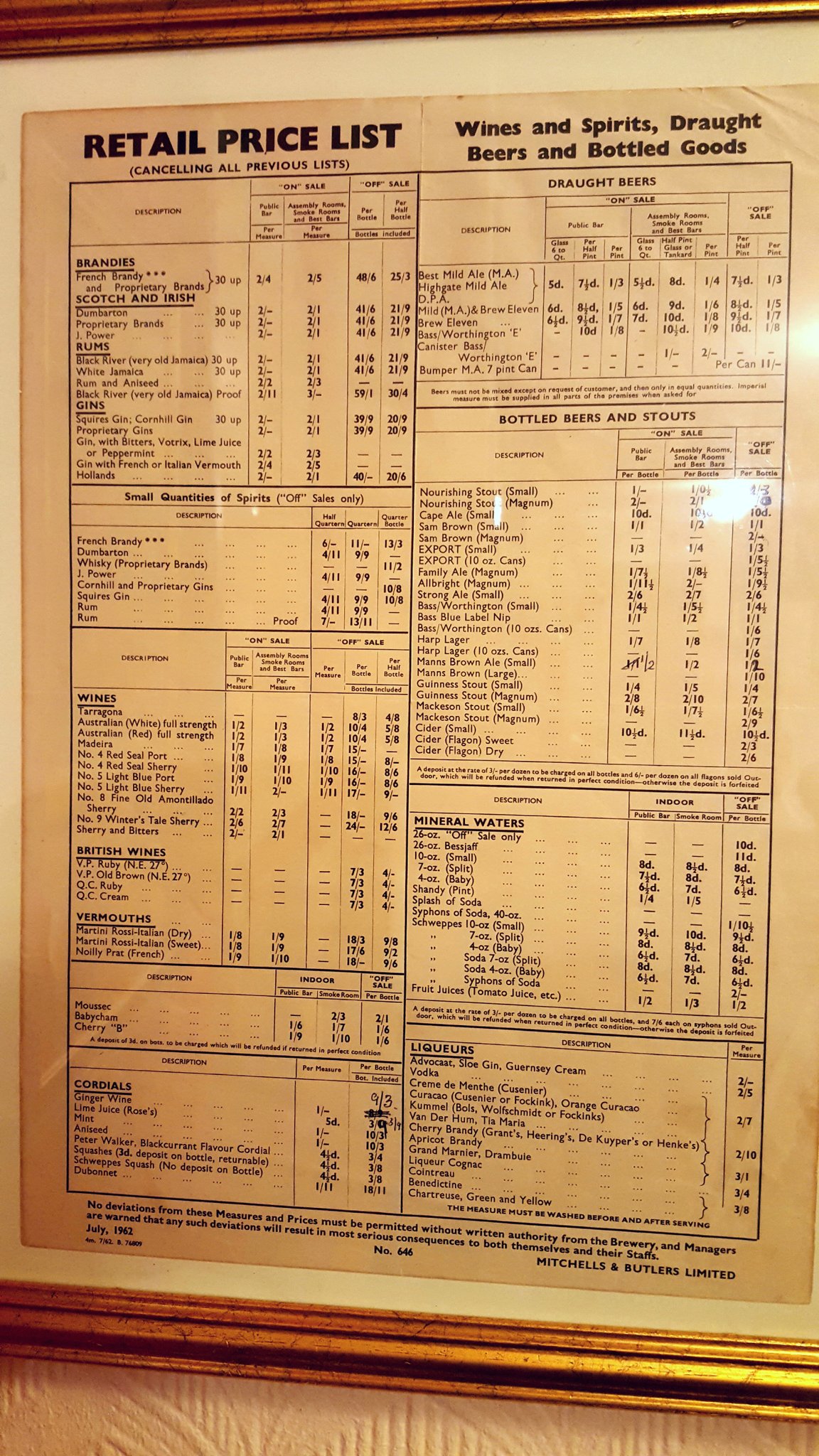
Speaking of relatively recent history, sad news of a pub closing trade in Burton England was tweet-paired with this fabulous image of a 1962 price list for brewers and pub chain operators, Mitchells and Butlers. A great opportunity to identify grannie’s top drinks as well as the relative price of things. Fact: Dubonnet is not vermouth.

And in even more recent recent history, this picture of Eugene Levy and John Candy as the Shmenge Brothers of SCTV fame in the 1984 Kitchener Octoberfest parade posted this week by the University of Waterloo Library is as cheery as it gets. Careful fans will recall how pivotal the same parade is in the plot of the 1983 film Strange Brew, staring fellow SCTV alumni Dave Thomas and Rick Moranis. That’s an actual production vehicle, by the way – a Messerschmitt Kabinenroller.

Thing you couldn’t do in 2019. Going back into past restaurant reviews and finding evidence of unidentified covid-19 symptoms being the unwitting basis for complaint.

Not quiet sure what to make of this supply chain news out of Australia, whether it means Asahi are switching their malt purchases to be more local or just that it is now going to be tracked as local:

The new supply chain means that local barley will be used to brew Australian beers like Victoria Bitter and Carlton Draught for the first time in decades. Asahi, which developed the new direct sourcing program after it purchased Carlton & United last year, will now buy more than 70,000 tonnes of malted barley direct from farmers in Victoria and southern NSW to be used at its Yatala and Abbotsford breweries. Growers in northern NSW are expected to join the scheme before this year’s harvest while the first beers brewed under the program will be rolled out in April.

This one program appears to include 7.6% of Australian malt production so what ever it is it is significant.

Not unrelatedly, though he will fully disagree and it pains me when he does, Stan captured one of the best examples of craft beer nonsense that I’ve ever seen:

Breweries have terroir as well. But instead of revolving around a patch of land, ours are centered on a group of people. We operate our business on a human scale and with a human face. 

Remember when people used to say stuff like that? Many copyright law suits later and the firings of all the women in the craft beer bar and… and… and… Speaking of which in a sort of contrapuntal way, diversity in brewing and the craft beer trade continues to be a big discussion circling about the topics of both inclusion and actual identify as this article in Foodism Toronto discusses:

Sandhu has a beer on his menu dedicated to his grandfather, Chanan, which includes Indian coriander as one of its ingredients. “I actually do see a high percentage of Indian customers ordering the beer that’s named after my grandfather,” Sandhu says. “I think these populations feel safe and they feel comfortable at our brewery. We don’t just see them coming in just once, but they become regulars.”

Unlike the samey “I miss the pub” teary tales or the quite uncomfortable “beer has been the only thing that gives my life meaning” confessionals, Mr. G. Oliver has looked to the future and sees hope as well as these three interesting trends:

What use is a “share bottle” you can’t share? It’ll be interesting to see if the stemming of the pandemic brings the 750 back at all. I think people are doubling down on case sales; we haven’t wanted to make any more trips to retail than necessary. People are also buying fewer expensive specialty beers.  I also think that the pandemic is helping fuel the rise of the non-alcoholic category. A lot of people are now home for lunch every day. What are you going to drink with your sandwich for lunch? NA beers can provide a perfect answer, and there’s nobody watching you “drink a beer” at lunch in your kitchen. NA is getting normalized faster than it would have otherwise.

By the way… does anyone know how you are supposed to find a story on GBH? What a hot mess of a front page.

Stonch, well known pub lad and operator of Britain’s longest-running beer blog, praised CAMRA on its 50th anniversary this week for, yes, achieving its goals:

Yes, there’s been a growth in excellent keg, and that has perhaps pushed cask ale out of the limelight in many beer-focused bars. Yes, the immediate after-effects of the pandemic will produce challenging conditions for cask-centric brewers. CAMRA has plenty to be keeping busy with, and without doubt can remain relevant and vital if it so chooses. Speaking as a publican, I can say with confidence that there is no way that a significant part of today’s pub-going public would be happy to visit a pub that didn’t offer reasonably well-kept cask conditioned ale. That commercial reality will preserve this particular part of Britain’s heritage for years to come.

And from the other side of the bar as well as knees under the organizational table, the Tand praised CAMRA on its 50th anniversary this week for, yes, achieving its goals:

I’m a relative newcomer, my tenure in the Campaign being a mere 40 years, but happily my anniversary as a member coincides, more or less, with the fiftieth year of our venerable organisation.  Like many, I’m looking forward to Laura Hadland’s book outlining CAMRA’s rich history and to reading the tales of those who have made this epic campaigning journey, both with and before me. Of course, while the organisation is to be congratulated, it is also an excuse for members to raise a glass to themselves, whether they are grey in beard and sandal or – like some of us – still youthful and inspired. Young or old, we are all the Campaign for Real Ale, and we can justifiably bask in our own reflected glory, even if just for a day.

For an alternative view, consider the Viz magazine perspective.

Best actual brewing thing I have seen this week? This:

OH MY GOSH – sooo excited!! Today’s the day we’re brewing our 1st 2021 Vintage Ale @FullersBrewery and I got the honour of mashing it in! Thanks @FullersGuy!

Me, I’d make my own now… but they employed a cunning strategy and reversed the image so we will never know how the beer was made. One thing is for sure. There aren’t any ambering hops in there.

There. Saturday is spring. Yes, the second spring of a pandemic but still spring. So while you turn the soil and plant the seed, check out the weekly updates from Boak and Bailey mostly every Saturday, plus more with the weekly Beer Ladies Podcast, at the weekly OCBG Podcast on Tuesday and sometimes on a Friday posts at The Fizz as well.  There is more from the DaftAboutCraft  podcast, too. And the Beervana podcast. And sign up for Katie’s weekly newsletterThe Gulp, too. Plus the venerable Full Pint podcast. And Fermentation Radio with Emma Inch. There’s the AfroBeerChick  podcast as well! And also look at Brewsround and Cabin Fever. And Ben has his own podcast, Beer and Badword – when he isn’t in hiatus as at the mo, more like timeout for rudeness. And remember BeerEdge, too.

Your Thursday Beer News Notes For The Week That The Bills Come

It was supposed to be fun. All fun. But now there is the reckoning. Not just in the sense of #Dryuary but #Skint-uary. #I-spent-all-I-had-uary. No wonder folk feel a pinch and stop splurging. Remember, though… pubs can be for cheap sustenance, too.  And if you are really stuck, here is a guide to getting the booze out even if you want to go out. And even if you get the booze out, just thank your lucky stars you aren’t deep into big US milk.  It’ll be #Dairy-uary next year if this keeps up. Fighting all this as a voice raging in the wilderness, the Pub Curmudgeon posted his warnings about state control of such matters – and included this very attractive poster that should really be placed by every child’s bed.
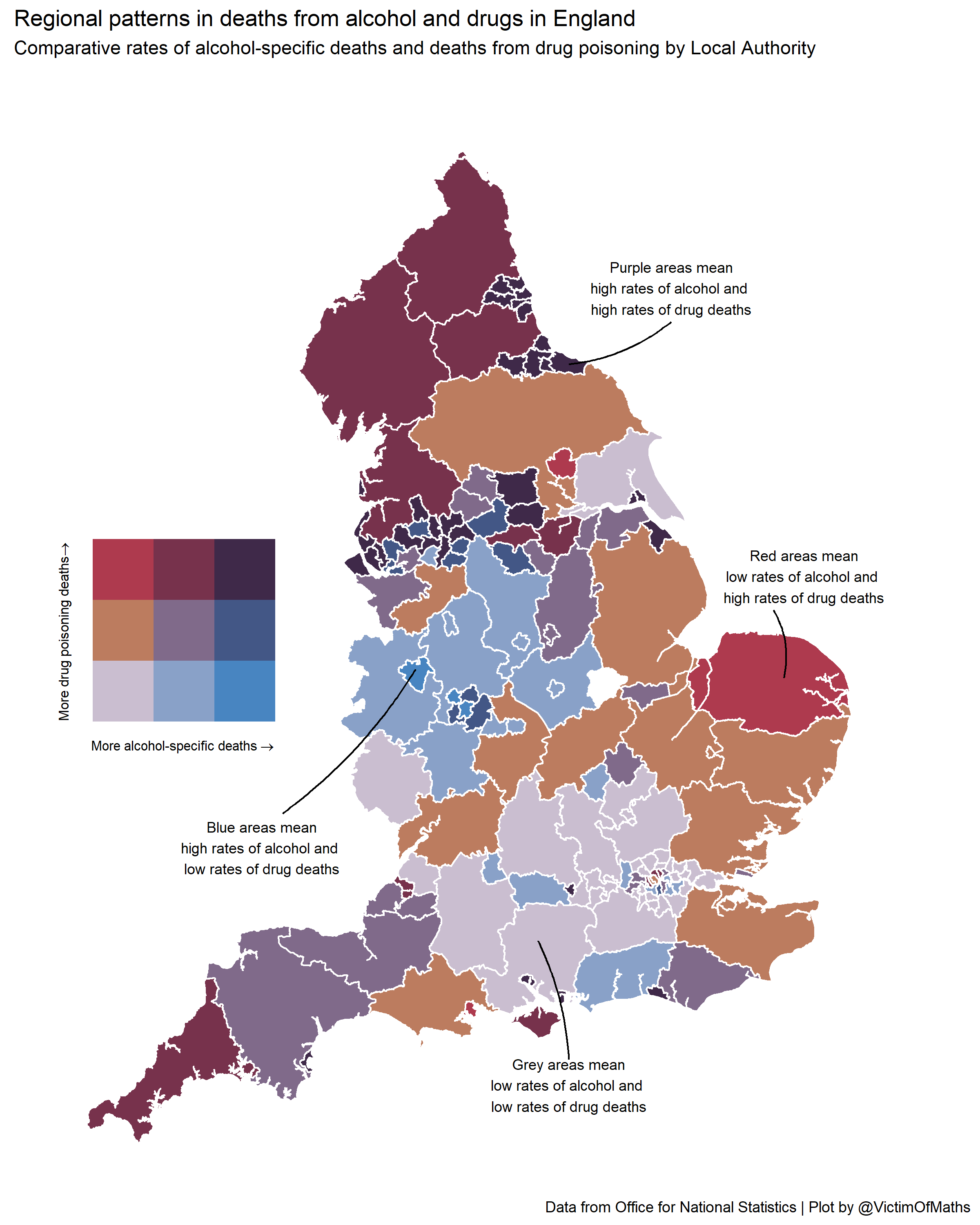
That being said, first off all hail June Hallworth of the Davenport Arms in Stockport, England, Still working at her family’s pub at 81. Her secret is a surprise:

Despite a life spent around alcohol, Hallworth doesn’t actually drink. “My husband used to ask: ‘Is there nothing you like the look of?’” Yet she has witnessed changing drinking habits: before, you’d struggle to get people out of the pub after last orders. “You’d have to shout at them to drink up. Now, people drink earlier. You can lock up more easily.”

Clearly, June is on team #Dryuary. Wonder if she also minds a mobile phone or a little foul language, too? And here’s something interesting and not unrelated – a map of England indicating where alcohol and drugs are laying people flat, kicking or otherwise. Entitled “Deaths from alcohol and drugs by Local Authority in England” – does it make sense? By which I mean, are there cultural, logical, socio-economic aspect to the information? Why is the lower left tippy-toe bit so much worse off than that other bit up there off the North Sea? Hmm… also not unrelated… a poem… on drinking… circa 1700:

His trembling hand scarce heaves his liquor in,
His nerves all crackle under parchment skin;
His guts from nature’s drudgery are freed,
And in his bowels salamanders breed…

So, at least it is not all new. Speaking of getting at the new, I am not entirely sure that I agree with Matt but I do support his right to argue for the place of what he calls beer media:*

Establishing strong lines of communication with both the beer media and the drinker is essential, but as pointed out in the first part of this series, engaging with these two sets of people are actually very different things. Yes, a press release is an essential tool for getting out snippets of information and keeping people informed about what your business is doing. However, there are more effective—and importantly, more meaningful—ways of engaging with the press.

One would hope that sort of thing does not lead to this sort of thing… Because that is really not that far off other sorts of things. Like how baijiu got where it is today. Baijiu you say?

Produced at a state-owned distillery in Moutai Town, in the scenic southwestern province of Guizhou, Kweichow Moutai is rich in symbolism. “Moutai was the favourite drink of Premier Zhou Enlai, Mao’s longtime number two… He made Moutai the baijiu served at all official state dinners.” Legend has it that Red Army soldiers used it to cleanse their feet on the Long March, while in 1972 Zhou Enlai and President Nixon were famously pictured toasting each other with it. “So it became the baijiu of China’s elite…”

To avoid these various pressures of lobbyists and state control, we need information and, honestly, if believes that one really all should buy the new edition of The World Atlas of Wine:

Robinson bears the main responsibility for this new edition, and her limpid, authoritative style is part of what makes the book so engaging. “At least half of the words on 45% of the pages about wine regions are completely new”, Robinson points out. As with earlier editions, there are excellent introductory sections on how grapes are grown and wines are made, plus wholly new sections on the roles of temperature, sunlight, water, money and climate change on winemaking. There are twenty-two new maps, with some countries (including Brazil, Cyprus and Uruguay) receiving their own pages for the first time.

One thing I have not considered adding to my lifestyle** is home delivery of booze. But now craft is in so it must be good. Yet… the rules for these sorts of things at least in in Toronto are a bit involved:

“When we heard foodora was an option for delivering our beer, we immediately got on board,” said Joey Seaman, head of business development at Bellwoods Brewery said in a release. “This is definitely the most convenient way of getting our beer into the fridges of our local Toronto customers that can’t easily make it to our Bellwoods Brewery bottle shops. Only Smart Serve-certified foodora riders will be delivering alcohol. If the order recipient doesn’t produce valid ID, appears intoxicated, or attempts to purchase for a minor or impaired individual, foodora says that the delivery will be cancelled, and a $20 restocking fee will be applied.

I love that a delivery dude is now empowered to assess the appearance of intoxication and charge a penalty. Like that’s going to happen.

Finally, a bit of the old science after a h/t to Stan:

Here’s a sentence that I never imagined writing in a paper “More generally, the two fly species preferred different #beer styles”. Yup, dear tax payers, we are using your money to investigate which fruit fly species prefers which beers! (And Trust me, this actually is useful!)

At least they gave the flies a selection of fine Belgian beers as part of the program. Oude Kriek was one of the offerings!

Oh, and here is @katzenbrau revealed!

Now that it is a new year, there is still no reason to forget to check in with Boak and Bailey’s on Saturdays, at the OCBG Podcast on Tuesdays and sometimes a mid-week post of notes from The Fizz as well. And sign up for Katie’s weekly newsletter, too. There’s the AfroBeerChick podcast now as well! Plus the venerable Full Pint podcast.

*The other term used – “beer writers” – is too wide a label for this purpose, something that the guilds seem to be forgetting.
**Do I really need to say it?