 I started reading my copy of A History of Brewing in Holland 900-1900: Economy, Technology and the State by UBC professor Richard W. Unger, published in 2001. Careful readers will recall that I had ached after this book ever since I reviewed his 2004 publication Beer in the Middle Ages and the Renaissance but was a bit depressed about the sticker price of this one. Divine (or at least professorial) intervention, however, landed me the prize of a review copy.
I am only about 70 pages in – up to the 1400s – and am fascinated all over again by the precision and detail of the research yet also by how readable Unger makes understanding his work. So far, in a nutshell, he has taken medieval tax and shipping records and then traces how the semi-autonomous cities and towns within and neighbouring the Low Countries produced traded and consumed beer. He shows how Holland’s success in leveraging the new fangled hop that arrived from the south-eastern North Sea shipping trade in the 1300s led to the replacement of gruit as a flavouring in beer, triggered a shift in taxation and public regulation while expanding commerce through the ability of hops to stabilize the beer to allow it travel farther while maintaining its good condition. This portion of the book mirrors some of what was included more detail in his other book – for example, how taxes were based first on granting a monopoly to supplying an ingredient (ie counts farming to local towns the right to control the gruit trade) then on the production of beer (excise tax based on production provided more than 50% of Lieden’s revenue in the early 1400s) then on control of shipping of beer (through tolls, holding periods for trans-shipped casks and special import duties). The general information on the medieval economy is also interesting – like the fact that the Black Plague led to the marketplace for labour after it passed through as the survivors could decide what to do with their skills and thereby their lives.
I will add to this post as I move through the book but, again, I am struck how I would love to find a current text of this detailed quality in relation to the economics of English, American or any other region’s brewing but, other than Hornsey’s more scientific and encyclopedic A History of Beer and Brewing, know of none.
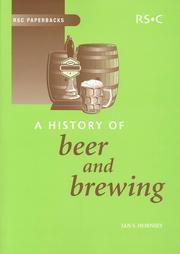 I have been working thought my review copy of this 632 page paperback published by the Royal Society of Chemistry for the best part of a month now. It is fascinating. Likely the best book on beer I have ever read. Clear, comprehensive and incredibly well-researched, this book contextualized beer and related beverages in the cultural and scientific world contemporary to any given era from pre-historic cave dwellers to the modern era and CAMRA. Yes, insert your joke of convenience now…