
I find this beer “created civilization” line going around funny. Sure, it is an easy cut and paste story for bloggers needing to fill space. And, sure, it is an easy story for a newspaper to run. But really?
Hayden told Postmedia News that “there are lots of implications” of the team’s findings, and that “brewing was just part of the picture” during humanity’s pivotal shift to settled, stable communities with enough food supplies to foster more complex cultural developments. But beer-making, he added, was one factor “that we think was important in making feasts such powerful tools for attracting people and getting them committed to producing surpluses.”
Attracting people? Getting them committed to producing surpluses? Such verbs we choose for such things. How about rounding them up, enslaving them and forcing them into labour to provide an oligarchical hierarchy based on grain monoculture with the rich rewards of being the enslavers going entirely to the enslavers. How about the slaves were perfectly happy in their outlying tribal hunter gatherer lives beyond the fields of horror filled with barley they will never taste and certainly never chose to grow. It is lovely to hope and wish and, sure, springtime is upon us giving us thoughts of baseball and everything but is there any evidence that the step towards brewing-focused agriculture in any way formed the basis what we value today as “civilized”? Maybe it just occurred as a crop contemporaneous with, say, turnips.
Did turnips found civilization? Could well be. Like mostly anything could well be. Like shackles and whips.
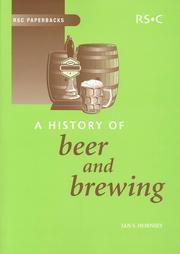 I have been working thought my review copy of this 632 page paperback published by the Royal Society of Chemistry for the best part of a month now. It is fascinating. Likely the best book on beer I have ever read. Clear, comprehensive and incredibly well-researched, this book contextualized beer and related beverages in the cultural and scientific world contemporary to any given era from pre-historic cave dwellers to the modern era and CAMRA. Yes, insert your joke of convenience now…