
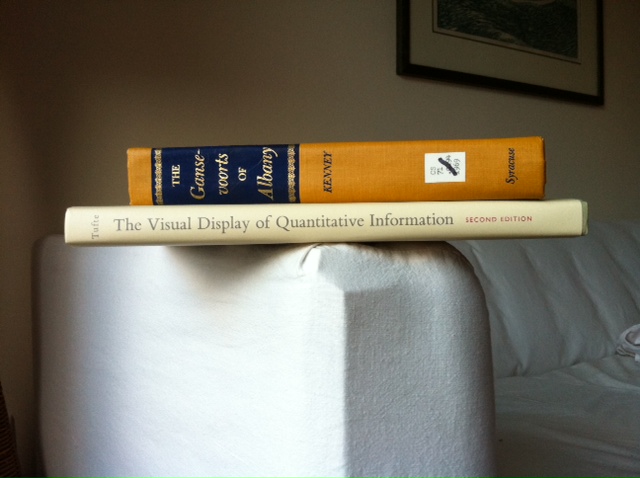
 Beer books. I have read enough of them but they are not the whole extent of the books I read related to my interest in beer. One of the most interesting things for me about my interest in beer is how is it woven though the community and through time. On top up there is my recently acquired copy of 1969’s breakout best seller The Gansevoorts of Albany: Dutch Patricians in the Upper Hudson Valley. It does appear on Google books but not much of the text is available. Below that book us the second edition of The Visual Display of Quantitative Information by Edward Tufte. I am hoping each will be, in its way, a book about beer or at least a book that explains how we can think about beer.
First, the Gansevoorts. The most amazing thing about this family for our present purposes is that they gave up brewing in the early 1800s after the best part of two centuries of brewing… in North America. There is a lot to learn about the context of how brewing began and has continued for around 380 years in the capital city of New York state but the main thing to understand is that when the British finally took over the Dutch colony in 1674, it did not remove the population. In a way, it is like a mini-Quebec in that, through the Dongan Charterof 1686, the people of Albany were allowed a level of self-government that continued its Dutch political culture. In roads into that were only made after the French and Indian War of the later 1750s which led to the fall of New France. Interestingly, the indications I have seen of a indigenous strong Dutch wheat beer seem to fade along with that political culture replaced in the first decade of the 1800s with the ranges of small to XXXX ales more in line with the Yankees of neighbouring and expanding New England culture that lived on until swamped in turn by later German immigrants and the advent of large scale lager production. Earlier, under that cultural protection, the Gansevoorts can be traced back to the 1650s when a brewer had a daughter whose husband took up the brewing trade himself, passing the business on to their son, whose beer based position and wealth allowed his sons to prosper and lead the Revolution… and to run the brewery until it was demolished in 1807.
We have data. So much data. But it is out there in jangled family trees, in newspaper ads and in boxes on archive shelves which have remained unopened for years. How to find it all and how to put it into some order? I have an idea for an interactive timeline that effectively displays what otherwise could sit on a wiki like this. But I need help. Hence Tufte. I am thinking of his commentary on the 1869 graphically illustrated map of Napoleon’s doomed march into and out of Russia. Except it would be the Hudson River Valley and it would be about almost four centuries of of beer rather that one really poor military campaign. Something of a cross between that and the schematic diagram of the London Undergroundmight work. Maybe.
Beer books? Two wonderful books and each can tell me plenty about beer or about thinking about beer at least.
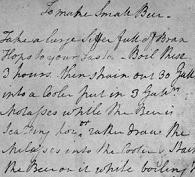
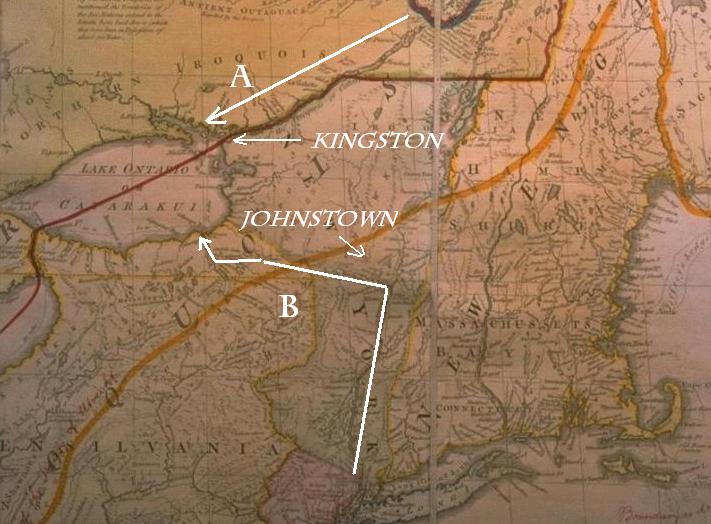
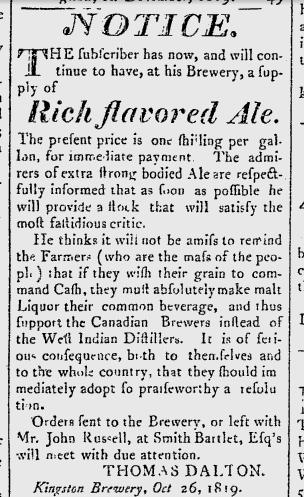 So, how to get beer to Kingston when one route is under constant risk of attack and the other is in enemy hands? Well, you don’t. You have to wait to grow crops and then you have to feed yourself, sell some off for cash and then sooner or later you get to the point that there is enough extra to make beer. Have a look at that ad we looked at
 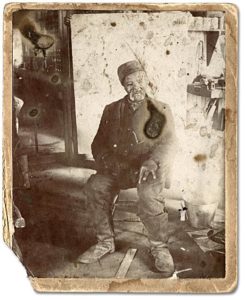 Right: Levi Veney, ex-slave who lived in Amherstburg, taken at J. D. Burkes’ store, 1898.

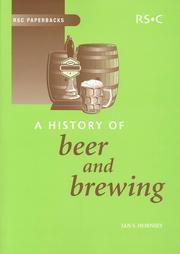 I have been working thought my review copy of this 632 page paperback published by the Royal Society of Chemistry for the best part of a month now. It is fascinating. Likely the best book on beer I have ever read. Clear, comprehensive and incredibly well-researched, this book contextualized beer and related beverages in the cultural and scientific world contemporary to any given era from pre-historic cave dwellers to the modern era and CAMRA. Yes, insert your joke of convenience now…