Your Mid-February 2022 Edition Of The Beery News Notes And That Odd Problem With Rice

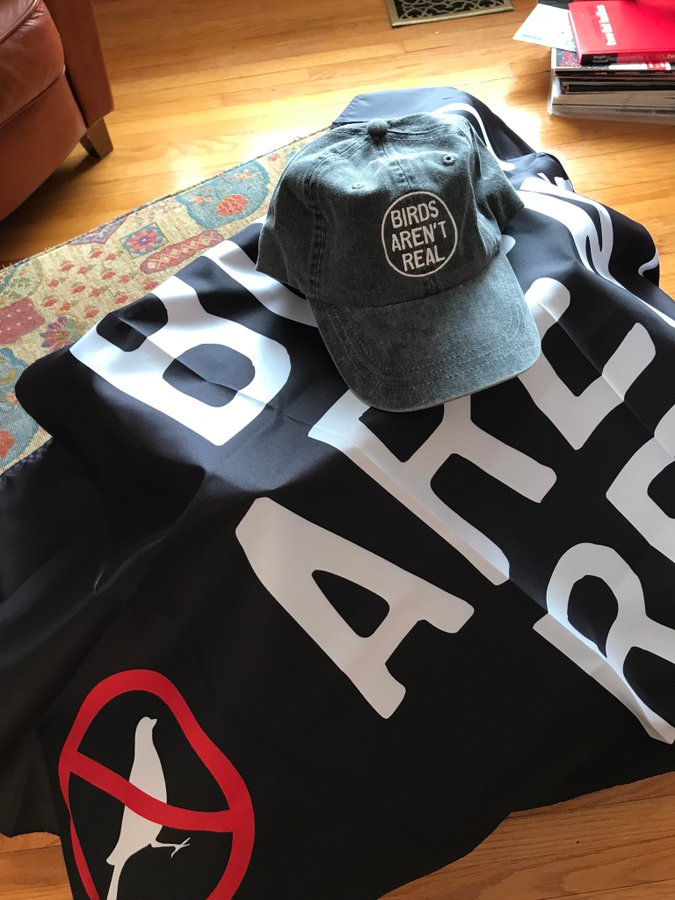
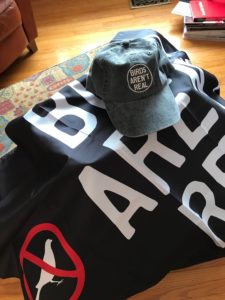
What a week! A trip to the dentist and the Federal imposition of the Emergency Measures Act!! It could drive one to drink. Except I haven’t. Had a couple of really good beers on Saturday, though. Stone City’s Ships In The Night. Oatmeal stout is rarely not a good call. But I have acquired my protest gear as illustrated, should any protests come my way. One must be prepared.

What else? Super Bowl. Stupor Bowl. Superb Owl. It also happened this week. Unlike much of the continent, me I had not one beer. I paid little attention to the game itself on TV which ended up as a bit of a yawner even with the close final score. But would it be better live? Well. it’s not exactly for the snack bracket me and my peeps, is it?

…a double measure of Don Julio, Ciroc or Tanqueray 10 would set punters back US$25. Meanwhile, the craft beer selections clocked in at $19, which would get drinkers a serve of Kona, Golden Road Mango Cart or Elysian Space Dust. The premium beer serve was Michelob Ultra, which was priced at $17. And it’s fair to say that fans were taken aback by the prices.

More breweries closed this week. As Jeff reported, Hair of the Dog and Modern Times -both of the US West Coast wound down in whole or in part. The latter announced it this way:

Today is the most difficult day we’ve ever had at Modern Times. Over the last two unimaginably challenging pandemic years, we’ve done everything we could to keep all of our newly-opened locations afloat in a landscape we never could have imagined when we began building them. As new leadership has stepped up and taken the helm over the last few weeks, it became clear that the financial state of the company that we are now tasked with directing is not just unsustainable, but in immediate and unavoidable peril

Hair of the Dog is/was one of the greats that never had dreams of delivery fleets and HR departments. Retirement is well earned. I put the last cardboard box from the fabulous HOTD misadventure of 2006 out with the recycling just last Sunday.

Elsewhere, building on the momentum to challenge the ethics within Ontario’s brewing industry led by Erin Broadfoot,  Mallory Jones the brewer and co-owner of my beloved Matron Fine Beer in nearby Prince Edward County on behalf of herself and fellow brewer and co-owner Jessica Nettleton, shared experiences of their lives in beer, starting with this remarkably concise statement:

Behind the ‘good times and camaraderie’ there is a dark underbelly, a booze-fuelled side, a sexist and skewed patriarchal side, a side that desperately needs to change.

Note in particular this statement: “…beer events often (read: all of them) result in over consumption which always equals disgusting behaviour from a wide variety of individuals on both sides of the bar…” It boggles the mind how it took so long for such obvious and open behaviours to be simply and plainly stated after years of the trade and trade writers telling us how it’s all one community and craft beer people are good people. I am very careful who I buy from now as well as whose word I take.

There was a great short video of a Polish railway standup tavern car on Twitter this week. One of my favourite memories of working in Northern Poland thirty years ago was the the Polish railway standup tavern car from Kołobrzeg to Gdansk. The good old PKP (“puh-ka-puh”). There is even “fruit syrup for beer” now.

Over in India, the government has taken a very sensible approach to the healthier regulation of the beer market that would be a great first step towards the listing of ingredients:

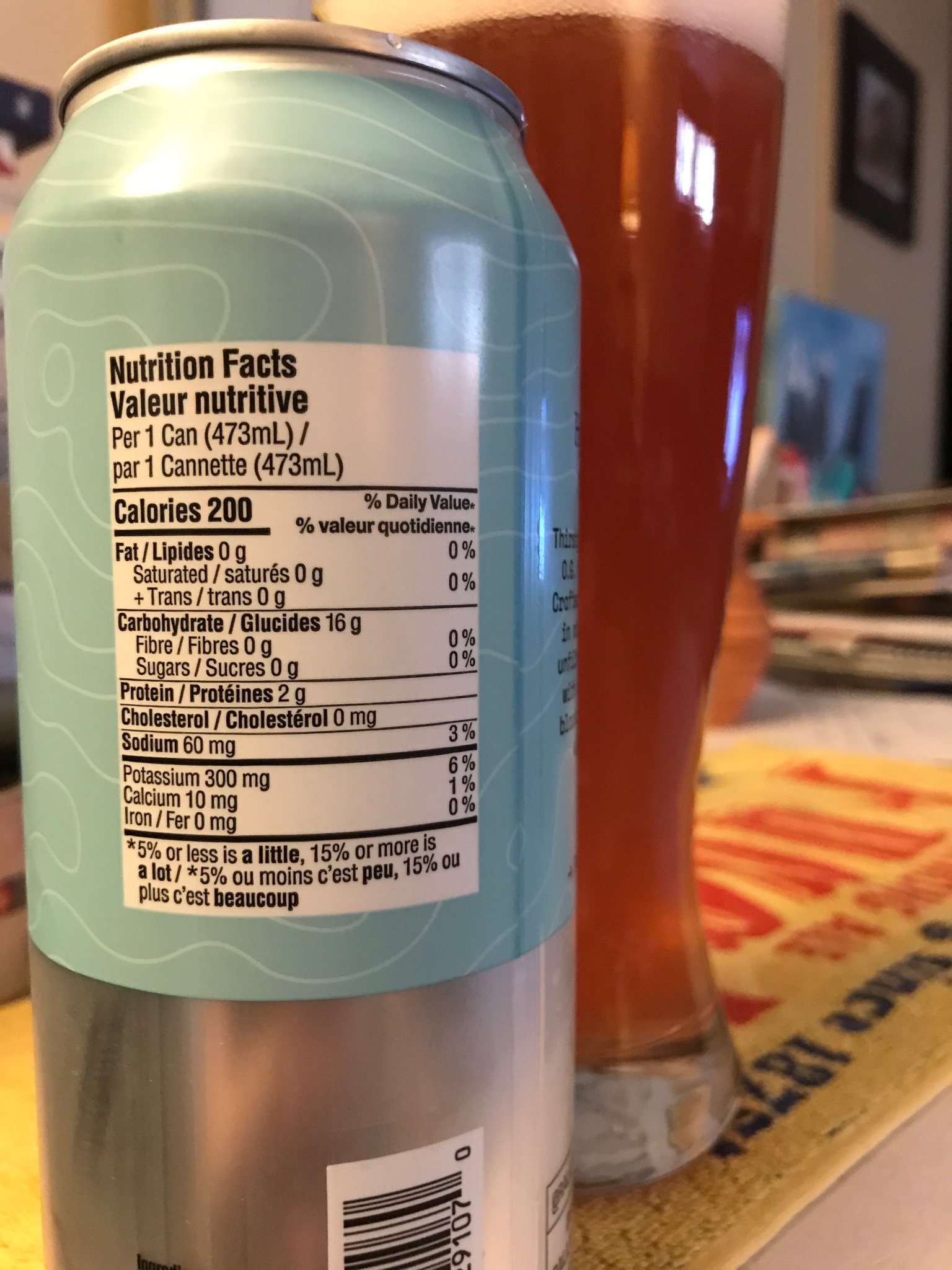
The Food Safety and Standards Authority of India (FSSAI) will soon come out with fresh regulations for two important everyday consumption items – bread and beer. Beer brands will have to disclose the calorie count per bottle or can while bread makers will be allowed to label products as ‘multigrain’, ‘whole wheat’, and ‘brown’ bread only if the items have specified amount of multigrain or whole wheat in them, FSSAI CEO Arun Singhal said.

There will be boo-hooing from the please-do-nothing crowd but calculation of beer calories is a reasonably straight forward matter. The only problem is how surprised the beer buying public might be.

Everyone one loves a story about a truck load of beer crashing across the roadway. I think only a load of fish thrown upon the hot asphalt is considered more remarkable but that’s because of the gross immediate squishy slippy driving conditions.

Martin wrote this week about the experience at a little investigate site of beer imbibations – a fitba corporate hospitality suite  – and found it… a bit sad:

£6.50 your pie and mash and peas from memory, and beer not much above Northern Quarter prices (double Kelham prices, of course). This is the cheaper end of the hospitality market, giving you a nice seat with your pre-match pie and pint, and seems to be a treat for the old fellas and the well-off bloke dragging his girlfriend to the match. And then you walk from the social club style bar to your padded seat and get distracted by Caitlin Jenner and goal flashes from Blackburn.

He then had a bit cheerier but also reflective experience with his Pa, down at the Plough & Fleece:

Across the road, we could see the nondescript cafe at Scotsdale Garden Centre busy as usual. The coffee and cake at the garden centre has long replace fish and chips and a pint at the pub, even though the pub is often cheaper and always the more homely option.

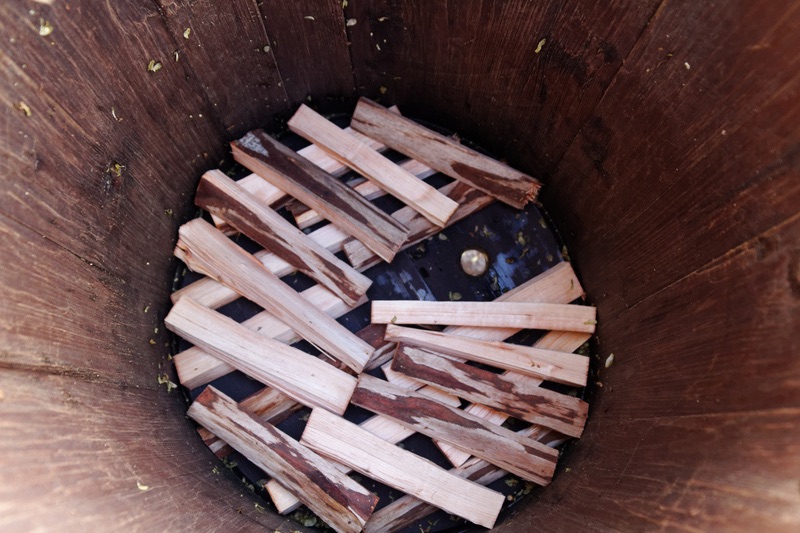
Lars as usual used social media to the fullest this week to discuss the role of alder wood as a filtering tool in Norwegian farmhouse brewing undertaking both hallmark mapping excellence and scientific journal review enroute:

I found a modern scientific paper which extracted substances from alder bark that they found to be antibacterial. Unfortunately, they were also antifungal and very effective against yeast, so clearly the concentration in beer isn’t enough to have an effect.

Q: has beer historian Amy Mittelman returned to beer blogging?

And just before the long last topic,  this week we received the sad news of the death of one of the leaders in the early years of the UK’s craft beer movement of 12-15 years ago. Dave Bailey was the owner of the Hardknott Brewery which was founded in 2006 and closed in 2018. He was sought out and sought out others who were thinking about beer, like we see in 2009. Alistair at Fuggled interviewed him in 2010. Dave’s brewery was as well known and certain as central to the scene as BrewDog in those years. He was only in his mid-50s when he passed. Dave was a great friend to those interested in discussing good beer and was a regular chatting in social media. My earliest Twitter chats go back to 2009. He kept an excellent beer blog that gave the straight story about life as a small scale brewer like when in 2017 he shared painful business realities connected to the question of how far to capitalize his venture. He had announced in 2020 that he was living with cancer. Very sad news of the loss of a pioneer. Thoughts are with his partner in life and business, Ann.

Finally, there was a bit of faff over the weekend about something claimed to be “Japanese Pilsner” which was neatly summed up by Jenny Pfäfflin this way:

Anyway, brewers using rice in their beer =\= a “Japanese Lager”—it’s a made-up style in that sense—but I don’t think you can write off the possibility there are distinct ingredients and processes that make Japanese-made rice lagers a style of its own…

I called it a fiction and some poor widdle cwafters went a bit boo-hoo. But were they right? It is always important to understand you may be 100% wrong 100% of the time. So let’s see.

First, the thing is even with that narrowing of focus that Ms. Pfäfflin recommends, we have to consider how late brewing beer came to Japan as well as how rice came to be in beer. Until around the time of the US Civil War in the mid-1860s, Japan was governed under a feudal system which had a strict cultural and economic isolationist policy that the western powers were actively seeking to break down. Breweries founded in the ensuing Meiji period were European and even American affairs. As I mentioned last November, the Spring Valley Brewery, founded in Yokohama in 1869 by Norwegian-American brewer, William Copeland. That brewery later becomes the Japan Beer Brewery Company and then Kirin. In line with the new general national policy of opening up to industrialization, what is now Sapporo was founded by what looks like a government agency, the Hokkaido Development Commission which hired Seibei Nakagawa, a Germany-trained brewer, as its first brewmaster in June 1876. Sapporo still brews Yebisu a Dortmunder/export lager, and Yebisu Black, a dark lager which were  first brewed in Tokyo in 1890 by the Japan Beer Brewery Company. These breweries were brewing German beers. As the CEO of Kirin Brewery, Kato Kazuyasu, in 2011 stated:

The Japan Brewery Company shared its primary objective of brewing authentic German beer. Veteran German brewmasters were recruited and the most advanced equipment and steaming systems of the time were acquired, all under the mantra of providing Japanese consumers with the most authentic quality and satisfying taste possible…

Now… consider Japan’s next few decades. Expansionist military imperial government leading through the Russo-Japanese War of 1904-05 through to the end of WWII. European influence continued in partnership with government industrialization policy as described in the 2014 article “Structural Advantage and the Origins of the Japanese Beer Industry, 1869-1918” by Jeffery W. Alexander*:

Like Kirin Beer, the firm that we know today as Sapporo Breweries Ltd. underwent a rather complex evolution – one that would take twice as long to unfold and would involve four unique phases through 1949. The first three of those phases are of interest to us here, for between its founding as a government-directed and development project in 1876, its reestablishment by private investors as a limited company in 1888, and its merger with two major rival brewers in 1906, the brewery received extensive technical assistance from a variety of foreign experts.

Through this merger, the Dai Nippon (Greater Japan) Beer Company, Inc. was created on 26 March 1906. It was only broken up in 1949 as the Allied Occupation forces sought to reverse the imperial policy of concentrated economic power. And, as Alexander states, beer in Japan “was brewed, advertised, and sold in Japan as a proudly German-styled commodity into the late 1930s.

After WW2, the United States occupied Japan from 1945 to 1952. There was an economic boom starting in 1950 due to the UN using Japan as it base for the Korean War. Starting at this time, breweries like the smaller Orion shifted from German style brewing to beers which more reflected American tastes. Not much of a vernacular brewing tradition to this point. For the next few decades that consolidated industrial approach continued as a handful of macro industrial brewing supplied the market (as Alexander states elsewhere**) “until Japan’s government decided in 1994 to again permit small-scale brewing.” Kirin held over 60% of the market during those years and competition was primarily related to draft innovations, packaging design and the dry beer market. Japan’s generic international-style macro adjunct lagers which required a minimum of 67% barley malt*** were joined by sub-standard happoshu starting in 1994 and in 2004 sub-sub-standard zero-malt dai-san biiru, a third-category beer all to feeding, one supposes, the salaryman market.

As Lisa Grimm explained in her 2018 Serious Eats article, early Japanese small breweries replicated the adjunct lagers:

The first craft brewery to open in Japan was Echigo Beer, and they struck something of a balance between the entrenched ‘dry’ beer trend and German- and American-influenced craft brewing techniques. In addition to pale ales and stouts, they also made (and continue to make) a rice-based lager that competes with the bigger players in the market—something of a gateway beer.

By twenty years ago, the Japanese branch of the globalist craft beer movement was moving at pace. Created in 1996 as the brewing division of an establish sake maker, Kiuchi, Hitachino Nest is one of Japan’s best known craft brewers. Its Red Rice Ale is first logged by a reviewer at the BeerAdvocate in 2002. So it’s done… even if only as a recent thing. But whatever is done, like German lager brewing in the later 1800s as well as US macro brewing in the mid-1900s, it is being done on the crest of another wave of globalist economic and technological innovation – craft.

So when you read about an American-made Japanese pilsnerbrewed with rice in the Japanese tradition” you have to understand this is really a sort of untruth. And a bit of cultural appropriation, I suppose. Rice in beer is an American innovation. American restructuring of the economy of Japan in the mid-1900s introduced rice into beer brewing because that is how Americans brewed. But that may make it actually a sort of truth as long as we set aside the fibs of craft and look at the situation with a more open mind. Let’s continue to look around a bit more.

When does rice get into beer? In Ambitious Brew, Maureen Ogle tells us in detail how Adophus Busch in the 1870s experimented with a form of what looks like a decoction brewing method which had eight pounds of rice to every five bushels of high quality barley.**** Light and bubbly beer. Tremblay and Tremblay explain how rice is used in the best US adjunct beers still to produce the effect they call “crisp” with again a fairly limited amount being all that is required. Budweiser, Coors and Miller Genuine Draft all having just under 5% rice in the mash which include +/-20% other adjuncts.***** They also explain how around 1950 US national advertising of beer hits its stride with Anheuser-Busch, Pabst and Schlitz being the premium brands.****** What America wanted. Home or away. It is so popular that the brewers of Canada in the mid-1920s******* during US Prohibition started brewing rice beer to serve the huge and very lucrative bootleg market. Including in Japan where they were the occupying government restructuring the economy including a oligarchical macro brewing industry that stayed in that form of few players, big players for the next 45 years. Which makes Japanese premium rice lager US premium rice lager.

Not only does rice make beer crisp, it makes production cheap. Barley malt is the best barley, the rest going to cattle feed and Scottish soups. Rice for brewing, however, is broken rice:

As brewing adjunct, rice has a very neutral flavor and aroma, and when properly converted in the brewhouse it yields to a light clean-tasting beer. Rice for brewing is a by-product of the edible rice milling industry, any kernels that may get fractured during the milling process (~30%) are considered undesirable are therefore sold to the brewing industry at a cheaper price. ********

The adoption of rice in brewing was part of a general move over decades to move away from heavier foods and drink, what Tremblay and Tremblay call “the growing mass appeal of lighter beer which drove most of the domestic brewers of dark beer out of business.“********* Short-grained or japonica rice is preferred in brewing.+ Japan’s brewer ride that wave, too, as part of the globalization of US macro industrial adjunct lagers that made Carling out of a Canadian beer, gave Kenya Tusker, gave Australia Fosters, etc. etc.

One more thing. How does rice get to the US to get later into the beer? In The Cooking Gene Michael W. Twitty explains how the Asian strain of rice came to colonial America in 1685  care of a very lost ship from Madagascar. Captured and enslaved people from Africa who knew how to grow rice were used forced agricultural labour and by 1770 150,000 acres of the US eastern shoreline were slave labour concentration camp rice plantations with 66 million pounds produced annually.+* After the US Civil War, about when Japanese isolationism policy weakens, rice production drops with emancipation but then shifts inland and become mechanized in Louisiana and Texas which, by the 1890s, are producing 75% of the US rice crop.+** Which creates a lot of broken rice for brewers, notably quite distinct from the top quality rice used in sake.+***

So if, starting in 1685, short grain japonica rice comes to the US, becomes a massively valuable cash crop with a very useful by-product of broken rice that is found to have a role in US macro brewing and then is taken to Japan as part of the post-war era of US Occupation… hasn’t that strain of rice circled the globe over about 260 years? And hasn’t the history of Japan been so affected by these global influences… even if they are arguably economic colonial or even technological hegemonistic influences… that their culture legitimately has a tradition of international rice adjunct premium lager that could be called “Japanese rice pilsner”? Hasn’t Japan’s brewing history been almost entirely based on international influence from the 1860s to now? But can you have a national tradition which is not… vernacular? I will leave that question with you as you next look at a bottle of craft beer labelled Japanese traditional rice pilsner which says “made in the USA” on the back. +****

Nice. There. Done. For more check out the updates from Boak and Bailey mostly every Saturday and from Stan every Monday, plus more with the weekly Beer Ladies Podcast, and at the weekly OCBG Podcast on Tuesday and sometimes on a Friday posts at The Fizz as well. There is a monthly sort of round up at The Glass. (Or is that dead now?) There is more from the DaftAboutCraft podcast, too. And the Beervana podcast. And sign up for Katie’s irregular newsletterThe Gulp, too (… back this week!) And check out the Atlantic Canada Beer Blog‘s weekly roundup. Plus follow the venerable Full Pint podcast. And Fermentation Radio with Emma Inch. The AfroBeerChick podcast as well! And also look at Brewsround and Cabin Fever. And Ben has his own podcast, Beer and Badword (which I hope is  revived soon…)  And remember BeerEdge, too, and The Moon Under Water.

*Brewery History (2014) 158, 19-37.
**Brewed in Japan – The Evolution of Japanese Beer Industry” (UBC, 2013) sample introduction at page 5.
***Not the main ingredient as some claim.
****Ambitious Brew (Harcourt, 2006) at pages 76-77.
*****The US Brewing Industry (MIT, 2005) at page 7.
******Ibid., page 52-53.
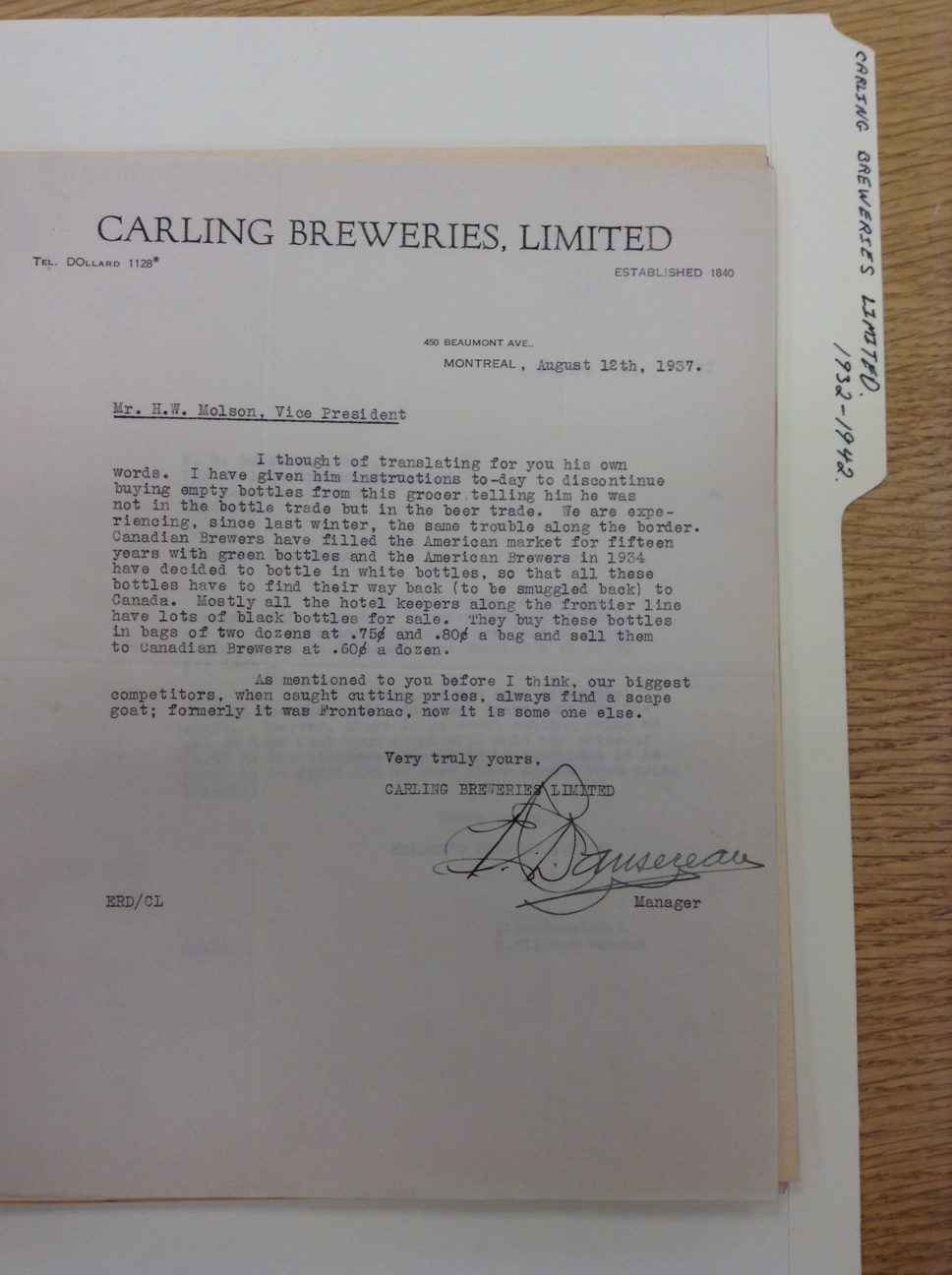
*******The King v. Carling Export Brewing & Malting Co. Ltd., 1930 CanLII 46 (SCC), [1930] SCR 361 at page 373.
********The Use of Rice in Brewing” in Advances in International Rice Research (InTech, 2017) by O. Marconi et al. at page 57 as well as this at page 51: “Usually, brewer’s rice is a byproduct of the edible rice milling industry. Hulls are removed from paddy rice, and this hulled rice is then dry milled to remove the bran, aleurone layers and germ. The objective of rice milling is to completely remove these fractions with a minimal amount of damage to the starchy endosperm, resulting in whole kernels for domestic consumption. The broken pieces are considered esthetically undesirable for domestic use and sold to brewers at a low price. Rice is preferred by some brewers as adjuncts because of its lower oil content compared to corn grits. It has a very neutral aroma and flavor, and when properly converted in the brewhouse it results in a light, dry, clean-tasting and drinkable beer.”
*********Tremblay and Tremblay, supra, at page 107.
+O. Marconi et al., supra, at page 50.
+*The Cooking Gene by Michael W. Twitty (Amistad HarperCollins, 2017) at page 243.
+**See Wikipedia article “Rice production in the United States” at section on 19th century.
+***See MTC Sake and Home Brew Sake websites.
+****Heck, name a brand “1685+1876+1945+1994=???” if you like.

Your Thursday Beery News Notes For The First Thaw

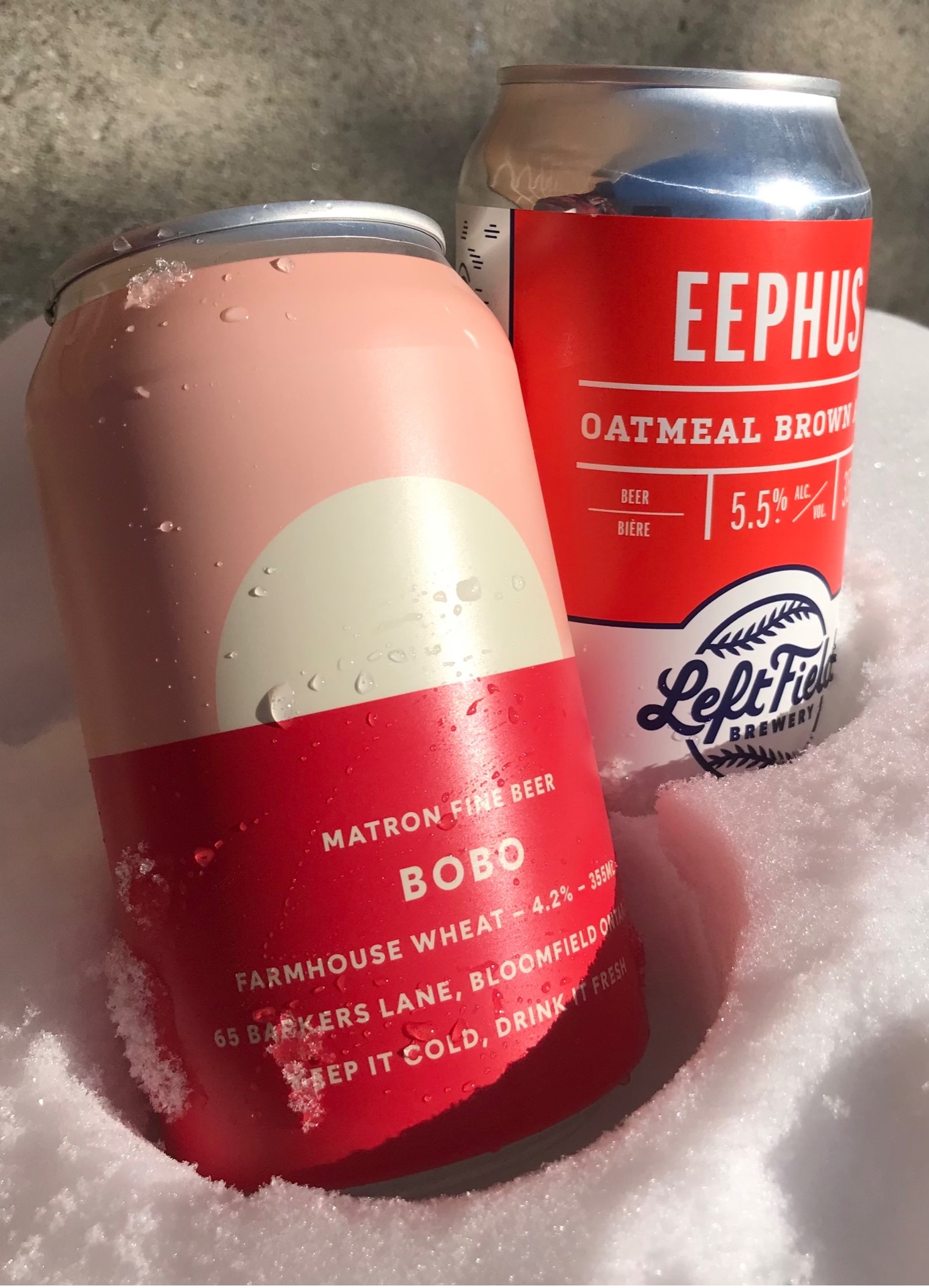
Not the big thaw, the ice jam busting thaw. Just the small thaw that tells you a big thaw is not that far off. The thaw that tells you you probably don’t need to buy more bird feed for, basically, the squirrels. The bastardly squirrels. You can sit out now. In the sun. With your Bobo and you Eephus. Yup, it’s a time when your mind starts to look forward to spring. And outdoor unpaid labour followed by a nice cold beer. That’s where it all started, right? As the old Temperance Society hymn told us, yardwork is the root of all evil. Soon coming. Get ready.

But for now, first up is The Beer Nut who found a bit of an expensive dud this week and it does make one wonder how much silent regret there is out there for this sort of thing:

Clearly this has been designed, and priced, for the special-occasion market. Anyone new to big barrel-aged stout and apprehensive about what it brings may find themselves enjoying how accessible it is. I couldn’t shake the feeling that it’s rather bland given the specs. I don’t want a sickly bourbon bomb but I do want more substance and more character than this displays. Perhaps releasing it fresh would have been the better move.

So not a drain pour but, still, not necessarily a beer you want to share with pals who know what’s what – or the price with thems who might not. Is there a word for that? There has to be a word. And what would our man in the EU think of this: blue beer in France: “Question?” “Yes, is it a shitty beer? “Quoi?” “Votre bier… c’est un biere du merde bleu, monsieur?” Peut etre.

Elsewhere, on a day out in Kent (are there ever days not out for Martin?) we gained another bit of knowledge on the rules of pub snacks as they relate to the odd hairy bits:

The Larkins was a lovely cool pint; that ramekin of scratchings a tad let down by the inclusion of pork crackling, which really ought to be outlawed. Unless scratchings have hairs on them, they have no right to that name.

There was a bit of a bittersweet tale posted by Boak and Bailey this week, a story of something found in a pub which starts:

On Saturday 8 March 1975, a 16-year-old boy wrote an autobiographical note on a piece of thin chipboard and concealed it in the skittle alley at The Lord Nelson pub in Barton Hill, Bristol.

Hey look! It’s Ren Navarro appearing on CTV discussing dessert beers nationally. A great public education public service.

Jeff wrote about what he called “malt consciousness” this week and I think he is partially, almost entirely quite right:

I had to spent eight days in Bavaria before something magical happened in my appreciation of beer. Because the main difference among the beers I drank (and drank and drank) came from the malt, I was able to tune into that wavelength. For the first time, I developed “malt consciousness.” I understood the role malt played—something many American brewers and most American drinkers still lack. Brewers are a lot more sophisticated now, and they understand that you’re not going to make a very interesting helles from generic two-row pale. Yet I’m not sure we’ve quite arrived at full malt consciousness.

If you go back to the brewing recipe books of twenty years ago, you will see much more interest in a range of malts that you do today. One of my first posted beer reviews eighteen years ago included the faded but one time most important US micro, Pete’s Wicked Ale. Before the new millennium, ales were malt and lagers hop focused. They really weren’t so binary but that was the story, as we see in this 1991 article about the Buffalo brewing scene or this one from 1987. Full bodied dark ales. Malt was the main event before craft appropriated and reframed micro in the early 2000s preparing us for the everything is IPA world we now want to leave behind. The present malt revival is great and adds another dimension to local brewing for sure. But it’s not new. We are remembering.

The big theme went off in another direction this week, a few more indications of the continuing death… or perhaps these are the zombie years… of craft like this:

Observation: There’s a LOT of confusion right now among wholesalers, trying to get a bead on the current direction of the craft beer industry. A general feeling of “something has fundamentally changed, but we aren’t quite sure what” going around. It’s creating some paralysis.

And Chris Loring of Massachusetts’ Notch Brewing shared this thought:

US brewers can take anything of value and tradition and make it a gimmick before beer drinkers experience the real thing. When was it decided we’d be clowns instead of professionals? I’m done, this is embarrassing.

Then… we learn again that a portion of CAMRA is populated by pigs. Then there was the end-timsey news about contract brewing no alcohol beer being a thing with the unskilled… and, of course, the Flagship February dead cat bounce. It is all flounder or founder? Whatever, I presume it all is the sort of cleansing we would expect after a pandemic… or a recession… or a competing innovation that draws attention elsewhere. Sorta facing all three makes for a guaranteed shift. M. Lawrenson had some interesting thoughts about the perhaps associated irritability of drinking establishments with social media observations:

Unfortunately, some places don’t see it this way.  Apparently, they live and die by their Google rating.  I gave 4/5 to somewhere last week.  On Sunday afternoon, they sent me a message saying “Hi, is there we can do to get you to change your rating to a 5?”  I struggled to think of a reply, as I’ve been to this place twice a week for the last 6 months and it’s been pretty much the same every time.  They could make it perfect for ME, I suppose.  But what’s perfect for me ain’t gonna be perfect for everyone.   Perhaps they recognised my name and imagined I’m some kind of “influencer” in the pub world.

Also, relatedly, I think this is one opinion that is about 180 degrees wrong about the nature of change we are seeing:

As someone who’s covered the seething angst and vexing contradictions of America’s craft beer industry and culture for over a decade, I find this a remarkable development. Where have all the hate tourists gone? Or, to put it another way: How did a craft beer industry and community so opposed to selling out become so inert in the face of their beloved breweries getting sold off?

Umm… maybe the development of small local breweries with no chance of ever being in a buyout maybe? The hate stop hating big craft and just moved on to a more interesting experience. That’s only the main story in history of good beer circa 2015-2022. Sweet status-based self-citation, however.

Note: “not Britain’s oldest boozer.”

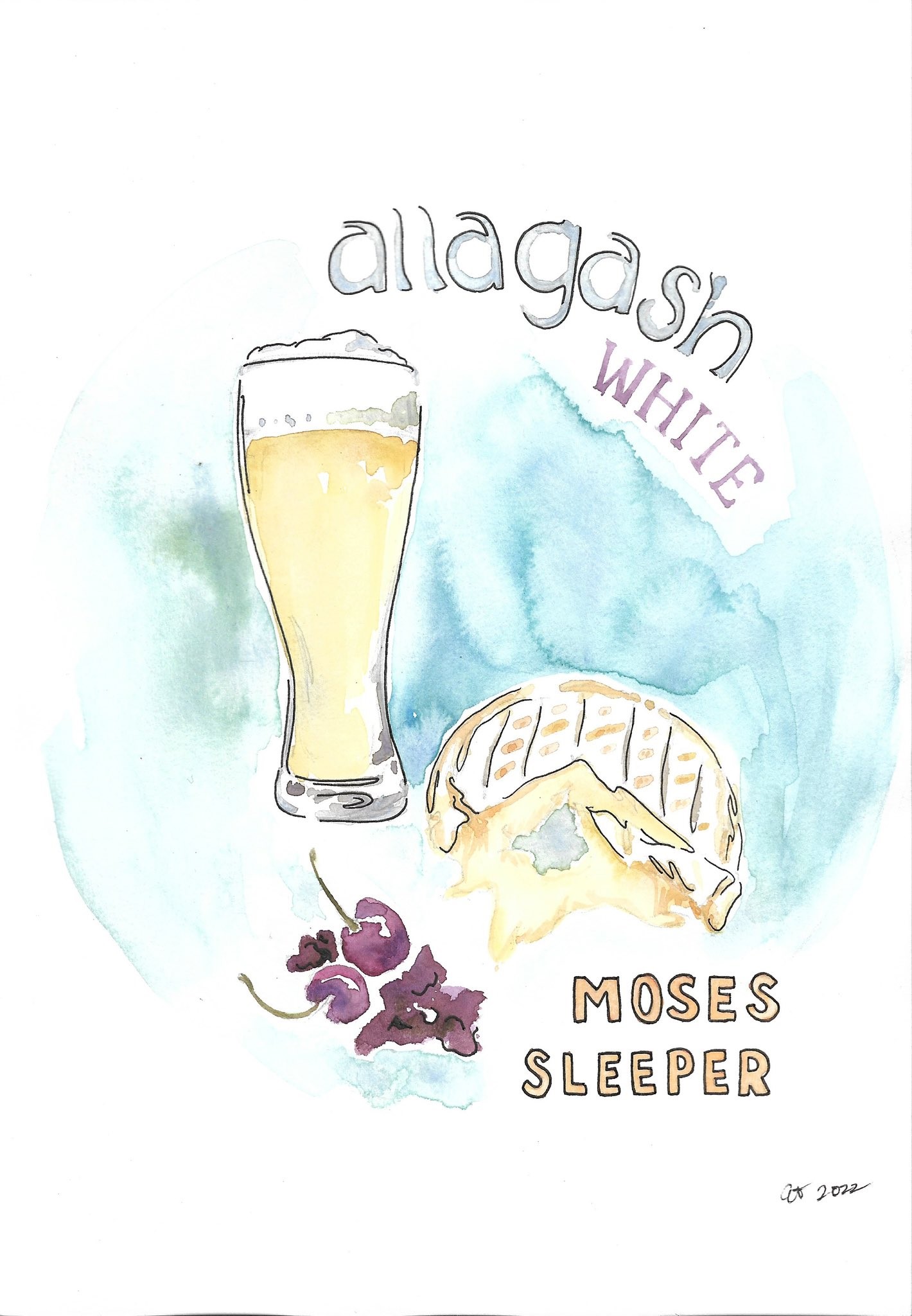
I really dislike most beer culture cartoons as they are… umm… not all that likeable* but I do like the more deftly drawn ones by Emily Thee Cannibal, possibly a proctologist, like this one about a pairing of Allagash White with a soft cheese… except I can’t stop feeling that the cheese looks like a dying PacMan. It’s a slower more dignified death for sure… but still.

Finally and weirdly, odd news from (i) the folks fighting against the bad actors and powers of BrewDog and (ii) the folk rooting for Mikkeller despite the bad actors and powers. Both groups seem to have engaged the same consultants to deal with their respective complaints. I hadn’t appreciated that in January there was an announcement that@PunksWPurpose had acquired a “platform to affected Brewdog workers to assist [them]… in their core mission of tackling Brewdog’s cultural issues” but saw today that the same consultancy was hired by Mikkeller to provide provide  a “Workplace Reconciliation Program.” This is a little confusing for me, being a lawyer who dabbles in areas of owner v. contractor, employer v employee issues, as you are either on one side or the other in my profession. Do you really want to share your experience to be used against an allegedly overbearing employer with someone hired by another allegedly overbearing employer to smooth the waters?**

Perhaps it is just as one correspondent wrote privately, “folks might be more interested in catharsis than anything else” regardless of the outcome in terms of justice. The display may be enough. Me, I’d say don’t rely on a consultant, get your own legal advice (especially when the consultant does not seem to understand independent legal advice means) or go to a tribunal (usually free). Whatever you do, be especially careful to not create a record of any complaint that ends up owned by the party against which you are making a complaint. You will see it next in your cross-examination when you do end up making that legal complaint: “… but didn’t you say in Feb 2022 the following…“***.

There. Done. For more check out the updates from Boak and Bailey mostly every Saturday and from Stan every Monday, plus more with the weekly Beer Ladies Podcast, and at the weekly OCBG Podcast on Tuesday and sometimes on a Friday posts at The Fizz as well. There is a monthly sort of round up at The Glass. (Or is that dead now?) There is more from the DaftAboutCraft podcast, too. And the Beervana podcast. And sign up for Katie’s irregular newsletterThe Gulp, too (… back this week!) And check out the Atlantic Canada Beer Blog‘s weekly roundup. Plus follow the venerable Full Pint podcast. And Fermentation Radio with Emma Inch. The AfroBeerChick podcast as well! And also look at Brewsround and Cabin Fever. And Ben has his own podcast, Beer and Badword (which I hope is  revived soon…)  And remember BeerEdge, too, and The Moon Under Water.

*rahrah, craft is great, comes in brown and other colours…kittens!
**Then the odd news turned into an odd thread when the consultancy lead jumped at the tail end of a chat I was having with DSL, wanting a discussion with me about Mikkeller, then suggested I was aggressive (no), directed me to the FAQs (no thanks) and sought to get me off Twitter and speak on the phone (really, no thanks). Crisis management deflection stuff. Frankly, I think I find most offensive thing is the use of “reconciliation” which is appropriate when talking about bringing a fundamentally divided nation together, not helping a frigging contract brewer cope with its self-inflicted crisis.
***But, then again, I pretty much did the same thing spilling my beans such as they are, a bearing of witness to a hired investigator about my tangential involvement in a similar issue… which was where the discussion with DSL started – and should have ended. Go figure.

The Beery News Notes For The End Of January And Perhaps Of BrewDog

What an odd week. Very bad stuff about craft beer in the UK then more about very bad things in Ontario craft beer. Didn’t help that I was reading Motherwell, a recent memoir about someone about my age whose family didn’t emigrate from the same bit of Scotland mine left behind for Canada in 1956. Grim pain and judgemental negativity pulsing through a hardscrabble family living through hard times in an industrial town near Glasgow. We dodged. Just a few phrases I heard growing up echoed. I hated “know your place” the most, especially as I didn’t have to. Why bother? Why should anyone? Why in craft beer now? Who are these assholes?

MindbogglIng. Let’s start somewhere else. Stan’s latest edition of Hop Queries came out this week with good news from the Czech Republic:

Czech farmers harvested 18.2 million pounds of hops (for perspective, that’s about as much as Americans grow of Citra alone), 40 percent more than 2020 and 34 percent more than the 10-year average. Average yield of 1,467 pounds per acre was an all-time high. (American farmers average 1,900.)

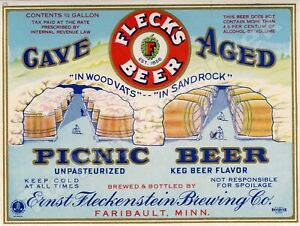
Gary updated a series of posts that he began in 2020 – who hasn’t been up to that sort of thing? – and included the image to the left. It’s not a super huge .jpg but worth a click. I love the name of the beer – PICNIC BEER. It needs an exclamation mark. It needs to be on every brewery’s list of brands. Anyway, Gary was actually not writing so much about PICNIC BEER out of Minnesota as the use of the term “sand porter” in Montreal brewing in days of yore – by which I mean the late 1800s aka The Gilded Era:

Until recently I felt the sand-topped lid idea made the most sense (some English brewers still practiced it into the next centuries, using “marl”, a similar idea). However, in studying recently the history of a Minnesota brewery, Fleckenstein, I now have a further idea what sand porter meant.

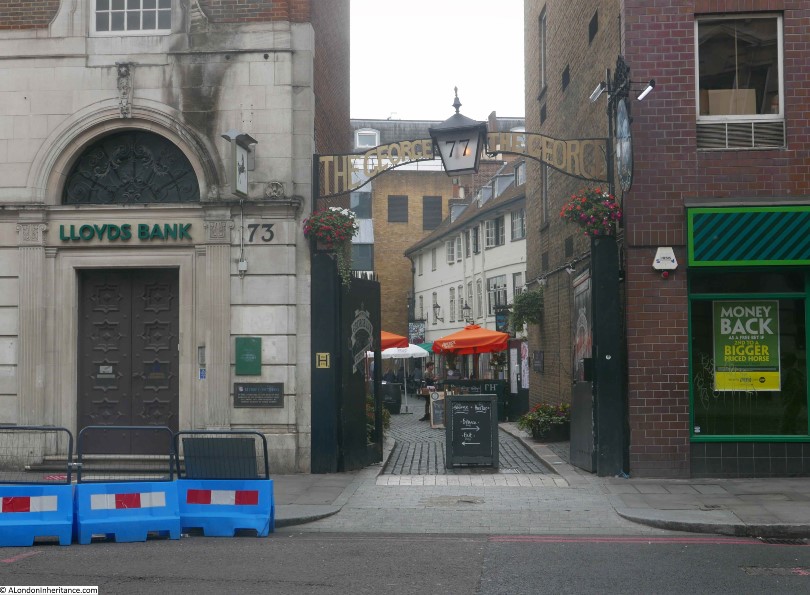
Speaking of yore, the free web service known as A London Inheritance included a post on the George Inn in Southwark which was, as we all recall, the subject of Pete Brown’s book Shakespear’s Local. Lots of unconventional photographic views and mapping, like this one to the right giving a very unromantic vision of what you actually see from across the street. It is actually a massive post. A data fest. Well worth reading. The post includes this astute observations about the value of certain second hand books:

Old books help as they provide information closer to the time they are recording. Some care must be taken to double check, but they are a good source of information. These books also have their own history as they pass from owner to owner over the years, accumulating a memory of their time with some of the owners of the book.

The post then goes on to highlight photos and even a letter relevant to the subject that had only been stuck in copies of books that he had found over the years. All fabulously illustrating the unique archival value blogs. Much praise to the author… whose name is not particularly highlighted on the site. Freddie?

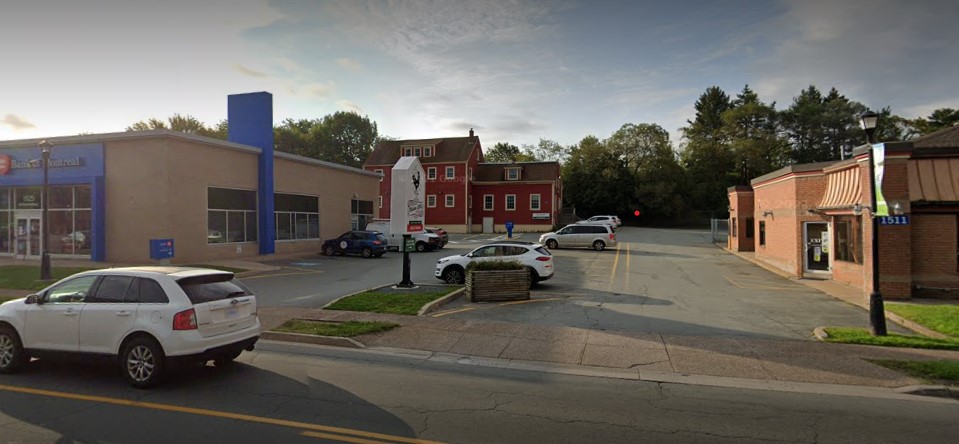
On a similar theme but in a colonial context, I saw a reference on Facebook to Ten Mile House in Halifax, NS (my old home town) this week and wondered what shape that was in:

The house was located ten miles from Halifax on the Bedford Highway. It was built in the late 1700s for Colonel Joseph Scott on land granted to him in the 1760s. In 1798 it was called Scott’s Inn, and opened as a House of Entertainment by John Maddock. Joseph Scott died in 1800 and his widow Margaret conveyed property to John Lawlor. Who opened and operated Lawlor’s Inn from 1802- 1809, possibility later.

Nice image at the Nova Scotia Archives website. As you can see from the thumbnail it is now sitting well back of the main road, the Bedford Highway, but looks from photos on Google to be in very good shape right by The Chickenburger. There are plenty of these colonial taverns and inns out there if you know what you are looking for. Like a favourite of mine, the Fryfogle. Interesting note: at the time Ten Mile House was in operation as Scott’s Inn in the late 1790s, it was just down the road from the estate of Queen Victoria’s father, the Duke of Kent. The tavern not the Chickenburger. The Chickenburger is old but not that old. I will pay it a visit when I am back there in early March.

And in one last note about built heritage of pubs, taverns and inns this piece in Eater Chicago was interesting in terms of how one preservation project was undertaken:

While Lincoln Square reconfigures during the pandemic — across the street from the Brauhaus space, the Huettenbar has quietly closed (owners hold to hope that it could eventually reopen) — fans can take solace that the Brauhaus has returned in a slightly different format. The bar, at least in spirit, is now located on the second floor of the DANK Haus German American Cultural Center.

In a less physical form of preservation, Edd Mather posted this bit of video on facebook, a fabulous step back into the near past of Ireland and the question of corks v. crown caps which relies on any number of associated technologies:


OK – the bad news. I have mentioned this before so let’s be upfront. Once upon a time, BrewDog sponsored this blog. When they were tiny, not the £2 billion international corporation they are now. I still have that label from a sample they sent at the time and it was put on with Scotch Tape. Well before the stupid squirrel and certainly well before BBC Scotland News detailed what apparently everyone in the trade knew but too often was not willing to put into print. The main allegations so far:

a. James Watt owns a massive amount of shares in the global beer brand Heineken hypocritically contrary to his “big beer is bad” stance.
b. James Watt is accused of being a pervy boss;
c. BrewDog falsified paperwork submitted to allow it to import into the United States; and
d. BrewDog carefully structured the Equity for Pinks fundraising to benefit the brewery and not the investors.

This reaction to the first bit of news is gold. Deals between breweries started to come apart. Punks with Purpose said the fight goes on. There were also calls for a resignation. Also questions: “why the obsession?” I will leave it there* as you all know this – and my job is to root out the unknown and beery for your reading delight.** BrewDog has not been delightful for many many years. But we need to remind ourselves, while they are big they are just one of many – as @esbroadfoot helped remind us by inviting  and sharing stories of rotten treatment, largely in the Canadian craft scene.

Still, by Wednesday, it all seems to have put JJB/Stonch in a reflective mood:

Placing orders to fill an empty pub cellar has made me realise what an amazing choice of absolutely superb beer from independents I have. Yes, the craft beer industry has its bad sides, and faces daunting challenges this year, but let’s not forget how brilliant it is.

He’s always hated BrewDog pubs (“…Awful aesthetic, odd places….”) but appreciates how others feel cheated. He also reminds us to be kind to the good folk who distribute our beer. He also posted a link to a 15 year old post about the horrors of a pub crawl in St. Albans, home of CAMRA, for a fair and balanced set of thoughts.

Elsewhere in space and time, Ron has been exploring the colour of milds and has come across a new unit of measurement – tint!

The biggest problem is the lack of hard data. It’s tricky calculating the colour from the ingredients, especially when sugar is involved. As this is mostly only described very vaguely. There are very few records of beer colour before WW I. Occasionally chemical analyses will include a number for the colour, mostly in some weird scale that died out 100 plus years ago. Only a handful of Barclay Perkins records from the Edwardian period include the beer’s colour. At least that’s what I thought. Until I happened to notice that line in a Fullers brewing record. That “Tint” number looked like it was in an understandable scale. The type of Lovibond used before WW II.

Even further afield, does Syracuse have a low estimation of its own worth in the beer world? Like Toronto?  As bad as that? I spent a lot of time in Syracuse up to a certain point… the point at which the Canadian dollar collapsed from parity to 75 cents frankly. For AAA baseball. For the beer shopping day trips. For bars now long gone like The Blue Tusk and Clark’s Ale House. For Wegman’s. I love Syracuse. I used to cross sometimes just for the white hots. Je me souviens… but more to the south…

Finally, note: union made. Nova Scotian beer cases always said that too. Plus health tax included. So by drinking beer you knew were doing your part. I might do a bit of that when I head out east in March, too.

That’s it for now. Too much. For more check out the updates from Boak and Bailey mostly every Saturday and from Stan every Monday, plus more with the weekly Beer Ladies Podcast, and at the weekly OCBG Podcast on Tuesday and sometimes on a Friday posts at The Fizz as well. There is a monthly sort of round up at The Glass. (Or is that dead now?) There is more from the DaftAboutCraft podcast, too. And the Beervana podcast. And sign up for Katie’s irregular newsletterThe Gulp, too (… back this week!) And check out the Atlantic Canada Beer Blog‘s weekly roundup. Plus follow the venerable Full Pint podcast. And Fermentation Radio with Emma Inch. The AfroBeerChick podcast as well! And also look at Brewsround and Cabin Fever. And Ben has his own podcast, Beer and Badword (which I hope is  revived soon…)  And remember BeerEdge, too, and The Moon Under Water.

*But if this is correct and such acts are common in craft beer, well, we can all agree that anyone who knew this and is claiming to be reporting on the beer trade… is pretty much a fail, right? If not complicit… right?
**Plus I am aware of my own little realistic chance of not ending up in HELL!!!

The Thursday Beery News Notes For When Winter Actually Showed Up

While we didn’t break the record of most snow in a century like Ottawa to our north did, I has to shovel snow five times on Monday to clear and keep the driveway clear. Not sure I would find, as a result, the idea of a pub with an outside men’s room would be wonderful. I mean I have heard of such things… but here? That doorless door there? It’d be filled with drift. Snow drift. Right up to that bracket to the left of the door frame there. Don’t fancy that. Chilly. Something something rhymes with chilly.

Well, perhaps speaking of which, the big news broke on Wednesday that Brewdog has apparently been falsifying documents submitted to the US government. As BBC Scotland found out:

Scottish beer giant Brewdog sent multiple shipments of beer to the US, in contravention of US federal laws, a BBC investigation has found. Staff at its Ellon brewery told the BBC they were put under pressure in 2016 and 2017 to ship beer with ingredients that had not been legally approved. One US-based importer said they had been deceived by Brewdog. In a social media post on Wednesday, Brewdog CEO James Watt admitted to “taking shortcuts” with the process.

Having practiced low level criminal defense law for about a decade, it is always great to see a suspect get chatty like that. What makes it really quite amazing is how §70.331 of the Fed Reg Title 27, Chapter 1* related to the Alcohol Tobacco Tax and Trade Bureau of the US Treasury Department provides that:

Any person who willfully delivers or discloses to any officer or employee of the Bureau any list, return, account, statement, or other document, known by him to be fraudulent or to be false as to any material matter, shall be fined not more than $10,000 ($50,000 in the case of a corporation) or imprisoned not more than 1 year, or both.

But that right up there, as a pal says when I point to a by-law at work… “that’s a law!” Which it is. Which allows for a year in jail. Yikes. Dumbasses. No wonder Dan Shelton, former US importer and man whose name became a new verb, stated that he had been deceived: “They did lead somebody in my company to falsify documents.” Wow.  To think Brewdog once sponsored this blog… I am so embarrassed. I would have thought Prince Andrew’s situation might have been a warning to Brits who are a bit deluded about their proper place. No, apparently not. Perhaps it was a plan to distract folk from their incredibly retrograde insensitive and perhaps even Neanderthal-esque approach to promoting better mental health… you know, when they weren’t, what did the BBC write in that article… running a model workplace… what was it?

One former worker told the investigation: “The pressure was enormous. ‘Just make it happen’, that was the culture. It was clear to us this was coming from the top – from James [Watt].”

Elsewhere and hardly at all as suspect, Stan has been on a bit of a roll, posting five times at his space. He may be making a point of some sort. He wrote this under the heading “#nottwitter 04“:

Can somebody point me to a blog post, an academic paper, something from the New York Times, wherever, that provides insight into what might be called unhealthy nostaglia and the ramifications? And how might it relate tradition as a trap?

I am not sure what is up. Is there a pattern?  Whatever it is, it may be that this post’s point is found in the next post, the Monday beer links: “when we buy into that nostalgia, it might be best to stop and consider what we are longing for.” Isn’t what nostalgia what beer is for? Remembering? Daydreaming? Hmm. Then – get this – then Stan hid a clue in the title of his next post: ethyl octanoate. Ethyl. Octanoate. Think about it. Anyway, it terms of the speed of nostalgia, it moves fast with craft beer. Four Pure and Magic Rock are in a “process“:

We want to update you on some news. As we go through this process, our priority remains our superb team and brewing great beers.

Better a process than a legal process, eh? The Grocer has deets:

“While no decisions have been made, we need to determine how to best set Magic Rock and Fourpure up for success in the coming years. Our team have been informed of the review and we are committed to supporting them through this time.” Fourpure has struggled to make headway in the supermarkets, despite the huge surge in alcohol sales over the course of the pandemic…. In contrast, Magic Rock’s off-trade volumes rose 125.4%…

Well! As with the news last week about the Aussie wine guys buying up US craft, the news about the Aussie beer guys going wobbly on UK craft is par for the course. Dust in the wind. Chose your pop prog song title from the mid to late 1970s. That is what it is.

Thinking about thinking, Ron reflected on the year ahead this week in terms of his own mobility:

Plague permitting, I’ve a few trips planned and a couple of others pencilled in. Corona is a real blessing to travellers. The internet had made travels far too simple. The virus adds a delightful randomness to the proceedings. Like planning a European tour in the summer of 1918. Every time I book a flight I wonder: “What are the chance of me actually taking it?” Nothing is more thrilling than checking the internet until the second before you leave for the airport that the flight hasn’t been cancelled. Or wondering if you’ll be let out of the country once you reach your destination. I love the Phineas Fogg feeling the uncertainty brings.

All this uncertainty. Is that the word of the month? I bought a ticket to a CNY beerfest this week at Craig’s urging. Not sure I see how I could ever go to it but it is at least four months off and I suppose I could rent a camper van and look at people out the window. Now he tells me it’s Mothers Day weekend.  Great.

Conversely to that fest, there is as much to learn from a poorly made or poorly thought out beer. Matt is right. Don’t be a jerk. But also don’t be fooled twice. That’s what got us in this mess.

The Beer Nut found perhaps the dullest beer ever.

Retired Martin found a micropub based the theme of the group The Jam. I was their only fan in high school. Until my pals listened to my records. Not sure even I would stay long.

A few reviews of the ABInBev TV promotional show, Beer Masters, have come in. Boak and Bailey added to Ed‘s observations this week:

Perhaps, however, they could have spent less time on the somewhat laboured descriptions of what makes an Abbey beer, or a pilsner, and told us a bit more about the contestants’ kits. We could see some interesting gadgets and arrangements that were never really discussed. If the aim is to spark a home-brewing revolution, as was suggested at a couple of points, then this probably won’t do it.

Good point. This is the sort of TV that does not interest me but at least it appears that a bit of big brewery money has made for a show that is actually not dreadful. Remember that horrible show produced as an advertising vehicle for Dogfish Head twelve and a half years ago? Of course you don’t as most of you were still in elementary school back then. That show was absolutely dreadful. Note: it was also called Beer Masters.

Somewhat related in the sense of horrible US craft beer messaging. Jeff considered the limits of independence this week with yet another tale of yet another takeover:

This isn’t a problem of the Brewers Associations’ making. It’s a structural feature of the beer industry in the US. It is also a worrying development, an echo of an earlier era when consolidation blighted the industry. What does it say about how we regulate the sale of beer in the US that the most successful start-up breweries eventually have to sell out to giants to survive? Is this the world we want to live in and, critically, what changes would allow those larger regional breweries to compete?

I can’t really agree that this is worrying. I mean if you are worrying about this you must have a pretty worry-free life.  The idea of the “independence” of craft beer was dumb in 2009, in 2012, in 2015, in 2016 and still is today. See what I wrote in six years ago under that 2016 link?

Recently, the Boston Globe profiled private equity firm Fireman Capital Partners, the investment folk behind the expansion of Oskar Blues and the cash injection into Florida’s Cigar City Brewing. You think those guys are shaking in their boots over the prospect of a rival fund based on Stone’s ethos? Hardly. The experienced private equity players will out bid and out run their deals. It’s their business, not a hobby or a faith-based act of grace.

Money knows what money is about. Craft beer is about making money. Ask the Aussie wine guys. Unless it is about Berlin. Then craft beer is not about making money. Elsewhere and far more pure of heart, Lars came to a realization this week:

That feeling when you sit down to summarize the development of Norwegian brewing processes and the process of explaining forces you to realize that for 3/4 of the time people have brewed beer in Norway there is zero knowledge of how they did it. No evidence, no theories, nothing.

I might add that we should always be alive to the other 1/4 being 3/4s correct, too. That is the issue with all histories which is why it comes in a plural. But I expect this to spur on even more of his excellent and single-handed research.

There was a good question put to the chattering classes about the most influential European breweries on the US beer industry but I couldn’t muster the energy to decode influential so only watched the ticker tape pass through my hands. Gary went with Chimay and then wrote a follow up:

My history with Chimay started long before this blog inaugurated in 2015. My first Chimay was in a stone-flagged bar in Montreal, Quebec around 1980, served in the stemmed “chalice” long associated with the brand. I was in Vieux Montréal, the oldest part of the city whose mix of old French and Victorian British architecture contrived to offer a “European” atmosphere (still does)…

The Tand picked up a very similar ball – round and bouncy – and gave it a swift kick himself and wrote this about TT’s Landlord:

Me and Taylor’s Landlord have a bit of history. When I first came to this neck of the woods, a local free house used to sell it. It was on the way to Tesco when we did our weekly shop, and we always stopped on the way back for a couple.  It was a rich, balance of malt and hops, with a distinctive floral touch. The term multi layered really did apply to it.  Alas, the free house was sold to Robinsons and the then landlord presented me with the Landlord pumpclip as a farewell gift. I still have it. And that was that. No more readily available Taylor’s. I have supped it in Keighley too over the years and when I saw it on a bar, I always tried it. E loved it too. Of course, there is a but. Over the years, it just hasn’t retained its appeal somehow. It isn’t the same.

Question: “What makes the Golden Ball special?

As I am wont to do, when I compare this review of good wines by Eric Asimov in the NYT with what would happen if anyone tried such a thing in a publication about beer I once again am between saddened and confused. Imagine if wine writers wrote “for the trade by the trade” as is often the brand with this sort of beer. No one would take the opinions offered seriously. It’s the neighbour of scandal.

Finally, Jordan took one for the team and drank a bunch of no-alc beer samples he got in the mail. While I would approach that opportunity with the sort of anticipation I might feel just before… what… anyway, Jordan found some good in doing it by suggesting not doing it:

I struggle with Non-Alcoholic products. By my lights, I’d prefer to have beer with alcohol or something that’s not beer. I probably get through three litres of fizzy water a day. While I understand that there’s a question of inclusivity in gatherings and that people want to hold something that looks like a beer so that they feel included, I feel that things are slightly different if you’re… you’re a… [Ed.: hmm he spelled “grown up” wrong…].

And I have been playing with the Patreon thing a bit more. Notes on beers I have tried, thoughts on books and beer culture as well as my war on squirrels at the feeder. I do like how it provide a low barrier to easy access. I can be ruder there. Like cable TV as opposed to broadcast.

That’s it for now. That’s a lot. For more check out the updates from Boak and Bailey mostly every Saturday and from Stan every Monday, plus more with the weekly Beer Ladies Podcast, and at the weekly OCBG Podcast on Tuesday and sometimes on a Friday posts at The Fizz as well. There is a monthly sort of round up at The Glass. (Or is that dead now?) There is more from the DaftAboutCraft podcast, too. And the Beervana podcast. And sign up for Katie’s irregular newsletterThe Gulp, too (… back this week!) And check out the Atlantic Canada Beer Blog‘s weekly roundup. Plus follow the venerable Full Pint podcast. And Fermentation Radio with Emma Inch. The AfroBeerChick podcast as well! And also look at Brewsround and Cabin Fever. And Ben has his own podcast, Beer and Badword (which I hope is  revived soon…)  And remember BeerEdge, too, and The Moon Under Water.

*Feel free to correct my US citation style. I took and oath to the Crown so you can just consider it payback for the whole “War of Independence” thing.

These Be The Beery News Notes For Mid-January 2022

We are already at a mid-point. But there are plenty of them to do around. Pick one point and then another? You’ve created a mid-point. I saw this image from a late 1960s airport or train station waiting area. I remember these at the Halifax airport, coin operated TV chairs. Some sort of mid-point going on. With ashtrays. We are at another now. Mid-January.

This bit of beer business news has every member of the semi-pro beer chattering class without experience in business* scratching their heads:

Molson Coors Beverage Company said today it will stop production of its Saint Archer brand and sell its San Diego-based brewery and taproom to Kings & Convicts Brewing Co., which owns the Ballast Point brand.  

As I reported… relayed… poached from Josh Noel in the Chicago Tribune, back in December 2019 Kings & Convicts, an apparently tiny craft brewery in Illinois bought one time mega-brand Ballast Point. The purchase was made with a bucket of moolah earned from a hospitality asset sale by K&C principal Brendan Watters in 2015  along with input from other friendly and wealthy investors including wine magnate Richard Mahoney. These brewery buys at pennies on the dollar are no doubt a doddle for folk at that level.

In another sector aimed at making the moolah, the sad news has been reported by Jaime Jurado that something called the Adult Non-Alcoholic Beverage Association has been created. A concept which seems to put the moron in oxymoron. As it is not about beer, it shall never be referenced again – except when someone mentions “neo-prohibitionists” again. Then I can say:

What? You mean the ANBA?

Best NA-NF quote of the week? This:

Price is an issue. Not sure how I’ll feel about that once work isn’t paying for the beers.

What? Govern the opening of your wallet accordingly, I suppose. Spare a measure of salt when reading review by those who get the freebies. Next fad to return? Temperance bars. As noted by Martin, the mastheadless blog Evo Boozy Scribbler discussed a variation on that theme:

I have nothing but disdain for booze free curry houses. Having a pint of Cobra is part of the experience. I don’t take my own roast potatoes to a carvery.

Well, it’s part of your experience. Why can’t people on the beer imagine that there is a world where being people on the beer is not considered the height of civilization’s progress? I rarely have been with my curry but, then again, I equate it with family meals, not piss ups.

Speaking of food and beer, this is an interesting argument from Zambia related to food security:

Well, if we are talking about food security, perhaps we could start by checking the quantity of maize going into beer before we think of suspending meagre exports of less than a million tonnes because if this info could be true, it could mean us who drink chibuku, ‘eat’ more mealie meal in three months than what the whole country uses in a year! Mwaimvela kanongobilitina skopodicious, ka? But not everything is bad about opaque beer, “…it gives you 13.1% of body energy when you drink,” my friend told me.

Changing course, a high honour and one I agree with entirely was bestowed by Garrett Oliver this week after listening to Matt Curtis interviewed by the two folk at BeerEdge recently:

I don’t really follow the beer press; as a producer it sometimes feels grubby and unseemly to do so. But I will say that this interview put a lump in my throat more than once and made me switch my mental hat to “writer/journo”. We do need actual journalists. Glad of these folks.

Through this troubled world of everything from PR puff to academic research, it is good to note how much quality there actually is – as I get to do each week. While a sort of drinks writing is a narrative with no greater arc, writing attracted to novelty (or even whatever it is that has briefly twitched… right over there, do you see it?) we see another relatively recent aspect of this is how good beer writing is developing and unfolding is the phenomenon of people writing about serious issues faced in life – from humanity’s injustices to the  deeply personal – seen through the lens of something somehow related to beer. On excellent example this week was provided by Jonathon Hamilton in Pellicle:

This time last year I wrote my first essay for Pellicle. It was, like this, a self-reflective piece about the beginnings of the magazine, alongside my own struggles with mental health, imposter syndrome and a sense of belonging. Putting myself out there in such a way was one of the most difficult things I’d ever had to do, and I would love to tell you all how it immediately changed me for the better. Unfortunately, it did not.

Similarly, note bene the bene noted:

It’s true that the total number of blogs has declined over the past decade, but the number of good blogs has never been higher. Moreover, they fill a role that would otherwise be left vacant. Beer is little-covered by newspapers and magazines, and often merely superficially. No one is going to print one of Ron Pattinson’s lists of 19th century grists in the Wall Street Journal. Social media is great for opinion and linking, but not much else. Imagine Lars trying to present one of his enthnographies on Twitter. Larger, more ambitious projects like Craft Beer & Brewing and Good Beer Hunting are doing fantastic work and I don’t want to diminish their effort. But blogs are still critical in the media ecosystem—and, given the anemic state of print journalism and the increasingly toxic nature of social media, more important than ever.

Hooray and happy sixteenth beer bloggaversary, Jeff!

There was a sad sighting of another of a bit of a failed PR initiatives this week: Tryannuary. How 2015. How could they have known that a global pandemic would raise general concerns about personal health?

In Scotland a wonderful protest was seen this week in Dundee, where the King of Islington, a Dundee pub was suddenly closed without warning and then suddenly reopened without warning:

Staff at a Dundee bar at the centre of Covid-19 cover-up claims have been told to return to work this week following a sudden closure. The King of Islington pub shut on Saturday with upper management blaming “massively reduced trade levels” due to the “promotion of unsubstantiated claims” in a union-backed grievance letter from staff. Kieron Kelleher, assistant manager at the Union Street venue, accused pub chain operators Macmerry300 of victimising staff who spoke out.

Protests had also been held at pubs owned by the same chain in Glasgow as events unfolded. As a child of a child of the Red Clyde, I got all verklempt.

This week’s Tufte Award for Best Visual Display of Quantitative Information goes to… a chart that explains what we know as “hard liquor” in Canada but described as spirits in the Old Country. It is from Colin Angus using data from Public Health Scotland who first ran a poll, most people guessing gin would be #1 rather than the bronze medal winner. Well down the list but still – who is drinking all that brandy?

The Canadian Beer Cup is off. Now… calm down. Breathe. I am sure it was a big deal in your household, too, but the reason  for the cancellation is… singular and real:

…guidelines announced last week by the Ontario Government in response to the rapid surge in cases of the Omicron variant limit indoor gatherings to a maximum of five people, making it impossible for in-person judging to take place at this time. “One of the goals of The Canada Beer Cup is to showcase the greatness of Canadian breweries to the world,” said Rick Dalmazzi, Executive Director of the Canadian Craft Brewing Association, in a statement. “With all due respect to the many fine Toronto and Southern Ontario judges who will be involved, we want to do everything in our power to also include the many international and cross-Canada judges who have committed to our event.”

In plain language, there was clearly a large aspect of this that was a Toronto tourism event bringing in judges who were also newspaper columnists and consultants to retailer, etc.** (One need not take that statement above in the cancellation notice to suggest that while Canadian beer may be underrated, well, our own Ontarian beer judges are somehow overrated.) Now… how to transition and stay within the overall goals. As happened in the World Beer Cup (whatever that is when it is not the World Beer Awards), beer submissions will be poured. What does a next step look like? Apparently the Greek Cup of Beer or the Greek Beer Cup or the Greek Beer Awards was not so needy of auslander praise as they also just mailed out the samples to the usuals. As did the World Beer Awards. Something will occur. I just hope that there are government grants that buffer all this, that cover the unexpected stranded costs that demobilization and remobilization incurs. Stranded costs are a killer.

Non-beer recommendation of the week:  follow AndyBTravels. He’s train fan who runs a Travel Architect Service. He also wanders around remote parts of places like rural Romania where this week he captured some desolate spots and also some gorgeous moments.

That’s it for now. For more check out the updates from Boak and Bailey mostly every Saturday and from Stan every Monday, plus more with the weekly Beer Ladies Podcast, and at the weekly OCBG Podcast on Tuesday and sometimes on a Friday posts at The Fizz as well. There is a monthly sort of round up at The Glass. (Or is that dead now?) There is more from the DaftAboutCraft podcast, too. And the Beervana podcast. And sign up for Katie’s irregular newsletterThe Gulp, too (… back this week!) And check out the Atlantic Canada Beer Blog‘s weekly roundup. Plus follow the venerable Full Pint podcast. And Fermentation Radio with Emma Inch. The AfroBeerChick podcast as well! And also look at Brewsround and Cabin Fever. And Ben has his own podcast, Beer and Badword (which I hope is  revived soon…)  And remember BeerEdge, too, and The Moon Under Water.

*pretty much all of them.
**we should be honest about how these things really work.

Your First Beery News Notes For A Thursday In 2022

Well, that was a good holiday season, wasn’t it. It wound up with Ontario heading into another semi-demi-lockdown as of Monday so I can’t say that it is all fine and dandy. I still have my stash. And I can settle down into my culturally appropriate assumptions that the stash somehow helps defend against viruses. This is the second in my collection of my “Dewar’s Defeats The Flu!” imagery in addition to this beauty.*  Now you have a collection, too.

What is going on in the beer world? Well, there was a ripple of unhappiness about the term “pub ale” which I have no issue with as it fits a certain spot that I recognize as something once called “Canadian export ale” except it isn’t really exported – a sweeter sort of pale ale.  Like Left Field brews and calls Outstanding which it is. “Bitter” isn’t an old term.  Gary mentioned the question this week dismissing the idea it was novel:

Certainly in export markets, British brewers were alert early on to attune names to market expectations. Boddington’s Pub Ale, a good seller in many markets is a stronger version of Boddington’s Bitter marketed for export since 1993. Back in the 1980s the now defunct regional brewer Greenall Whitley sold a Cheshire English Pub Beer in the U.S. I recall it especially in the Northeastern market.

I am with Mike. Bringing out a craft beer brand called “Leff” without a last letter “E” is just inviting a trade name or copyright law suit. Big faceless industrial gak maker hegemonist ABInBevOfBevAllBev has my sympathies:

“Leffe has an earlier right. Moreover, in both cases it concerns beer. Then there is a risk of confusion. There would be less risk of confusion, for example, if the Leff brand is applied for by a bed manufacturer. Although the protection of well-known brands can sometimes extend to other products.” Moreover, the label of a bottle of the Brasserie Artisanal du Leff also resembles that of the famous Leffe. “The same Gothic letters, for example, and the word ‘Leff’ is very emphatically highlighted. Those logos and fonts are also registered by AB InBev with the trademark register,” says Chalmers. In a French press release, AB InBev says that even in French pronunciation, there is no difference between “Leff” and “Leffe.” Reason enough to send Le Saux a letter.

I love this image to the right of all the various sorts of pints illustrated on a pint glass. Published by Foods of England this week. Pity the Belgian pint.

Joan Birraire in Barcelona, Spain has fired up his coal fed servers and revived the beer blog, no doubt due to everyone saying how beer blogging is dead. He returns with his Golden Pints 2021:

To avoid settling into perpetual criticism and start leading by example, I hope to resume blog activity a bit this year, also as part of a return to good habits that I have definitely lost due to the pandemic and excess work, the combination of which has led me to a terribly monotonous kind-of-monastic life. To begin with, I would like to recover a decade-long initiative that started in the international blogosphere: the Golden Pints awards, which every blogger assigns to beers, establishments or projects that they feel deserve to be praised.

Note: there is no such thing as “too many beer bloggers.” Speaking of which, Lucy Corne of South Africa, not dead, celebrated ten years of beer blogging this week as did Matt Curtis, also not dead. Speaking of whom latterly but not late-rly, Pellicle has published an excellent business plan for 2022 explaining the financials of its operations. Were all the others so transparent:

We run Pellicle on a cash basis. We have no debt, and our plan is, and always will be, to keep commissioning content until the money’s all gone. Thanks to our Patreon supporters, plus our sponsors Hop Burns & Black and Hand and Heart, we’re presently able to publish roughly one or two features per week, plus a podcast every three to four weeks, and both are pretty much self-sustaining as is. 

Full marks. This is why I trust Pellicle and I support them at a very modest level. Speaking of excellent, this piece by Kate Bernot captures exactly what we have not seen much of in craft beer business journalism: digging into the business end. And it was accomplished by reading Danish corporate filings for Mikkeller:

According to a company audit, Mikkeller had a total income loss of about $4 million between 2019 and 2020. The report says that last year’s losses were “primarily a result of COVID-19 related restrictions, lockdown and general uncertainty across the globe heavily impacting our retail sales as well as wholesale to on-premise bars, restaurants.” Borsen reported that Mikkeller founder Mikkel Borg Bjergsø has relinquished some ownership in the company to Orkila as a result of the most recent transaction.

Fabulous levels of detail to dig up and dig through. Now, let’s have the same approach to other breweries. In 2016 there was some unhappiness that I just mentioned Jim Koch selling off shares, pro-am beer writers telling me I “…didn’t understand, so mean…” despite practicing business law for about two decades at that point. More of the digging please.

Maureen retweeted this image of Jack’s Saloon at Camp Claiborne, L.A., 1940s and it is worth poring over for the details. If you click there is far bigger version. What the heck is a “dude drink” and why were these two fine ladies and their wonderful establishment so against them? I mean you could have one but it cost fifteen times the cost of a home brew. Are they brewing out back?  The font of all knowledge explains that “Camp Claiborne was a U.S. Army military camp in the 1930s continuing through World War II located in Rapides Parish in central Louisiana.”

Retired Martyn crossed the northern border thanks in large part to someone else:

A flat tyre from nowhere, but thankfully I have a skilled team to deal with life’s little crises. And no, that’s not the main reason I married her (though her 1991 “Motoring Madams” certification was high on the list).

I was guided to the blog “Paul’s Beer & Travel Blog” which is a fairly plain name if we think about it but no doubt entirely accurate. Paul Bailey is the name (no relation) and what it is really about is Paul’s travels to beer. So there is pleasant train discussion, pleasant pub discussion and pleasant beer discussion as this one paragraph illustrates:

Unfortunately, the trains didn’t connect very well, and as the service from Dorking pulled into Redhill station, I witnessed the one to Tonbridge, pulling away from the opposite platform. The next train to Tonbridge wasn’t due for another hour, which provided the perfect opportunity for a quick, “in-between trains” pint. The question was, with a number of pubs to go for, which one should I choose?’

Remember this next time you read someone saying how negative discussion is on Twitter during the pandemic – it’s much the same in the pub. Current complaints? Dry January…** New York State Governor Hochul? Not so fast:

New York Gov. Kathy Hochul announced Wednesday that she will permanently legalize the sale of “to-go” alcoholic drinks in the state, adding that the practice was a “critical revenue stream” during the pandemic.

Oh – and Stan mentioned the Patreon thing. Let me play with it a while before I figure out if there is any point to it.

There – a modest offering for this more modest first week of the new year. For more check out the updates from Boak and Bailey mostly every Saturday and from Stan every Monday, plus more with the weekly Beer Ladies Podcast, and at the weekly OCBG Podcast on Tuesday and sometimes on a Friday posts at The Fizz as well. There is a monthly sort of round up at The Glass. (Or is that dead now?) There is more from the DaftAboutCraft podcast, too. And the Beervana podcast. And sign up for Katie’s irregular newsletterThe Gulp, too. (That’s a bit now and then now.) And check out the Atlantic Canada Beer Blog‘s weekly roundup. Plus follow the venerable Full Pint podcast. And Fermentation Radio with Emma Inch. The AfroBeerChick podcast as well! And also look at Brewsround and Cabin Fever. And Ben has his own podcast, Beer and Badword (which he may revive some day…)  And remember BeerEdge, too, and The Moon Under Water.

*This blog is not sponsored by Dewar’s. This blog is entirely open to being sponsored by Dewar’s.
**For the double!

Your Mid-December 2021 Edition Of The Thursday Beery News Notes

Just two weeks and a bit to go. Remember how 2020 dragged on and on? 2021 seems like it was less than a month long. Got my third jab. Thanks for asking, the only side effect has been just a bit of a lingering cold. Are you Christmassy? Me, not like in 2015 when Boak and Bailey won the last Christmas Yuletide Hogmanay Kwanza Beery Photo Contest with the entry above. Why? Just nine days to go but we are having a big big wave* of da-‘Vid around here so joining last minute shopping crowds might not be wise. Good to substitute:

Look, kid – mustard is a perfectly good stocking stuffer. Stop crying… please… have a Brazil nut… no, that’s all there was left at the gas station… check at the bottom of that stocking… yup… handkerchiefs… what, again with the crying?

Ho ho… ho. First up, if you yourself in need a bit of a Christmas gift, The Lars himself is speaking on line next Tuesday at 3 pm Eastern (my time zone is the best!) as he is set to speak at the Chicago Brewseum’s latest event:

Yule, the multi day festival celebrated by pre-Christian Germanic peoples, begins every December 21st. The modern Christmas celebration is very different from the old celebration of Yule as Norwegian farmers knew it, yet at the heart of both sits the feast with the Christmas beer. On this Winter Solstice, Lars Marius Garshol joins us from Norway to take a long look back to the origins of the Christmas feast, and why beer was so central to it. At the center of the mystery we find not Santa Claus, but his forgotten cousin.

Also, just in time for the holiday joy, Dr. Wade at braciatrix reached back 400 years or so to the early 1600s offered some top advice on how to get through this challenging holiday season – butter beer!

Butter beer, or buttered beer, has a long and storied history. There are many recipes all containing at least the butter, sugar, beer and eggs, though the variety of spices seems to vary greatly with some including nutmeg, cloves and ginger, whilst others opt for aniseed and licorice.

That might be worth a try. My go to mulled ale is usually just Chimay Red in a pot warmed with a cinnamon stick. Speaking of fun, there was lots of follow up from last week’s post on the problem of style. I understand it is referred to in Finland as se in certain circles. And this week, we learned that there is another convoluted BJCP style update coming and I also read the words “spicy-guava Lithuanian-influenced Meadow Land IPA” written by Ruvani de Silva.  I am inclined to consider that hard to the one end of the newly christened “style<->fun” continuum. Ron also contributed to the question when he questioned the relevance of the construct when considering Edwardian ales:

Whitbread’s Edwardian beers are bound to get a style Nazi in tizzy. Because they certainly don’t fit with the modern hierarchy of Pale Ales.  With their IPA being significantly weaker than their Pale Ale. Whitbread IPA was a latecomer to the party, first brewed in October 1899. They’d been in the Pale Ale game since the 1860s and already brewed three different ones – PA, 2PA and FA, in descending order of strength. With IPA slotting in just above FA. So, what made this beer an IPA? The fact that the brewery called it that. I can’t work on any other basis. Were British breweries consistent in their use of the term IPA? Like hell they were. And particularly liable to use PA and IPA pretty much randomly. There’s no point searching for a pattern, because there isn’t one.

Noticing things as they were and are can get a bit sticky. The Tand himself captured this idea in a post yesterday about stout:

It isn’t that I’m against such stuff, and I agree and recognize that there are plenty out there that like these additions, but what I do dislike is that a bit too often, there isn’t just a straightforward stout that tastes of, well, stout.  There are exceptions of course, and maybe too many brewers feel that a “normal” stout doesn’t get them sales in a crowded market. Well that’s fine, but let’s at least have an unmucked about version as the default, with the additions as specials.

Where does that sit on the “style<->fun” continuum? Interesting and perhaps somewhat related observations from Boak and Bailey on the role craft beer can play as harbinger of change in gentrification of neighbourhoods, whether those living there like it or not:

Bedminster is made up of multiple neighbourhoods, from the theatre and coffee shop gentrification of Southville to the betting shops and greasy spoon caffs of East Street. The pubs there tend to be either (a) busy and down-to-earth, with stern warnings to shoplifters in the windows; or (b) shut. The borders, though, have fuzzy edges and are porous and, as you might expect, the gentrification is leaking. There are now vegan delicatessens and houseplant emporiums alongside branches of Gregg’s and Poundland. Alpha occupies a retail unit in a 1980s red-brick shopping arcade, across from a kebab house and next door to a charity shop. It feels out of place, for now – but probably won’t in five years’ time.

Change is odd. You can spot it in liminal spaces. Or does it sometimes create the liminal space, the bit that gets abandoned to become a space between before it gets repurposed? Craft beer is probably a follower as often as not in  these things even if it sounds like may receive undo attention compared to the fifth column of big houseplant in these matters. Fern pushers. No good comes of ferns.

Elsewhere… good news in another remote pub story from Britain!

A community on the Isle of Bute has raised more than £92,000 to put towards the purchase and refurbishment of their 200-year-old pub. The Anchor Tavern in Port Bannatyne was put up for sale after it was shut due to a downturn in business caused by the Covid-19 pandemic. It was the last pub in the village following the closures of other licenced premises.

Among the things I wrote these last few days that caused upset for some poorly enunciated reason or another** was the idea that best of lists sorta suck. While Robyn and Jordan make good case for properly run awards in this week’s podcast (while rejecting guava – are they really that fun?)… like the minor league golf tour of weekly sponsored events that beer awards have become (no doubt to give all those vitally important awarding people enough opportunity to prove their really important judging powers by awarding awards) I’ve long wondered whether there any other part of pop culture where the “best of” lists are filled with generally inaccessible items like we see with beer? Eric Asimov in the NYTs shared his best of 2021 wines and I was immediately struck by this first item in his list:

This bottle is a thirst quencher, an uncomplicated $19 liter of red from the Bío Bío region of Chile. So what’s memorable about it? For me, it epitomized how wine is evolving.

Modest price, an over-sized bottle and contextualized to make a greater point. Beer reviews rarely even mention price let alone distribution. We deserve better. Now consider NPR’s Sound Opinion‘s best albums of 2021. In their newsletter they asked “What We Mean By Best Albums”:

…let’s call our Sound Opinions best-of lists what they really are: idiosyncratic, no-two-exactly-alike rankings of personal favorites. We’re not looking for consensus, we’re aiming for let-it-all-hang out personality as reflected by the music each of us love the most. That’s why we devote an entire show to this imperfect exercise every year. It’s fun to reflect on the recordings that sustained or inspired us when we were running errands, washing dishes, hosting a party, recovering from a long work day or just getting lost between the headphones on the couch.

Self-deprecating, accurate and personal. An imperfect exercise. Look for these sorts of qualities in any recommendations before you fall in behind the fog offered otherwise.*** Look for price, actual personal comment and not just the PR notes – plus whether there was actually any sort of possibility anyone (aka you) beyond the sample receiving set was ever going to have a taste.

Very related, sometimes you read things that make you think “hmmm, interesting” and sometimes you read things that make you think “is anything in this actually true?” Oh dear. “Style”? Not in 1977. “Juicy”? More like 2007. Still, expect a NAGBW award for that one. For sure. Meets the club house requirements.

Conversely, speaking of context and reality, I heard a great show on one of CBC Radio’s schedule challenged broadcasts, Now or Never, Saturday aft. It was all about the relationship people have with alcohol. The episode has not popped up on the podcast page yet but keep an eye out for it. There’s a great interview with one Winnipeg craft brewer on the conflict of producing something that harms some while is fun for most. [Update: here it is!]

Want a bit more reality, I hope you are taking a moment to see the green dot in the sky these days. Not a lot of green dots in the sky. Green dot? Yup:

Your once-in-a-lifetime chance to see a green comet named C/2021 A1 — a.k.a. Leonard — is here. Astronomy experts, including the comet’s discoverer, offer tips on when and how to see the comet. Like other comets, Leonard is a ball of frozen gas, rocks and dust. When its orbit brings it close to the sun, the heat causes some of that material to vapourize, which makes it glow and sprout a tail of gas and dust.

Leonard? Hallelujah! Because when the world is a bit too grim and people are just too much face, why no climb way up to the top of the stairs where your cares might just drift right into space. Because you are gawking at a green dot. And you can take a drink up there with you. Something festive.

There. I tried to keep it short. Can you believe it? No? Well, the holidays are here. Be happy – and while you are being happy please also check out the updates from Boak and Bailey mostly every Saturday and from Stan every Monday, plus more with the weekly Beer Ladies Podcast, and at the weekly OCBG Podcast on Tuesday and sometimes on a Friday posts at The Fizz as well. There is a monthly sort of round up at The Glass. (Or is that dead now?) There is more from the DaftAboutCraft podcast, too. And the Beervana podcast. And sign up for Katie’s weekly newsletterThe Gulp, too. (That’s a bit now and then now.) And check out the Atlantic Canada Beer Blog‘s weekly roundup. Plus follow the venerable Full Pint podcast. And Fermentation Radio with Emma Inch. The AfroBeerChick podcast as well! And also look at Brewsround and Cabin Fever. And Ben has his own podcast, Beer and Badword (which he may revive some day…)  And remember BeerEdge, too, and The Moon Under Water.

*Sadly, the recent events in Kingston around anti-vaxx also caught up a neighbouring craft brewery, Signal. The owner died of Covid-19 Wednesday. It might have triggered further outbreaks.
**Huh?
***Co-opting a crisis is one of the more distasteful things you can do so it was sad to see one of the worst examples of appropriating aggrandizement in a headline I read this week: “Kentucky Breweries Lead Relief Efforts Following Deadly Storms.” What they meant to say, as the story does, is some brewery owners are pitching in as they would and should but pretty sure the normal authorities and charities are leading relief efforts.


Your Thursday Beery News Notes For The Coming of Yule and Omicron

It’s beginning to look a lot like… Yuletide fifty years ago right about now when they were packing the Christmas parcels for families in need down at the American Legion post in Watertown, NY in 1971 – back during the Vietnam War era. The lads. WW2 vets I imagine. I noticed those front three boxes just waiting to be filled – Ballantine. The brewery’s share of national brewing sales had tumbled through the 1960s from over 5% of the market to just 1.75% by the time the photo was taken.*

First up, here is some fabulously interesting news about successfully managing a pub during crisis times from Stonch:

I open my pub Thurs-Sun only so that it’s a joy rather than a burden… it means i usually go down to one [cask] ale by late afternoon on Sunday. anything left at closing time we drink, give away in takeaway containers or as a last resort pour down the drain. wastage is low though. remember my london pub was a 5 day a week place so i have experience…

Equally fabulous is this image to the right from Max on a brewing day in Czechia. Click on it to get the full view but from what I understand he was withwith my man Sigurd we are brewing Kveik raw ale for Česká Televize at Cernokostelecky pivovar” where the green trailer was being used “for the juniper liquor used for the brew.” Neato.

Breaking: Newfs lack gas.

Sad to see Shmaltz Brewing bowing out after 25 years:

The biggest, the smallest, most award-winning, and still the only Jewish beer company in America, Shmaltz Brewing Company announces its farewell season after 25 years in the beer business with the first and final release of Bittersweet Lenny’s RIPA in 16oz cans, vintage gems from the Shmaltz beer vault, and a fitting tribute, Exodus 2021 Barleywine Ale (8.8% ABV) brewed with Date, Fig, Pomegranate, and Grape. Shmaltz goes out with a bang with a nationwide “Farewell to Shmaltz Tour” a.k.a. the Class of ’96 Celebration a.k.a. Let My People Brew a.k.a. The No Shmucks Tour…

Long time readers will recall my regular reviews of Shmaltz beers when I used to drive over to northern NY regularly on beer shopping runs. One of the rare breweries which knew how to add fruit to beer while leaving it tasking like beer. Not like the gakky end of the market today.

And in continuing coverage of craft’s retraction, Jordan has his red marker out, deleting the dearly departed contract brewers of Ontario from his list. And Toronto’s Thirsty and Miserable will be gone soon. Sadness. Further news to their south across the big waters,  The Tap and Mallet of Rochester, NY has announced its closing.

It is with a heavy heart that we have decided to call time on what has been a truly amazing 14 years… When the pandemic hit it came at a tough time as the pub was already feeling the effects of changes in the craft beer industry that we all continue to enjoy. We all soldiered on but have reached the tough decision that it’s time to call last orders. Our last day will be December 31st…. 

Fans are sad. There was another sort of lock down and a surprise for other pub goers at the rather elevated Tan Hill Inn seeking an evening with an Oasis cover band this week in England’s Yorkshire Dales:

People travelled to the remote pub, which is 1,732ft above sea level, on Friday to enjoy a performance by the Oasis tribute band “Noasis”. But it soon became clear that they would not be leaving that night due to a Storm Arwen snow blizzard. Makeshift beds had to be laid on the floor of the bar. When guests woke up, most cars outside – and parts of the pub itself – were buried in snow.

They spent three nights there. Were these fans also sad by the end? Dunno.

The Admiral Benbow. And the Admiral Benbow.

Garrett Oliver led a fabulous tweetfest over the weekend on the role of, what, branding versus clarity? IPA v. reality? Authority v. assertion? It all starts here with Joe Stange but goes all off in wonderful directions with loads of viewpoints and counterpoints, entirely rich.  I liked this:

I don’t “know” a lot about jazz, but I still enjoy jazz. And I really don’t care what a jazz critic thinks I need to know – I’m having my own good time and I will not be fenced in by anyone. I’ve worked to demystify beer for more than 30 years. It’s supposed to be fun. And it is…

These are the sorts of back and forth self-anointed beer experts either scream in or now totally avoid, the latter given far more wonderful information than these beer experts themselves know, I presume. Not similarly, Oliver Grey had a piece published on the basics of saison this week:

The story of Saison—and its journey from seasonal brewing in Wallonia, Belgium, to year-round availability in taprooms all over the U.S.—is arguably not one of evolution but, rather, mutation. The style, at its core, thrives off the randomized power of genetics. It generally eludes consistent definition and tasting notes, as explained by Phil Markowski in his book, Farmhouse Ales, “expecting Belgian and French beers to follow [a] pattern can lead to disappointment and frustration.”

I wish one point had been added. What we know as Saison and Biere de Garde, as Markowski explains,** was largely made up in the 1970s to meet student and other trendy drinking demands in the 1970s.  Makes for a great foundation of the various US craft creative takes, both disconnected from the 1800s.

Seems like a rather generalist approach to the subject.

Me, I am with Delores. Always. He’s crazy. Who? Ron – who is swanning about a tropical  beer junket in Brazil where which he will nod and scribble while day dreaming about getting to the buffet and then back to the beach.*** I must stay, the terms and conditions of his compensation package are pretty meagre as he reports:

The organisers of the Brasil Beer Cup paid for my accommodation and food during the period of judging (four nights and three days) Beer, too, which was provided by one of the sponsors. I had to pay for my own cocktails. And all other expenses, such as flights and extra hotel nights.

Cheapskates!! Who are the organizers? Seems to be run by something called the Science of Beer Institute, a joint project of  Instituto Cervezas de America (Chile), Berlin Beer Academy (Germany) and Beer Matters (Belgium), Science of Beer and Bier Akademie (Germany). Seems to me they would have the ability to cover a plane ticket for poor Ron, knowing what money sponges these junkets are.

Finally and fairly similarly, the inaugural Canada Cup of Beer… no, Canada Beer Cup ran discount pricing in November but that is over. Not entirely sure it is a good look. The echoing of Brazil’s Beer Cup in the name is odd, too. Won’t match the weather!  I’m not yet sure who is running this one as everyone involved seems to describe the event’s organizers as “they.” This sorts of vague thing doesn’t help either. I expect no one wants to take credit for the Toronto Tourism grant (or however it was structured) providing the generous funds which should be involved (if they know what buttons to push) given (reliable sources say) this is really about marketing the town and attracting folk who will write praising articles about “Toronto the Good” during the dark winter days of icy pandemic (“judging is sort of an excuse” sources share) – including a particular wish for (again I am told) Kate B of GBH to show.  Hope they don’t sell hats.

There. Your beer nerd cred is topped up for another week. Meantime, check out the updates from Boak and Bailey mostly every Saturday and from Stan every Monday, plus more with the weekly Beer Ladies Podcast, and at the weekly OCBG Podcast on Tuesday and sometimes on a Friday posts at The Fizz as well. There is a monthly sort of round up at The Glass. (Or is that dead now?) There is more from the DaftAboutCraft podcast, too. And the Beervana podcast. And sign up for Katie’s weekly newsletterThe Gulp, too. (That’s a bit now and then now.) And check out the Atlantic Canada Beer Blog‘s weekly roundup. Plus follow the venerable Full Pint podcast. And Fermentation Radio with Emma Inch. The AfroBeerChick podcast as well! And also look at Brewsround and Cabin Fever. And Ben has his own podcast, Beer and Badword (which he may revive some day…)  And remember BeerEdge, too, and The Moon Under Water.

*See Tremblay and Tremblay, The U.S. Brewing Industry, tables 4.3 and 8.2.
**I looked for my copy of the book to quote the passage but the effort got too great about 45 seconds. Found it. Look at page 36-38.
***From an alternate universe, another way forward: “I was hired by Robert Parker in 2008, and I will always be grateful for the opportunity he gave me and all that he taught me. In 1978, Parker created a groundbreaking wine publication that was free from financial ties to wineries and merchants, a guide that produced wholly unbiased views on wine, and reviews that served only the interests of wine consumers. It was a magazine funded purely by subscribers—the people that bought, read, and drank by it. Parker’s ethics, as much as his incredible talent, inspired me. I am honored to have worked with him up until the day of his retirement.

The December Is Almost Here Edition Of The Beery News Notes

And… that was November. or it will be soon. From mowing the lawn to frozen ground in a mere 30 days. World Series to free agency. Stout sales go from “?” to “!” It’s good like that, November. Knows it’s place. The saddest month. Not cold enough to be bracing and clear like January. Look, I’ve already started to move on. Christmas pressies have been bought. Just have to see if they arrive before January. What else might arrive by then? A Christmas photo contest entry pro photographer Peter B. Collins in 2011 might give you some idea.

Now then… first up, a nice bit of work from Retired Martin this week, a photo essay on Whitelock’s in Leeds interspersed with witty tidbits:

All tables taken, but obviously I’d brought the fine weather with me oop north and you don’t get much better outside seating than this, watching life amble by and end up in the loos for the Turks Head, wondering where you are.

Note: I am pro-deposit for reservations.

Not to overload you with pub observations, Life After Football shared some thoughts on one funny gaffer in “Pickled in Branston“:

The Gaffer had a glint in his eye and when I said, “Can I have a pint of Bass?” He replied with “No you can’t – it’s all mine!” Clearly, a man after my own heart and with four other people in there at about 12.05 he has a base of local punters happy to roll in on a Monday. “I’ll get you that pint young man,” he said and when I said I’d not been called that very often, quick as a flash he replied “I’ve been known to lie!”

Har-har… har… And Boak and Bailey asked a couple of good questions this week, one in their newsletter but first, in a variation on the theme, this about memories of past pubs perfect:

We’ve been struck down by nostalgia lately and find ourselves yearning for a particular experience of the pub. Maybe it’s birthdays. Maybe it’s the emotional impact of the two weirdest years we’ve ever lived through. Or perhaps it was just that excellent pint of Young’s Special at The Railway in Fishponds in Bristol.

They were again a bit nostalgic in the monthly newsletter, this time for beer blogging days.

…in the UK at least, the growth in professional (ish) outlets has sucked up a lot of content that would previously have been on blogs. That’s great news for writers – they get paid! They get proper photography and illustrations to accompany their piece! And it gets promoted properly, too. A few years ago, everyone was fretting about the death of beer media, meaning print magazines. But we wanted that and blogs, not one or the other, right?

Well, no. Print writing can be narrow and often by commission. My take? It may not be so much about the death of blogs as the ascent of a duller sort of paid writing. Don’t get me wrong. Some is great but commissioning editors with creditors set parameters.* People with just an interest have gotten to project themselves as people with authority without the decades of Stan‘s experience or the miles Jeff puts in. Others writers – sometimes the better ones – got jobs, moved on or just ran out of imaginative takes on a limited niche topic.  

Yes, that is where we are. It happens. And when things are slow like they have been in 2021, we tend to move backwards hoping we are staying in place.  This year of almost entirely updated next editions is almost over but not until we have, tah-da, the personalized beer flavour wheel. Beer flavour wheels have been around for decades. I am not sure why I need someone else’s different beer flavour wheel. Never bothered with one yet. But beer flavour wheels have been around for decades so someone must have. Schmelzle‘s dates from 2009. Dr. Morten Meilgaard seems to invented them in the 1970s. I asked a related question a decade ago and still have no idea what the answer is.

Speaking of flogging, this year’s version of the GIBC advertorial in the Chicago Tribune has led to some astounding information, not least of which is this:

The “reserve” package is the one the beer nerds want — 9 Bourbon County beers, including the most limited brands aged in the fancy barrels, for $259.99.

Bizarre. Takes some convincing folk that these prices (and I suppose the advice itself) aren’t suspect – if not grand larceny.

And speaking of the more than a bit weird, the US magazine Esquire published a short opinion piece that led to a long list of complaints:

The first half of a beer is why we drink beer. The second half is an afterthought at best, backwash at worst. If you were to watch all the beer commercials from the beginning of time, you’d hear the words cold and refreshing over and over and over. That’s because marketing people aren’t that creative, and also because that’s what sells beer. No one drinks beer for the tepid second half….

Comments included: (i) No one in their right mind would say this about another foodstuff. “Feel free to toss that second half of cold pizza in the garbage…”; (ii) “You know you can order smaller pours if you want beer to stay cold the whole time?”; and (iii) “Like she had to meet a word count quota before she left for Holiday break.” Esquire has apparently claimed that this is a stab at satire which, if it is true, suggests that it is not actual good satire.

PS: never heard of him either. But it appears the status you are desperately wanting to achieve is so incoherent that it requires outside intervention. And tricks.**

That’s a bit of negativity right there. For a bit right up there. What caused that? Nostalgia? Getting away from the pubs? We need to get grounded. Beth Demmon takes us to the hear and now with the first in a series on the state of the water supply in Southern California where the ground is dry and how the San Diego brewing scene may be facing change:

In such a water-thirsty region, it’s imperative for beverage companies like AleSmith to maximize their materials through sustainability initiatives. Cronin says AleSmith is on a two-year track to become Pure Water compliant through the city of San Diego, which aims to provide one-third of the city’s water supply locally by 2035 by purifying recycled water. Considering that Cronin estimates AleSmith rinses 7,000 – 10,000 gallons of wastewater into the municipal system every day, that’s millions of gallons available for reuse.

I brushed against this topic in 2015 in my superficial way but this is seven levels better. Excellent described detailed research. Additionally and also in the present and the positive, Jordan wrote about himself and what he is doing in beer these days – and this time it all makes utter sense:

I would guess that I probably try somewhere between 500-1000 beers every year, not counting repetition. Beyond a certain point, professionally speaking, beer is content. It’s informational. My fridge is more than half full of obligational beverages that people have sent for review and which might end up on instagram or in an article. I probably won’t finish more than about half of any of them, because the point isn’t drinking them; the point is knowing about them. Beer contains calories, as the new pair of jeans remind me.

Good advice. And look! More good advice. Three ingredient cocktails. Sensible simple tasty booze. That’s positive.

What next? History? History is good. Edd the BHB on 1910 Nottinghamshire ales, the Warwicks & Richardsons range. Did they still sing the song 120 years later? More history? Graham Dineley posed the question of beer stone and prehistoric pottery and found fatal flaws in the research to date:

Many scholarly academic beer “experts” have never actually made beer, and so have no experience or expertise. Brewing beer is a particularly experiential process, where the subtleties and nuances are necessary and essential for the full understanding. Many of these “experts” confuse beerstone with calcium oxalate. 

Finally but not happily, this tweet got my attention from Ren:

The irony of being written out of beer history by women hoping to change beer history…

Reality again. I do wish folk would get out of the way. I was also disheartened this week to see another part of Black experience filtered (again) by GBH through the inclusion of the hand of someone from outside. This is a bit of the opposite of my recent experience with the Beer Culture Summit 2021 produced by the Chicago Brewseum. Hand over the keyboard and get out of the way. No amount of time or miles can replace the unfiltered voice of one who has been there and has something to say.

That’s it. A tough one for good pics this week. A bit of a hard row to hoe if we are looking for the captivating in beer writing. Every week can’t be thrilling. I suppose, that’s the way it goes. Still, check out the updates from Boak and Bailey mostly every Saturday and from Stan every Monday, plus more with the weekly Beer Ladies Podcast, and at the weekly OCBG Podcast on Tuesday and sometimes on a Friday posts at The Fizz as well. There is a monthly sort of round up at The Glass. (Or is that dead now?) There is more from the DaftAboutCraft podcast, too. And the Beervana podcast. And sign up for Katie’s weekly newsletterThe Gulp, too. (That’s a bit now and then now.) And check out the Atlantic Canada Beer Blog‘s weekly roundup. Plus follow the venerable Full Pint podcast. And Fermentation Radio with Emma Inch. The AfroBeerChick podcast as well! And also look at Brewsround and Cabin Fever. And Ben has his own podcast, Beer and Badword (which he may revive some day…)  And remember BeerEdge, too, and The Moon Under Water.

*Very tempted to go all Ogden Nash and spell it “paramitors.”!
**If your studies include flash cards and tricks… maybe you are not actually studying something at all.

The Thursday Beery News Notes For Remembrance Day 2021

Today is Remembrance Day, a fairly significant thing here in Canada which is largely apolitical even now well past a century after the end of WW1. The image to the right is a photo I took in 2005 at the naval memorial downtown. We’ve had a naval presence here in town since 1673.  And here’s a bit of what I wrote in 2014 about the day on Facebook:

…There are no politics with our vets. More than hockey and donuts, we all actually love our square do-gooder Dudley Do-right military and RCMP. I am lucky to be in a congregation at 51 years of age with a man* who commanded CFB Greenwood near Kingston in NS where I lived when I was 9 years old – and who attended the church where Dad was a minister. We remembered today that when I was a kid and he was in his 40s that all the vets were WW1 and there was even likely a Boer War soldier in the pews…

We government workers in Ontario have the day off but it isn’t a general holiday like it was when I grew up in Nova Scotia. Schools and shops are open. Feels weird.  Vets will be at Legions again this year after being shut in 2020. Drinking beer. I’ll donate a few coins into the little cardboard box and, once again, buy maybe the 7th poppy of 2021 – they seem to disappear within four hours after putting one on.

Elsewhere, Mudgie took a trip into the city centre of Manchester and posted a bit of a travel piece on a certain sort of pub. I was taken by this photo to the right, the absolute dream seat, right there in a wee nook in the tiny Circus Tavern. Fabulous:

It has two small cosy rooms with bench seating. The one at the front always seems to have a vault character and is frequented by the regulars, while the one to the rear is more of a snug. I managed to take a snap of the seating opposite in the brief interlude between it being occupied by groups of customers. Understandably, the Circus didn’t reopen until social distancing restrictions were lifted in July, and anyone concerned about getting too close to others would do well to avoid it. 

Note: another photo of the Circus Tavern with people added won the top prize in our 2012 Yuletide Beery Photo contest.

The other week I was correctly corrected about the lack of a certain beer fest holding a meeting in person – so giddy was I to realize that an update on another and rather gentle in person event was posted by The Beer Nut this week. The live action photo at the end is helpful for scale:

From Zwolle, we set off further westwards on Saturday morning for Gramsbergen, a small town about 3km from the border with Germany. G-berg, as nobody calls it, is home to the Mommeriete brewery, set in a rustic canalside inn, all oak beams and porcelain fireplaces. We missed getting to see it as its normal cosy self since they were gearing up for a beer festival: one organised to celebrate 20 years of the Dutch beer consumers’ organisation PINT, onto which was tacked the official 30th birthday bash for EBCU. It was a modest affair, beginning in the the afternoon and finishing at 7pm, and only three guest breweries were in attendance.

Note: cheese cutting diagrams.

Beer experts don’t really exist like wine experts do. Well, a very few of the former might while a few more of the latter do. If you don’t believe me and still think your website generated certification means anything like expert, consider the career path of Kevin Zraly including this:

That any American restaurant would have a cellarmaster or a sommelier was a rare thing in those days. In 1978, Frank J. Prial, the wine columnist for The Times, wrote an article about the virtual disappearance of the sommelier in restaurants, citing Mr. Zraly as one of a very few good young ones in New York, “the knowledgeable type, not the wine hustler…”

I followed this link to his courses at Wine.com. Look! No phony academic rhetoric, no layers of prerequisite that would shame a Scientologist. Just accessible authoritative information at a plain price and presented directly and on the level. Why can’t beer do that?** We need to consider the relationship between access to information along with inclusion and levelling and the commonality of those who opposed them.

Resulting question: why do wine educators start with the premise that wine is not as complex as we consumers have been told while beer educators seem to start with the premise that beer is more complex than we have been told?**

Much to the contrary, I spent bits of last Sunday watching presentations from the Beer Culture Summit 2021 produced by the Chicago Brewseum. I found the structure refreshing as there was none of the Masonic mystery gatekeeping guild approach to information that is a hallmark of what passes for too many claims expertise in good beer culture. The difference? The focus on professional and personal experience as a pathway to leveling and inclusion. Call it cred. The presenters had cred. I particularly liked “Under-Attenuated: Women, Beer History Studies and Representation” session: Dr. Christina Wade, Tiah Edmunson-Morton, and Atinuke “Tinu” Akintola Diver on their careers researching brewing history. And not only because of Dr. Wade’s defense of the value of blogging brewing history – depth, accessibility, primary citations and immediacy both in terms of time and audience** even if Stan is still standing there at the graveside.  In a time when we see bland generalities devoid of citation but plenty of errors*** win awards for best beer history, it was a call for quality within a call for, you got it, levelling.

Best tweet with beer and meat.

Crop-wise, we saw the 150th anniversary of the first sale of Fuggles this week, as Martyn reminded us:

Today, November 8, marks 150 years  since the Fuggle hop first went on sale, in a field in Paddock Wood, Kent, after Richard Fuggle and his brothers Jack and Harry had spent ten years propagating the variety until they had enough, 100,000 sets, to sell commercially.

Wonderful. And we are also seeing a second crop of the heritage barley variety bere in Scotland this year. Isn’t nature wonderful! More on bere here and here.

Taking a break on his book tour, Jeff wrote excellently about what he has seen in America’s downtowns in late 2021:

Most of my adult lifetime downtowns have been shiny, clean, and fun. They’ve always been a bit artificial, but we social beings flowed into these hubs to see shows, get a meal, buy something nice, and mostly, to feel the exciting hum of other people doing the same thing. Now downtowns are listless and depressing, and many of the businesses are boarded up or on long-term hiatus. There’s less and less reason to visit them.. When cities become nothing more than storefronts for the rich, they teeter on a narrow balance point. Did Covid just disrupt that balance?

Possibly the winner for Generic Praise-Laced Brewery Owner Bio Template of 2021.  B.O.B.s are the best. But this one has the header “A World-Class Pairing” which really takes it over the top.

More B.O.B. as a Euro male led publication hires Euro male writer to speak to a Euro male bar owner about diversity in the beer scene in BC’s Okanagan. I’d have more trust in the editorial call if the statement “…only a couple of people in the BIPOC community that even lived here when I was growing up…” was fact checked. While there is a reference to a Indigenous family business, here’s the map of Indigenous communities (aka the “i” in BIPOC) for BC. The communities of the Syilx Okanagan Nation are right there in the south centre. The Central Okanagan Local Immigration Partnership Council formed in 1983 seems pretty active, too. Question: why do writers of B.O.B.s never check in with customers or staff to find out if the claims are correct? The subject in this case could be fabulous… but we don’t know.

Beer prices are going up. Beer prices are going down.

Finally, I was sad to see a dismissive response to my comments about Pellicle’s decision to run and highlight a childish cartoon image about an actual ambush of soldiers where many died. Part of a story that is still recalled hurtfully in my region which touches on both my actual job and my brewing history research. It’s also an entirely unnecessary image and adds nothing to the story. At best, it is just a failed analogy. In an era when we are trying to drive out misrepresentation, appropriation and negativity from the good beer discussion, this sort of hyperbolic grasping for aggrandizing analogies is more than unfortunate. Do better.

Oh… and somebody sold their brewery.  Good beer. Nothing much will change.

There’s plenty to chew on. To complain about. For more, check out the updates from that same Boak and Bailey mostly every Saturday and from Stan now on a regular basis again every Monday, plus more with the weekly Beer Ladies Podcast, and at the weekly OCBG Podcast on Tuesday and sometimes on a Friday posts at The Fizz as well. There is a monthly sort of round up at The Glass. There is more from the DaftAboutCraft podcast, too. And the Beervana podcast. And sign up for Katie’s weekly newsletterThe Gulp, too. And check out the Atlantic Canada Beer Blog‘s weekly roundup. Plus follow the venerable Full Pint podcast. And Fermentation Radio with Emma Inch. The AfroBeerChick podcast as well! And also look at Brewsround and Cabin Fever. And Ben has his own podcast, Beer and Badword which may revive some day.  And remember BeerEdge, too, and The Moon Under Water.

*This is he
**We appreciate that folk have ambitions but actual earned and experienced knowledge is always more helpful than insta-recognition by those editors with creditors. BTW, EWCs are not levellers. BTWx2: what even is a “certified pro“?
***1500s Flemish farmers?